Camión hormigonera HOWO usado de 10 m³ frente a 12 m³: ¿cuál es mejor para la entrega de premezclado?
La elección entre un camión hormigonera HOWO usado de 10 m³ y 12 m³ depende de la carga del chasis, las regulaciones de los ejes, el acceso al lugar de trabajo, la condición hidráulica y el volumen diario de entrega de concreto. Para la entrega urbana de concreto premezclado, una mezcladora 6x4 de 10 m³ suele ser más segura y fácil de operar. Para grandes proyectos de infraestructura, una mezcladora 8x4 de 12 m³ puede mejorar la eficiencia de entrega cuando los límites de peso de la carretera lo permitan.
1. Compare la capacidad nominal del tambor, no solo el tamaño del tambor
La capacidad correcta del camión mezclador debe juzgarse por la capacidad de agitación nominal, no solo por el tamaño exterior del tambor.
Un tambor mezclador necesita suficiente espacio interno para que el hormigón se mueva y se mezcle adecuadamente durante el transporte. Si el tambor se llena demasiado, el concreto puede derramarse de la tolva, mezclarse de manera desigual o generar una tensión excesiva en el sistema de accionamiento del tambor. Para los compradores que comparan mezcladoras usadas de 10 m³ y 12 m³, la capacidad nominal debe coincidir con el estado real del tambor, no solo con la etiqueta del vendedor.
Guía de capacidad del camión hormigonera NRMCAestablece que la capacidad nominal del mezclador no debe exceder aproximadamente el 63% del volumen bruto del tambor. Esto es útil para comprobar si un tambor mezclador HOWO usado todavía tiene suficiente espacio de trabajo interno, especialmente si la acumulación de hormigón viejo ha reducido el volumen utilizable.
2. Verifique la carga útil del chasis antes de elegir 10 m³ o 12 m³
El concreto húmedo es pesado, por lo que se debe verificar la carga del chasis y la distribución de los ejes antes de elegir la capacidad del tambor.
El hormigón premezclado suele pesar entre 2,3 y 2,4 toneladas por metro cúbico, según el diseño de la mezcla y el agregado. Una carga de 10 m³ puede agregar entre 23 y 24 toneladas de carga útil, mientras que una carga de 12 m³ puede alcanzar entre 28 y 29 toneladas sin contar el tambor, el sistema hidráulico, el tanque de agua y el peso propio del camión.
Por este motivo, normalmente es mejor combinar un tambor de 10 m³ con un chasis HOWO 6x4. Una hormigonera de 12 m³ suele utilizar un chasis de 8x4 para repartir la carga entre más ejes. La instalación de un tambor de 12 m³ en un bastidor de 6x4 inadecuado puede aumentar el riesgo de fatiga de las ballestas, sobrecarga de neumáticos, tensión en los frenos y grietas en el bastidor auxiliar.
| Artículo |
Mezclador HOWO de 10m³ |
Mezclador HOWO de 12m³ |
Nota del comprador |
| Chasis común |
6x4 |
8x4 |
Haga coincidir la capacidad con la carga por eje |
| Carga útil de hormigón |
Alrededor de 23 a 24 toneladas |
Alrededor de 28 a 29 toneladas |
Depende de la densidad de la mezcla |
| Mejor uso |
Entrega urbana y regional |
Grandes proyectos de infraestructura |
Primero verifique los límites de la carretera |
| Ventaja principal |
Acceso más fácil y menor costo |
Más volumen por viaje |
Necesita un chasis más fuerte |
3. Inspeccionar la bomba hidráulica, el motor y el reductor
El sistema hidráulico es uno de los puntos de inspección más importantes en un camión hormigonera HOWO usado.
Un camión mezclador debe mantener el tambor en rotación durante la carga, el transporte, la espera y la descarga. Si la bomba hidráulica, el motor o el reductor están débiles, el tambor puede girar lentamente bajo carga o detenerse cuando el camión sube una pendiente. Un tambor detenido con concreto húmedo en su interior puede generar costos de reparación importantes si el concreto comienza a endurecerse.
Antes de la compra, los compradores deben solicitar una prueba de funcionamiento en elCamión hormigonera HOWO usado, incluida la rotación hacia adelante del tambor, la descarga inversa, el ajuste de velocidad y el funcionamiento estable después del calentamiento. Se deben comprobar cuidadosamente las fugas de aceite alrededor de los sellos de la bomba, las juntas reductoras, las mangueras y los accesorios hidráulicos. El ruido anormal, el sobrecalentamiento, la respuesta lenta o el aceite hidráulico sucio pueden indicar desgaste interno.
4. Haga coincidir la potencia del motor con el tamaño del tambor y la ruta de trabajo
La potencia del motor es importante porque el camión hormigonera debe mover hormigón pesado y al mismo tiempo accionar el tambor mediante la potencia de la toma de fuerza.
Para una hormigonera 6x4 de 10 m³ utilizada en entregas urbanas o regionales relativamente planas, un motor de 336 HP o 371 HP puede ser práctico si el estado del camión es bueno. Para una mezcladora 8x4 de 12 m³ que trabaja en caminos de larga distancia, pendientes o áreas de construcción en mal estado, las configuraciones de 371 HP, 380 HP o 400 HP suelen ser más adecuadas.
Los compradores no deben elegir los caballos de fuerza sólo por número. El motor debe arrancar limpiamente, funcionar en ralentí de manera constante, acelerar bajo carga y funcionar sin humo excesivo. También se deben inspeccionar la caja de cambios, el embrague, la toma de fuerza, el radiador, el ventilador y el sistema de refrigeración porque los camiones mezcladores suelen trabajar en ciclos de entrega intermitentes.
5. Considere el acceso al lugar de trabajo y el radio de giro
Una mezcladora de 12 m³ transporta más hormigón, pero no siempre es mejor en lugares de trabajo reducidos.
Muchos camiones de premezclado trabajan en proyectos residenciales, pequeños vertidos de cimientos, reparaciones de carreteras urbanas y entradas de construcción estrechas. En estas condiciones, es más fácil colocar una mezcladora 6x4 de 10 m³ cerca de una tolva de bomba, retroceder en un espacio limitado y girar en caminos temporales del sitio. También puede reducir el riesgo de dañar bordillos, paredes, suelo blando o firmes sin terminar.
Una mezcladora 8x4 de 12 m³ es más adecuada para proyectos grandes y abiertos como carreteras, aeropuertos, parques industriales, presas, puentes y obras de infraestructura remotas. Estos sitios suelen tener caminos de acceso más amplios y una mayor demanda diaria de concreto. En ese entorno, los 2 m³ adicionales por viaje pueden mejorar la productividad de la flota.
6. Confirme la carga por eje local y las reglas de tránsito
Un camión hormigonera más grande sólo es útil si legalmente puede transportar toda la carga en la vía pública.
En muchos mercados de exportación, las autoridades de transporte controlan el peso bruto del vehículo y la carga por eje en básculas puente. Si un mezclador de 12 m³ excede los límites de la carretera local, el operador puede verse obligado a cargar menos el tambor a 10 m³ o menos. En ese caso, el comprador paga por un camión más grande pero no puede utilizar toda su capacidad.
Antes de realizar el pedido, los importadores deben confirmar las reglas locales de carga por eje, los límites de los puentes, las condiciones de la carretera, el lado de dirección y si el camión operará principalmente en vías públicas o en sitios de construcción privados. Este paso es especialmente importante para los mercados de África, Medio Oriente y Asia Central, donde el mismo mezclador puede viajar entre carreteras urbanas y áreas de proyectos difíciles.
7. Inspeccionar el espesor del acero del tambor y el desgaste interno de la hoja
El estado del tambor determina la vida útil real de un camión hormigonera usado.
El hormigón, la arena, la grava y el agua desgastan continuamente el interior del tambor. Una mezcladora usada puede verse limpia después de volver a pintarla, pero es posible que la carcasa del tambor, las paletas espirales, el conducto de descarga, el anillo del rodillo y los rodillos de soporte ya estén desgastados. Si la pared del tambor es demasiado delgada, el costo de reparación puede ser alto y la operación segura se vuelve difícil.
Los compradores deben solicitar fotografías del tambor interno o una inspección por video antes del envío. Los puntos clave incluyen el espesor de la carcasa, el desgaste de la hoja espiral, la acumulación de concreto endurecido, el rendimiento de la descarga, la condición del rodillo y si el tambor gira suavemente sin sacudidas. Si es posible, las pruebas de espesor ultrasónicas brindan una visión más confiable que la inspección de apariencia por sí sola.
Lista de verificación de inspección de camiones mezcladores HOWO usados
| Artículo de inspección |
Qué comprobar |
Por qué es importante |
| casco de tambor |
Espesor, abolladuras, grietas, acumulación de hormigón. |
Determina la vida útil |
| Cuchillas en espiral |
Desgaste, deformación, secciones faltantes. |
Afecta la mezcla y la descarga. |
| sistema hidráulico |
Bomba, motor, reductor, mangueras, fuga de aceite. |
Previene fallas del tambor |
| Chasis |
Cuadro, ejes, suspensión, neumáticos, frenos. |
Soporta cargas pesadas de hormigón. |
| PTO y caja de cambios |
Enganche, ruido, cambios, vibración. |
Garantiza un funcionamiento estable del tambor |
| Sistema de refrigeración |
Radiador, ventilador, temperatura del agua. |
Previene el sobrecalentamiento en los ciclos de entrega. |
8. Compare el costo por metro cúbico, no solo el precio del camión
Un camión más barato no siempre es la opción más económica si reduce la eficiencia de las entregas.
Un mezclador HOWO usado de 10 m³ suele tener un precio de compra más bajo, menos neumáticos, un mantenimiento más sencillo y una mejor maniobrabilidad. Es una buena opción para plantas dosificadoras más pequeñas, entregas en ciudades, proyectos de vivienda y compradores que necesitan una operación diaria flexible con una inversión inicial más baja.
Una hormigonera 8x4 de 12 m³ cuesta más y consume más combustible, neumáticos y piezas de mantenimiento. Sin embargo, puede entregar más concreto por viaje cuando la ruta es adecuada y las reglas de peso permiten una carga completa. Para las plantas dosificadoras con alta producción diaria, la capacidad adicional puede reducir las horas del conductor y mejorar la eficiencia de la flota.
Para compradores que comparan camiones hormigonera con otros vehículos de construcción pesados,camiones HOWO usados para exportaciónpuede ayudar a conectar la selección de camiones mezcladores con camiones volquete, camiones tractores, camiones de carga, camiones cisterna y otras necesidades de transporte del proyecto.
9. Utilice una guía de selección práctica antes de realizar el pedido
Para la mayoría de las entregas urbanas de premezclado, un camión hormigonera HOWO usado de 10 m³ 6x4 es la opción más flexible.
Es más fácil operar en calles estrechas, sitios de construcción pequeños y rutas de vías públicas mixtas. También reduce el riesgo de sobrecarga del chasis en comparación con tambores de gran tamaño en bastidores inadecuados. Para los compradores con una aplicación estricta de la carga por eje o lugares de trabajo estrechos, 10 m³ suele ser la decisión más segura a largo plazo.
Para grandes proyectos de infraestructura con caminos de acceso abiertos y una alta demanda diaria de concreto, una mezcladora 8x4 de 12 m³ puede ser más eficiente. Los compradores que planean flotas de proyectos pesados no deben comparar únicamente la capacidad de las mezcladoras. La carga del chasis, la distribución de los ejes, la resistencia del bastidor, el estado de los neumáticos, el rendimiento de frenado y la durabilidad en obras también son importantes a la hora de elegir entre camiones hormigonera HOWO usados de 10 m³ y 12 m³.
10. Confirmar las pruebas previas al envío y la preparación para la exportación
Un camión mezclador HOWO usado debe probarse en condiciones de trabajo antes de exportarlo, no juzgarse únicamente por el repintado.
Antes del envío, los compradores deben solicitar fotografías o videos que muestren el arranque en frío, el motor en funcionamiento, los cambios de la caja de cambios, el acoplamiento de la TDF, la rotación del tambor, la verificación de fugas hidráulicas, la prueba de descarga, el estado de los neumáticos, la inspección de los frenos, el número de chasis y la preparación del puerto de carga. Para los camiones mezcladores, las pruebas hidráulicas y de tambor son especialmente importantes porque estas piezas afectan directamente la entrega de premezclado.
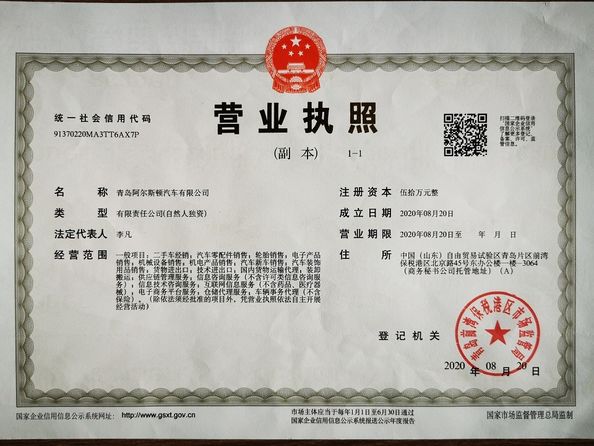
Qingdao Alston Motors suministra camiones hormigonera HOWO usados inspeccionados para entrega de concreto premezclado en el extranjero, con controles previos al envío que cubren el estado del tambor, la presión de la bomba hidráulica, el funcionamiento del reductor, la carga del chasis, el estado de los neumáticos, el sistema de frenos y la preparación del envío de exportación.
Para obtener más detalles sobre el flujo de trabajo de remodelación, los estándares de inspección y el soporte logístico internacional, visiteQingdao Alston Motors inspección de camiones mezcladores y apoyo a la exportación. Para confirmar la disponibilidad de 10 m³ o 12 m³, la configuración del chasis, el lado de dirección, el método de envío y el costo del puerto de destino, puedeSolicite una cotización de camión mezclador HOWO usado.
Preguntas frecuentes
¿Es mejor un mezclador HOWO usado de 10 m³ o 12 m³ para entregas en la ciudad?
Una mezcladora 6x4 de 10 m³ suele ser mejor para el reparto en la ciudad porque es más fácil de girar, más fácil de colocar cerca de las tolvas de bombeo y es menos probable que sobrecargue el chasis en rutas mixtas de vías públicas.
¿Se puede instalar un bidón de 12m³ en un chasis HOWO 6x4?
No se recomienda. Una carga completa de hormigón de 12 m³ puede pesar entre 28 y 29 toneladas sin contar el tambor y el equipo. Una batidora de 12 m³ normalmente debería utilizar un chasis de 8x4 para una distribución de carga más segura.
¿Cuál es el punto de inspección más importante en un camión hormigonera usado?
El sistema hidráulico y el estado del tambor son los más importantes. Los compradores deben verificar la presión de la bomba, el funcionamiento del motor, el ruido del reductor, las fugas de aceite, la rotación del tambor, el desgaste de las cuchillas y la acumulación de concreto endurecido antes del envío.
¿Por qué es importante el espesor del tambor en un camión hormigonera usado?
El espesor del tambor afecta la seguridad y la vida útil. Las paredes delgadas del tambor, las cuchillas espirales desgastadas y los residuos pesados de concreto pueden reducir la calidad de la mezcla, ralentizar la descarga y aumentar el riesgo de reparación después de que llega el camión.
¿Qué método de envío es adecuado para los camiones hormigonera HOWO usados?
Los camiones hormigonera HOWO usados generalmente se envían en buques Ro-Ro o buques a granel porque su altura y estructura del tambor no son adecuadas para contenedores estándar. Los compradores deben confirmar las fotografías de carga, la protección de la batería, el nivel de combustible y los documentos de exportación antes de la salida.
Escrito por:Equipo editorial de Alston Motors
Revisado por:Equipo técnico y de exportación
Compañía:Qingdao Alston Motors Co., Ltd.
Acerca del equipo editorial de Alston Motors:
El equipo editorial de Alston Motors comparte conocimientos prácticos sobre camiones HOWO, semirremolques, vehículos comerciales, automóviles usados y soluciones de exportación reacondicionados para África y otros mercados en desarrollo. El contenido se basa en la experiencia de la empresa en inspección de vehículos, reacondicionamiento, coordinación de exportaciones, soporte de repuestos y servicio al cliente para compradores extranjeros.

 ¡Su mensaje debe tener entre 20 y 3.000 caracteres!
 Spanish