40 pies vs. remolque semirremolque plataforma de 45 pies: ¿Cuál es mejor para el transporte de materiales de construcción?
Para la mayoría de los transportes de materiales de construcción, un semirremolque plataforma de 40 pies es la opción más completa y sólida porque combina espacio útil en la plataforma, acceso más fácil al sitio, menor peso en vacío y costos operativos predecibles. Un remolque de 45 pies solo es mejor cuando el acero largo, las tuberías, la madera, las cerchas o los componentes prefabricados requieren regularmente soporte adicional en la plataforma.
1. ¿Qué materiales de construcción y dimensiones de carga debe manejar el remolque?
La longitud correcta del remolque se determina por el material más largo transportado regularmente, no por una carga excepcional ocasional. Una plataforma de 40 pies proporciona aproximadamente 12,2 m de espacio en la plataforma, lo que es suficiente para la mayoría de los paquetes de barras de refuerzo, perfiles de acero, andamios, paquetes de madera, cemento en sacos, bloques paletizados, encofrados y contenedores estándar utilizados en proyectos de construcción.
Una plataforma de 45 pies mide aproximadamente 13,7 m y se vuelve práctica cuando la flota transporta repetidamente tuberías de 13-14 m, perfiles de techo, marcos fabricados, madera larga, componentes de servicios públicos o secciones prefabricadas. Antes de seleccionar el remolque, registre la longitud máxima de la carga, el ancho, el peso unitario, la frecuencia de carga, los requisitos de soporte y el método de descarga.
Un material que se extiende ligeramente más allá de una plataforma de 40 pies no justifica automáticamente la compra de una unidad de 45 pies. El comprador debe determinar primero si el voladizo es legal, si la carga permanece completamente soportada y si el remolque más largo se utilizará con la frecuencia suficiente para recuperar sus mayores costos de compra y operación.
2. ¿Cómo afecta el extra de 5 pies a la capacidad de carga y la flexibilidad de la carga?
Los 5 pies adicionales mejoran la utilización de la plataforma y el soporte de cargas largas, pero no crean una ventaja automática de carga útil. Una plataforma de 45 pies puede reducir la longitud de carga sin soporte, separar paquetes mixtos o proporcionar espacio adicional entre acero, madera, tuberías y materiales paletizados durante la carga.
| Requisito de carga típico |
Plataforma de 40 pies |
Plataforma de 45 pies |
| Cargas por debajo de 12 m |
Mejor opción general |
Longitud extra generalmente sin usar |
| Cargas alrededor de 12-13 m |
Adecuado después de verificar el voladizo |
Mejor soporte de plataforma completa |
| Cargas alrededor de 13-14 m |
Puede requerir voladizo legal |
Preferido para transporte repetido |
| Contenedores de 20 y 40 pies |
Altamente adecuado |
Adecuado con cerraduras correctas |
| Materiales mixtos cortos y largos |
Adecuado |
Más flexibilidad de carga |
| Sitios de construcción restringidos |
Más fácil de operar |
Requiere más espacio de giro |
La plataforma adicional solo es valiosa cuando crea una posición de carga utilizable o soporta un material largo recurrente. Los compradores que revisanopciones de remolques plataforma de 40 y 45 pies deben solicitar un dibujo dimensional que muestre la longitud libre de la plataforma, el cabezal, la caja de herramientas, la estructura trasera, los postes de sujeción, los cabrestantes y las ubicaciones de amarre.
3. ¿Un remolque plataforma de 45 pies transporta más peso o solo cargas más largas?
Un remolque plataforma de 45 pies normalmente transporta carga más larga en lugar de una carga útil legal más pesada. La carga útil real está controlada por el peso en vacío del remolque, la estructura de la viga, el espaciado de los travesaños, las clasificaciones de los ejes, la suspensión, los neumáticos, la carga del kingpin, la capacidad de frenado y las regulaciones de ejes del país de destino.
Un remolque de exportación típico de tres ejes puede usar tres ejes de 13 toneladas y neumáticos 12R22.5, pero las clasificaciones de esos componentes no deben sumarse y presentarse como la carga útil legal. La carga admisible también depende del tractor, el espaciado de los ejes, la clasificación de la carretera, el límite bruto de la combinación y la distribución del peso entre la quinta rueda y los ejes del remolque.
Para cargas concentradas como secciones prefabricadas, bobinas de acero, bases de maquinaria o perfiles de acero empaquetados, los compradores deben inspeccionar la posición de carga en lugar de confiar en las afirmaciones de capacidad total. Los travesaños reforzados deben ubicarse debajo de las zonas de carga previstas, y el proveedor debe proporcionar el peso en vacío del remolque, la carga útil diseñada, las dimensiones de la viga, la especificación del eje y el grosor del piso.
4. ¿Qué remolque es más fácil de maniobrar en sitios de construcción y carreteras estrechas?
Un remolque plataforma de 40 pies es claramente más fácil de invertir, girar, estacionar y posicionar en sitios de construcción restringidos. Su distancia entre ejes más corta y su menor balanceo trasero son útiles donde el remolque debe pasar puertas temporales, caminos de acceso sin terminar, pilas de materiales, canales de drenaje, grúas, andamios o edificios en construcción.
Un remolque de 45 pies funciona bien en autopistas, rutas industriales, puertos, grandes depósitos de acero y proyectos de infraestructura planificados con amplias zonas de carga. Se vuelve menos eficiente cuando los conductores deben realizar correcciones repetidas en patios pequeños o retroceder a través de entradas diseñadas para combinaciones más cortas.
Antes de la compra, mida la puerta más estrecha, la longitud de la bahía de carga, el círculo de giro disponible, el ancho del camino interno y la posición de descarga. Los compradores también deben verificar si los vehículos estacionados, las oficinas temporales del sitio, los materiales almacenados o las zanjas al borde de la carretera reducen el área de maniobra utilizable. Un remolque más largo que no puede llegar al punto de descarga no proporciona ninguna ventaja operativa.
5. ¿Cómo afectan la disposición de los ejes, la distribución del peso y la compatibilidad del tractor a la elección?
La longitud del remolque debe coincidir con la disposición de los ejes y la especificación del tractor antes de que comience la producción. Tres ejes son normalmente suficientes para materiales de construcción distribuidos, mientras que solo se deben considerar cuatro ejes cuando las cargas legales más altas, la carga concentrada, las reglas de la carretera y la estructura del remolque justifican el eje adicional.
La verificación técnica debe incluir el kingpin de 2 o 3,5 pulgadas, la altura de la quinta rueda, la capacidad del eje trasero del tractor, las conexiones de aire, el voltaje eléctrico, las cámaras de freno, la clasificación del tren de aterrizaje, el tipo de suspensión, el índice de carga de los neumáticos y el espaciado de los ejes. Una altura incorrecta de la quinta rueda puede hacer que la plataforma se incline, perturbar el equilibrio de frenado y crear una carga desigual en los ejes.
La posición de la carga es igualmente importante. Los materiales pesados colocados demasiado adelante pueden sobrecargar los ejes de tracción del tractor, mientras que la carga posicionada demasiado atrás puede sobrecargar el bogie del remolque y reducir la tracción de la quinta rueda. Los compradores que consideranopciones de camiones HOWO usados para transporte de remolques deben verificar el tractor y el remolque como una combinación completa.
6. ¿Qué longitud es mejor para acero, madera, tuberías, componentes prefabricados y contenedores?
Un remolque plataforma de 40 pies es la mejor opción para la logística general de construcción mixta, mientras que una unidad de 45 pies es mejor para el transporte repetido de materiales largos. Las barras de refuerzo estándar, los andamios, las placas de acero, el contrachapado, los materiales en sacos, los paquetes de madera, los encofrados y los contenedores de 20 o 40 pies suelen caber en una plataforma de 40 pies configurada correctamente.
Las tuberías largas, las láminas de techo, las cerchas, los marcos fabricados, los postes de servicios públicos, los componentes de puentes y los elementos prefabricados se benefician más de una plataforma de 45 pies cuando su longitud excede regularmente el área de soporte práctico de un remolque de 40 pies. El soporte continuo reduce la flexión, el movimiento del material y la presión en los puntos de amarre traseros.
Los compradores de contenedores deben confirmar la disposición de los twist locks en lugar de asumir que todas las plataformas pueden transportar todas las combinaciones. Una plataforma versátil puede usar hasta 12 twist locks para posiciones seleccionadas de 20 y 40 pies. Los materiales sueltos requieren equipos diferentes, que incluyen un cabezal, postes de sujeción, estacas laterales extraíbles, puntos de cadena, cabrestantes de correas y calzos colocados correctamente.
Lasguía de configuración de plataformas para materiales de construcción proporciona una orientación más amplia sobre ejes, vigas, suspensión, pisos y equipos de aseguramiento de carga. La decisión actual debe centrarse en si los 1.5 metros adicionales de plataforma resuelven un requisito de transporte regular.
7. ¿Qué voladizo de carga, aseguramiento y regulaciones de carreteras deben verificar los compradores?
Una carga más larga no debe transportarse hasta que se haya confirmado su soporte, aseguramiento, voladizo, marcado y legalidad en carretera. Los compradores deben verificar los límites locales de longitud total del vehículo, voladizo trasero y delantero, peso bruto de la combinación, carga por eje, banderas de advertencia, iluminación nocturna, permisos de carga anormal y requisitos de escolta.
Los diferentes materiales de construcción requieren diferentes métodos de sujeción. Las tuberías necesitan calzos, estacas, cuñas o cunas para evitar que rueden. Los paquetes de madera pueden asentarse después de la salida y aflojar las correas de sujeción. Los perfiles de acero necesitan cadenas o correas clasificadas, protección de bordes, material antideslizante y sujeción delantera, trasera y lateral.
Lasreglas de aseguramiento de carga de la FMCSA proporcionan una referencia técnica útil para los límites de carga de trabajo y las prácticas de aseguramiento específicas de productos básicos, incluidos los requisitos para madera, bobinas de metal, tuberías de concreto, contenedores y equipos pesados. Sin embargo, las regulaciones del país de destino siguen siendo las que controlan para los remolques importados y las operaciones nacionales.
Los puntos de aseguramiento deben inspeccionarse antes del envío. Los ganchos soldados, los anillos de amarre, los postes de sujeción, los cabrestantes, las cadenas, los tensores y las correas deben colocarse para la carga prevista en lugar de añadirse solo por apariencia visual.
8. ¿Cómo se comparan el precio de compra, el costo de envío y los gastos operativos a largo plazo?
Un remolque de 40 pies normalmente tiene un menor costo total de propiedad a menos que la plataforma de 45 pies produzca un valor de transporte medible. El remolque más largo requiere acero adicional, pisos, travesaños, cableado, pintura y refuerzo estructural, lo que puede aumentar el precio de compra y el peso en vacío.
| Artículo de costo y riesgo |
Qué debe confirmar el comprador |
| Precio de compra |
Diferencias de especificación, no solo cotización total |
| Peso en vacío |
Efecto en la carga útil legal y el consumo de combustible |
| Ejes y neumáticos |
Cantidad, marca, clasificación y costo de reemplazo |
| Envío |
Factibilidad de carga a granel, Ro-Ro, flat-rack o contenedor |
| Operación del sitio |
Espacio de giro, desgaste de neumáticos y carga de trabajo del conductor |
| Mantenimiento |
Frenos, suspensión, neumáticos, cableado y repuestos |
| Utilización |
Porcentaje de viajes que necesitan los 5 pies adicionales |
El costo de envío debe calcularse antes de finalizar el pedido. Un remolque más largo puede ocupar más espacio en la cubierta de un buque de carga a granel, requerir un manejo portuario diferente o ser menos conveniente para la carga en flat-rack o contenedor. Los compradores deben comparar el precio del remolque, la entrega terrestre, el manejo de exportación, el flete marítimo, los cargos de destino, los neumáticos de repuesto y los requisitos de ensamblaje.
La pregunta comercial es sencilla: si la mayoría de las cargas caben en 40 pies, comprar un remolque de 45 pies genera un costo permanente por una capacidad ocasional. Si los materiales largos se transportan cada semana y la plataforma adicional reduce los permisos especiales, el reposicionamiento de la carga o las cargas parciales, la opción de 45 pies se justifica comercialmente.
9. ¿Cuándo deben los compradores de construcción elegir un remolque semirremolque plataforma de 40 o 45 pies?
Los compradores de construcción deben elegir una plataforma de 40 pies para transporte de propósito general y una plataforma de 45 pies solo para un requisito documentado y recurrente de carga larga. La configuración de tres ejes de 40 pies es la opción predeterminada más sólida para materiales estándar, contenedores, distribución regional, sitios restringidos, caminos de acceso irregulares y flotas que buscan un mantenimiento sencillo.
Elija 45 pies cuando la operación transporte frecuentemente acero, tuberías, madera, cerchas, perfiles de techo, marcos fabricados o componentes prefabricados de 13-14 m. La ruta también debe proporcionar un espacio de giro adecuado, el tractor debe coincidir con la altura del remolque y el kingpin, y las regulaciones locales deben permitir la combinación y el voladizo propuestos.
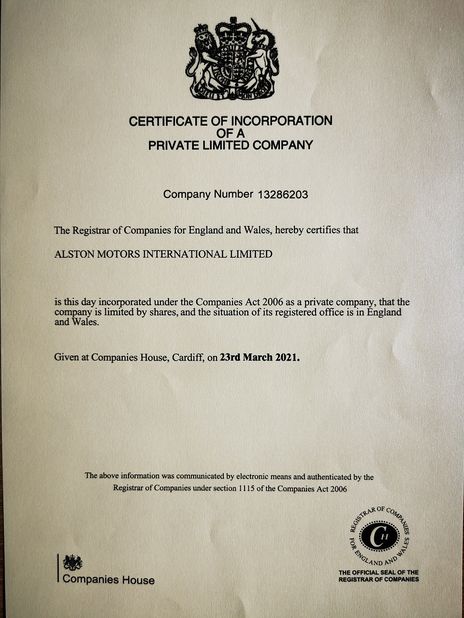
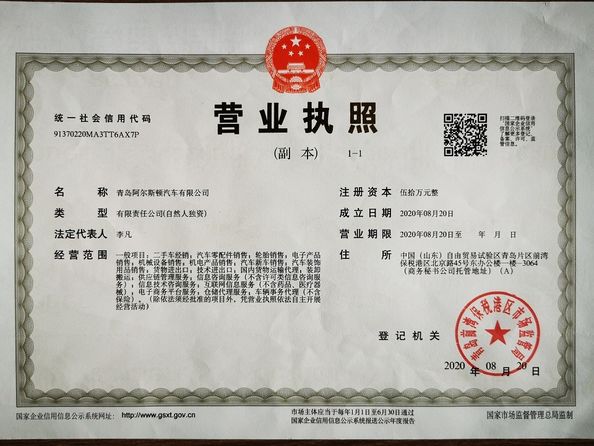
La respuesta práctica de Qingdao Alston Motors es clara: los 5 pies adicionales deben resolver un problema recurrente de soporte de carga o eficiencia de carga; no deben comprarse simplemente porque un remolque más largo parezca ofrecer más capacidad.
Antes de realizar el pedido, proporcione al proveedor la lista de carga, las dimensiones máximas del material, los pesos unitarios, los detalles del tractor, las condiciones de la carretera, el método de carga, el puerto de destino y los límites de eje aplicables. Los compradores puedensolicitar un dibujo y cotización de remolque a juego después de confirmar estos detalles operativos y revisarlos antecedentes de exportación de Qingdao Alston Motors como parte de la evaluación del proveedor.
Preguntas frecuentes
¿Es una plataforma de 40 pies lo suficientemente larga para materiales de construcción de 12 m?
Sí. Una plataforma de 40 pies tiene aproximadamente 12,2 m de largo y es generalmente adecuada para barras de refuerzo de 12 m, perfiles de acero, tuberías, andamios y madera, siempre que el cabezal y la estructura trasera no reduzcan la longitud útil de la plataforma requerida.
¿Tiene una plataforma de 45 pies automáticamente una mayor carga útil?
No. La longitud del remolque no determina la carga útil legal. La carga útil depende del peso en vacío, el diseño de la viga, las clasificaciones de los ejes, la capacidad de los neumáticos, la carga del kingpin, la distribución del peso y las regulaciones de carreteras locales.
¿Qué remolque es mejor para contenedores de 40 pies?
Una plataforma de 40 pies es normalmente la opción más eficiente. Confirme las posiciones de los twist locks, las dimensiones de la plataforma, la disposición de los ejes y el peso del contenedor antes de realizar el pedido.
¿Es un remolque de 45 pies más difícil de invertir?
Sí. Su distancia entre ejes más larga y su mayor balanceo trasero requieren más espacio y un posicionamiento más cuidadoso, especialmente en patios de construcción, calles estrechas y caminos de acceso temporales.
¿Debería un remolque de 45 pies tener cuatro ejes?
No automáticamente. Tres ejes aún pueden ser apropiados. Un cuarto eje se justifica solo cuando la carga útil, los límites de eje legales, el diseño estructural y las condiciones de la ruta lo requieren.
¿Qué longitud es mejor para tuberías largas y perfiles de acero?
Una plataforma de 45 pies es mejor cuando se transportan materiales de 13-14 m con frecuencia, ya que proporciona un soporte más continuo y puede reducir el voladizo excesivo.
¿Qué se debe inspeccionar antes del envío?
Verifique las dimensiones, las vigas principales, los travesaños, las soldaduras, el piso, los ejes, la suspensión, los frenos, los neumáticos, el kingpin, el tren de aterrizaje, la iluminación, los puntos de amarre, los twist locks, la placa de identificación y la alineación.
Escrito por: Bruce Li, Consultor de Exportación
Revisado por: Equipo de Exportación y Técnico de Alston Motors
Empresa: Qingdao Alston Motors Co., Ltd

 ¡Su mensaje debe tener entre 20 y 3.000 caracteres!
 Spanish