Remolque para transporte de arena, grava y materiales de construcción
Un remolque de descarga es adecuado para el transporte de arena, grava, suelo, agregados y materiales de construcción de 40 a 80 toneladas cuando los compradores coinciden con la carga útil, el diseño del eje, el grosor del cuerpo, el sistema hidráulico, las reglas de carretera,y potencia del tractor antes de la compra.
1¿Qué es un camión de basura?
Un remolque de descarga es un semirremolque con un cuerpo de inclinación, cilindro hidráulico, chasis reforzado, ejes, suspensión, tren de aterrizaje, clavija y estructura de descarga trasera o lateral.Los modelos de exportación comunes utilizan ejes 3 ̇5, con cargas prácticas que generalmente oscilan entre 40 y 80 toneladas.
A diferencia de un remolque de carga normal, un remolque de descarga descarga material suelto al levantar el cuerpo mediante energía hidráulica.especialmente para patios de arena, canteras, proyectos de carreteras y depósitos de materiales de construcción.
Para los contratistas africanos, unremolque de vertederos para el transporte de materiales de construcciónLa carga útil final debe seguir las reglas locales de carga en el eje, los permisos de carretera, los límites del puente y las condiciones del sitio.
2Principales aplicaciones de los remolques de basura
Los remolques de basura se utilizan principalmente para arena, grava, piedra triturada, laterita, suelo, carbón, material minero, desechos de demolición y desechos de construcción.y República Democrática del Congo, son comunes en proyectos de carreteras, sitios de viviendas, carreteras de canteras y rutas de materiales a granel.
La gran demanda de infraestructuras apoya el uso a largo plazo.Perspectivas económicas africanas para 2018La Comisión estima que las necesidades de infraestructuras de África ascienden a 130-170 000 millones de dólares al año, con una brecha de financiación de unos 68-108 000 millones de dólares, incluidos los transportes, la energía, el agua y otras infraestructuras productivas. (Banco de Desarrollo de África)
La urbanización también aumenta la demanda de transporte de materiales de construcción.y casi 7 de cada 10 personas vivirán en zonas urbanas para 2050. (Banco Mundial)
3Trailer de basura contra camión de basura
Un camión descargable combina cabina, motor, chasis y carrocería de descarga en un vehículo, mientras que un remolque de descarga funciona con un tractor separado.mientras que una combinación de remolques pesados puede transportar 40~80 toneladas cuando las regulaciones lo permiten..
Los camiones de descarga son generalmente mejores para trabajos de corta distancia, carreteras estrechas, giros frecuentes y sitios de trabajo pequeños.y transporte de materiales de gran volumen donde un tractor puede mover más toneladas por viaje.
Para los compradores, la decisión debe basarse en el tonelaje diario, la distancia de la ruta, el ancho de la carretera, el radio de giro, el método de carga y el espacio de descarga.Un camión basura puede ser más fácilSi la ruta es larga y estable, un remolque puede reducir el coste por tonelada.
4Opciones de descarga trasera, descarga lateral y remolque de inclinación
Los remolques traseros de descarga se descargan desde la parte trasera y son la opción más común para arena, grava, suelo y piedra triturada.mientras que los modelos de 4 o 5 ejes se adaptan a rutas más pesadas.
Los remolques de descarga lateral descargan desde un lado, lo que puede ser útil cuando el espacio trasero es limitado.suficiente espacio libre lateral, y un funcionamiento cuidadoso dentro de un radio de 3 a 5 metros de los trabajadores o máquinas.
Para muchos proyectos de carreteras y canteras africanas, el uso de un remolque de inclinación es un término más amplio que abarca el vertedero trasero, el vertedero lateral y los diseños especiales de inclinación.Los remolques traseros siguen siendo populares porque la estructura es más simple, las piezas hidráulicas son más fáciles de reparar y los conductores están más familiarizados con la descarga trasera.
5Inspección de cilindros hidráulicos y sistemas de inclinación
El cilindro hidráulico es la parte central de trabajo de un remolque. Los compradores deben comprobar las etapas de elevación, la superficie del cilindro, el estado del sello, la fuga de aceite, la calidad de la manguera, el bloqueo de seguridad y la estabilidad de elevación.El ensayo de caída debe repetirse al menos 2 o 3 veces antes del envío..
El ángulo de inclinación debe ser lo suficientemente alto para la arena húmeda, la arcilla, la laterita y el suelo pegajoso.obligar a los trabajadores o cargadores a limpiar el remolque manualmente después de la descarga.
El tanque de aceite hidráulico, la válvula de control, la línea de retorno, la conexión de la toma de corriente, la manguera de presión y los pines de montaje también deben inspeccionarse.Qingdao Alston Motors recomienda probar el remolque vacío y parcialmente cargado cuando sea posible, porque algunas fallas hidráulicas sólo aparecen bajo presión.
6. espesor del cuerpo, eje y selección de la suspensión
Para la arena seca o el suelo ligero, un piso de 4 mm ≈ 5 mm puede ser suficiente, mientras que la grava, la piedra triturada y el material de cantera generalmente necesitan un piso de 6 mm ≈ 8 mm.El espesor de la pared lateral es comúnmente de alrededor de 3 mm ∼ 6 mm dependiendo del nivel de impacto.
El número de ejes afecta la carga legal, el desgaste de los neumáticos, la fuerza de frenado y el costo de mantenimiento.Muchos modelos de exportación utilizan ejes de 13 toneladas, neumáticos 12R22.5 y suspensión mecánica.
La suspensión mecánica es a menudo preferida en los mercados africanos porque es fuerte, simple y más fácil de reparar con herramientas de taller locales.Pero requiere carreteras más limpias., un mejor mantenimiento y un servicio más especializado cuando las válvulas, los airbags o las líneas de aire fallan.
Un buen remolque también debe tener un haz principal reforzado, miembros transversales fuertes, tren de aterrizaje confiable, clavija de 2 pulgadas o 3,5 pulgadas, sistema de frenos de doble línea y sistema eléctrico de 24 V.Estas partes afectan la estabilidad cuando el remolque transporta 40 toneladas o más en carreteras irregulares.
7. Factores de precios de los camiones de descarga
El precio del remolque dependerá del número de eje, el diseño de la carga útil, el grosor del acero, la marca del cilindro hidráulico, la marca de los neumáticos, la válvula de freno, el tipo de suspensión, el tren de aterrizaje, el proceso de pintura y el nivel de personalización.Un remolque de 5 ejes de 80 toneladas cuesta más que un remolque de 3 ejes de 50 toneladas porque utiliza más acero.
La especificación del acero es uno de los mayores factores de costo: un piso más grueso, una pared lateral reforzada, una viga principal más fuerte y una placa resistente al desgaste aumentan el costo de compra, pero pueden reducir el agrietamiento.deformación, y reparación de soldadura después de 6 a 12 meses de trabajos pesados de cantera o construcción.
Los compradores deben comparar el coste total de operación, no sólo el precio de fábrica. un remolque más barato puede ahorrar USD 1,000 ₹ 2,000 en la compra, pero los cilindros débiles, las placas del piso delgadas, la soldadura deficiente,o neumáticos de baja calidad pueden crear tiempo de inactividad, el coste de reparación y el riesgo de seguridad en un plazo de 3 a 6 meses.
En el caso de las flotas mixtas, los compradores pueden comparar los remolques de descargaSemiremolques de cama planaySemiremolques de lecho bajoLas carretillas planas se adaptan a los contenedores y a la carga de acero, las carretillas bajas a las máquinas, mientras que los remolques de descarga son mejores para materiales sueltos como arena, grava y suelo.
8Exportación y envío desde China
La preparación para la exportación debe incluir la confirmación de dimensiones, la inspección de ejes, la comprobación de neumáticos, las pruebas de frenos, las pruebas hidráulicas, la inspección de soldadura, la inspección de pintura, la comprobación de las clavijas,ensayo del tren de aterrizajeLos compradores deben solicitar por lo menos 10 ¢ 15 fotos detalladas y 1 ¢ 2 videos de propinas antes del envío.
La mayoría de los remolques de vertedero se envían por carga a granel, Ro-Ro o métodos en contenedores dependiendo del tamaño, la ruta y la estructura del remolque.Algunos remolques pueden apilarse o desmontarse parcialmente para reducir los costos de transporte, pero los depósitos pesados necesitan un soporte adecuado para evitar la deformación durante el transporte marítimo.
Para las exportaciones con destino a África, Qingdao Alston Motors aconseja a los compradores que confirmen las reglas de carga del eje de destino, la compatibilidad del tractor, el estado de las carreteras y la disponibilidad de repuestos antes de confirmar el pedido.Un diseño de 80 toneladas puede ser útil para las rutas de canteras, pero puede no ser legal o práctico en todas las carreteras públicas.
Un remolque de descarga pesado debe coincidir con unaCamión tractor HOWOPara pistas cargadas, sitios de trabajo fangosos y transporte de larga distancia, muchos compradores eligen unidades de tractor de 371HP ¥ 430HP.
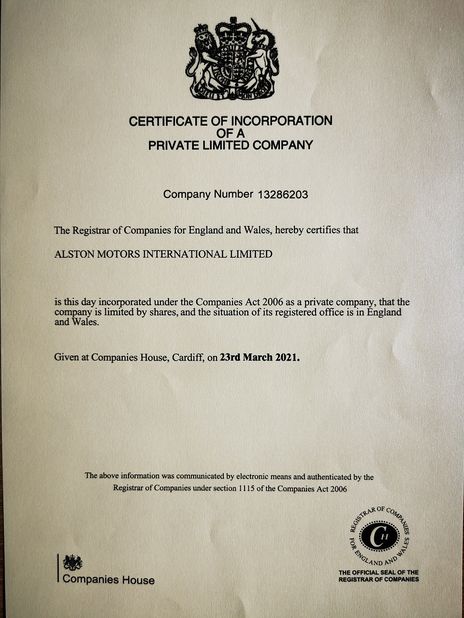
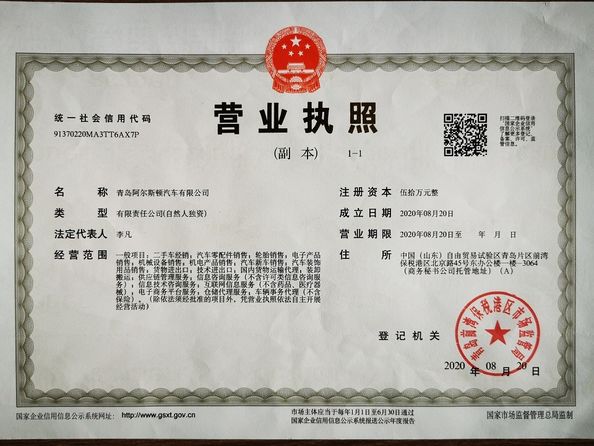
Antes de realizar un pedido, los compradores pueden revisar los antecedentes del exportador, la gama de productos y la experiencia de servicio en el mercado.Página sobre nosotrosLa exportación de remolques incluye al menos 4 pasos vinculados: confirmación del diseño, inspección de la producción, coordinación del envío y soporte de piezas postventa.
9. Preguntas frecuentes sobre los remolques de basura
P1: ¿Qué materiales puede transportar?
Arena, grava, tierra, laterita, carbón, piedra y desechos de construcción.
P2: ¿Qué carga útil es común?
Las cargas útiles comunes para la exportación oscilan entre 40 y 80 toneladas.
P3: ¿Es mejor el vertedero trasero?
El vertedero trasero es más simple y fácil de mantener en la mayoría de los mercados.
P4: ¿Qué espesor de suelo es adecuado?
Utilizar suelo de 6 mm ∼ 8 mm para grava, piedra y material de cantera.
P5: Suspensión mecánica o neumática?
La suspensión mecánica es mejor para las carreteras de canteras africanas.
P6: ¿Puede funcionar con los tractores HOWO?
Sí, los tractores HOWO de 371HP ¥430HP se combinan comúnmente.
P7: ¿Cómo se puede reducir el rollover?
Descargar en terreno plano y evitar inclinarse en pendientes laterales fuertes.
P8: ¿Cómo se envía desde China?
Por carga a granel, Ro-Ro, o envío en contenedores, dependiendo del tamaño.
Escrito por: Equipo editorial de Alston Motors
Revisado por: Equipo técnico y de exportación
Empresa: Qingdao Alston Motors Co., Ltd.
Sobre el equipo editorial de Alston Motors:
El equipo editorial de Alston Motors comparte ideas prácticas sobre camiones HOWO renovados, semirremolques, vehículos comerciales, autos usados y soluciones de exportación para África y otros mercados en desarrollo.El contenido se basa en la experiencia de la empresa en la inspección de vehículos, renovación, coordinación de exportaciones, soporte de repuestos y servicio al cliente para compradores extranjeros.

 ¡Su mensaje debe tener entre 20 y 3.000 caracteres!
 Spanish