¿Puede un semirremolque de plataforma transportar contenedores de 20 y 40 pies de forma segura?
Sí, un semirremolque de plataforma para servicio pesado puede transportar con seguridad un contenedor de 40 pies, dos contenedores de 20 pies o un contenedor de 20 pies centrado cuando el remolque tiene el diseño correcto de bloqueo giratorio, una viga principal fuerte, una clasificación de eje adecuada y una distribución de carga legal. Para el transporte de contenedores mixtos, una plataforma de tres ejes con un diseño de bloqueo por giro de 12 posiciones suele ser la opción más práctica.
1. Viabilidad de un contenedor doble: ¿Puede un semirremolque de plataforma transportar con seguridad cargas de 20 y 40 pies?
Un semirremolque de plataforma puede manejar contenedores de 20 y 40 pies de manera segura cuando la longitud de la plataforma, el espacio del bloqueo giratorio, la disposición del eje y la resistencia del chasis están diseñados para el transporte de contenedores ISO. Esta es la razón por la que muchos operadores portuarios, de depósitos interiores y logísticos regionales prefieren plataformas para rutas de carga mixta.
En el transporte diario de contenedores, es posible que un remolque necesite transportar un contenedor de 40 pies en un viaje y dos contenedores de 20 pies en el siguiente. Una plataforma plana al ras brinda a los operadores más flexibilidad de carga que un chasis solo para contenedores porque también puede transportar acero, madera, maquinaria, carga paletizada y materiales de construcción a granel en rutas de regreso.
La cuestión clave no es sólo la longitud del remolque. Los compradores deben confirmar las posiciones de las cerraduras, la resistencia de la viga principal, la clasificación de la suspensión y los límites legales de carga por eje antes de cargar contenedores pesados. Un remolque que sólo parece una plataforma de 40 pies puede no ser adecuado para dos contenedores de 20 pies si faltan los puntos de bloqueo del medio o están mal reforzados.
2. Configuraciones de bloqueo por giro: por qué 12 bloqueos de posicionamiento son esenciales para el transporte mixto
Un diseño de bloqueo giratorio de 12 posiciones es la configuración preferida para remolques de plataforma que necesitan transportar diferentes combinaciones de contenedores. Le proporciona al remolque los puntos de sujeción correctos para un contenedor de 40 pies, dos contenedores de 20 pies o un contenedor de 20 pies cargado cerca del centro de la plataforma.
Un remolque básico con solo 4 candados en las esquinas puede asegurar un contenedor de 40 pies, pero no puede asegurar adecuadamente dos contenedores de 20 pies porque las esquinas internas de los contenedores también necesitan puntos de bloqueo fijos. Sin los bloqueos intermedios, la carga puede desplazarse durante el frenado, el giro, el movimiento en el patio de babor o la conducción en caminos difíciles.
Para los compradores de exportación, los cierres giratorios retráctiles de acero forjado suelen ser una mejor opción que las piezas fundidas livianas. Cada cerradura debe girar suavemente, quedar al ras cuando no esté en uso y no mostrar grietas alrededor de la placa base soldada. Antes de comprar unSemirremolque de plataforma usado para transporte de contenedores, el comprador debe solicitar fotografías o vídeos en primer plano de todas las posiciones de las cerraduras.
Configuración de bloqueo de contenedor de semirremolque de plataforma plana
| Diseño del contenedor |
Posiciones de bloqueo activo |
Diseño recomendado del tráiler |
Uso principal |
| 1 contenedor de 40 pies |
4 cerraduras |
Posiciones de las esquinas delantera y trasera |
Transporte estándar de contenedores portuarios y terrestres |
| 2 contenedores de 20 pies |
8 cerraduras |
Posiciones delantera, trasera y media |
Entrega de dos contenedores en un solo viaje |
| 1 contenedor centrado de 20 pies |
4 cerraduras |
Posiciones medias/intermedias |
Contenedor individual pesado de 20 pies con mejor equilibrio de ejes |
3. Equilibrio de carga por eje: cómo distribuir los pesos de contenedores simples o dobles de 20 pies
El equilibrio correcto de la carga por eje es uno de los factores de seguridad más importantes al transportar contenedores de 20 pies en un semirremolque de plataforma de 40 pies. Normalmente, un solo contenedor pesado de 20 pies debe colocarse cerca del área de bloqueo central en lugar de colocarse en el extremo trasero.
Un contenedor de 20 pies puede ser mucho más pesado de lo que parece, especialmente cuando transporta minerales, tejas, piezas de maquinaria, baterías, chatarra o carga industrial densa. Si esta carga se coloca demasiado atrás, puede sobrecargar el grupo del eje trasero, aumentar el desgaste de los neumáticos, reducir la estabilidad de la dirección y crear un desequilibrio en el frenado.
Para dos contenedores de 20 pies, la carga total debe comprobarse cuidadosamente antes del envío. Incluso si la estructura del remolque puede transportar la carga, el peso combinado del tractor, el remolque, el contenedor y la carga puede exceder los límites de la carretera local. Las plataformas de tres ejes con ejes de 13 o 16 toneladas se seleccionan comúnmente porque distribuyen el peso de manera más uniforme que los diseños más livianos de eje tándem.
4. Integridad estructural del chasis: prevención de la flexión de la te principal bajo cargas concentradas
La viga principal debe ser lo suficientemente fuerte como para resistir la flexión causada por contenedores pesados de 20 pies y cargas de carga mixtas. Un contenedor de 40 pies generalmente distribuye su peso en un área más larga, mientras que un contenedor pesado de 20 pies puede crear una tensión más concentrada cerca del centro del remolque.
Para uso de exportación de servicio pesado, muchos compradores eligen acero al manganeso Q345B o acero similar de alta resistencia para la viga principal. Una especificación práctica es una altura de viga de 500 mm, una placa superior de alrededor de 14 mm, una placa inferior de 16 mm y un espesor de alma de 8 mm, dependiendo de la carga útil del comprador y las condiciones de la carretera.
Los remolques usados necesitan una inspección especial porque el repintado puede ocultar grietas por fatiga o daños antiguos por sobrecarga. Los compradores deben verificar la línea central de la viga, los travesaños, los soportes de suspensión, el área del tren de aterrizaje y las placas base de bloqueo por torsión. La flacidez visible, la altura desigual de la plataforma, las soldaduras irregulares o las placas de refuerzo agregadas pueden indicar que el remolque estaba sobrecargado antes de la remodelación.
5. Remolque de plataforma versus remolque esqueleto: elegir la opción más rentable para su flota
Un remolque esqueleto es eficiente para el transporte puro de contenedores, mientras que un semirremolque de plataforma es más flexible para flotas que también transportan carga fraccionada. La mejor elección depende de si el operador desea el peso de tara más bajo o más oportunidades de carga de retorno.
Los remolques esqueleto suelen pesar menos y son más fáciles de operar en las rutas de contenedores de puerto a puerto. Son adecuados cuando una flota sólo mueve contenedores entre terminales, almacenes y depósitos interiores. Sin embargo, no pueden transportar fácilmente madera, cemento en sacos, bobinas de acero, maquinaria o carga de construcción en general.
Los remolques de plataforma cuestan un poco más en algunas especificaciones, pero pueden soportar más tipos de carga. Esto es importante en África, el Sudeste Asiático, Medio Oriente y otros mercados donde un camión puede entregar un contenedor en una dirección y regresar con carga a granel o de proyecto. Para los compradores que comparan tipos de remolques, nuestroGuía de selección de semirremolques de plataforma.puede ayudar a encontrar el chasis adecuado para aplicaciones de contenedores, construcción y logística.
6. Normas viales y cumplimiento legal: cómo navegar los límites de peso bruto vehicular a nivel internacional
El transporte seguro de contenedores debe respetar el peso bruto vehicular, la carga por eje, la fórmula del puente y las normas de transporte por carretera locales. Aún así, es posible que sea ilegal operar un remolque que sea estructuralmente fuerte si la carga combinada excede el peso permitido para la configuración de camión-remolque.
En muchos corredores de transporte, los límites legales dependen del número de ejes, el espacio entre ejes, la clasificación del tractor, la suspensión del remolque y si la ruta incluye puentes o caminos restringidos. Por ejemplo, algunos corredores de África oriental y meridional permiten pesos brutos más elevados sólo en configuraciones de ejes específicas. Los compradores deben confirmar las últimas reglas con un agente de despacho local, una autoridad de transporte o un oficial de cumplimiento de la flota antes de mover dos contenedores pesados de 20 pies.
Las normas internacionales como ISO 668 ayudan a definir las dimensiones y clasificaciones de los contenedores, pero no reemplazan las normas viales locales. Antes del envío, los operadores deben verificar el peso bruto del contenedor, el plan de carga, la capacidad del motor primario, la clasificación del eje del remolque, el índice de carga de los neumáticos y las restricciones de ruta. Esto es especialmente importante para cargas densas como minerales, tejas, productos metálicos o equipos industriales.
7. Análisis del retorno de la inversión operativo: maximizar el beneficio por viaje con plataformas planas multifuncionales
Un remolque de plataforma multifuncional puede mejorar la rentabilidad del viaje cuando ayuda a la flota a reducir los viajes de regreso vacíos y aceptar carga tanto en contenedores como a granel. El beneficio financiero proviene de una mejor utilización, no simplemente de cargar más peso en un remolque.
Por ejemplo, una empresa de logística puede utilizar una plataforma para mover un contenedor de 40 pies desde el puerto al almacén y luego regresar con acero, maquinaria, madera o carga en bolsas. En otra ruta, el mismo remolque puede transportar dos contenedores de 20 pies si el peso combinado se mantiene dentro de los límites legales. Esta flexibilidad mejora la planificación de rutas y reduce el tiempo de inactividad del remolque.
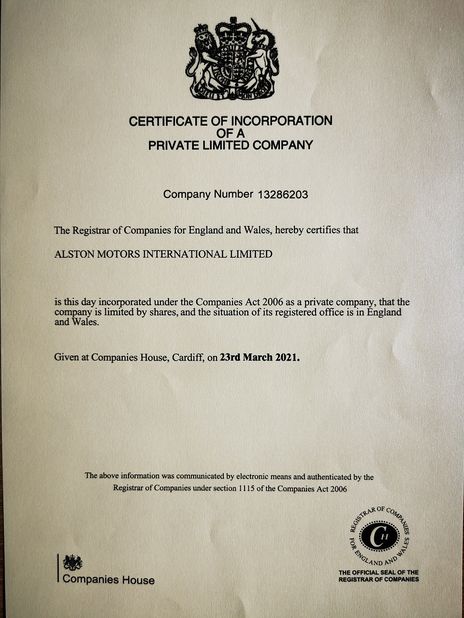
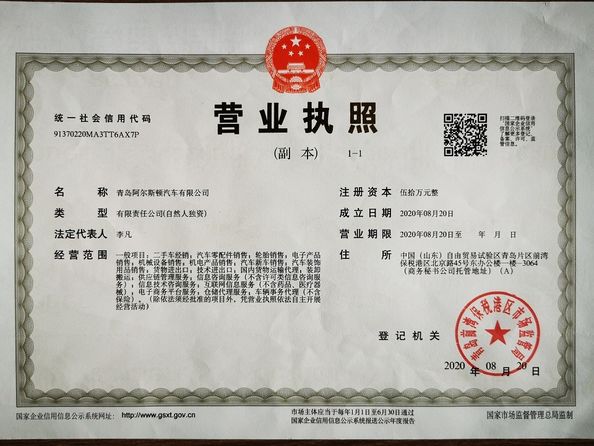
Qingdao Alston Motors ayuda a los compradores extranjeros a confirmar el diseño del bloqueo giratorio, el grosor de la viga principal, la clasificación del eje, el sistema de frenos, el estado de los neumáticos, las fotografías de carga y los documentos de exportación antes de enviar semirremolques de plataforma para transporte de contenedores y carga general. Este práctico proceso de inspección ayuda a los compradores a evitar remolques que no coinciden, diseños de cerraduras débiles y riesgos de carga evitables.
Para los compradores de flotas que comparan camiones y remolques juntos,soluciones de exportación de semirremolquesTambién puede respaldar la planificación de motores primarios, plataformas, plataformas bajas, camiones cisterna de combustible y remolques de volcado según el país de destino, el tipo de carga, el lado de dirección, el puerto y el método de envío.
8. Guía de adquisiciones B2B: especificaciones técnicas cruciales que se deben inspeccionar antes de comprar
Una inspección adecuada previa a la compra debe cubrir la viga principal, los bloqueos giratorios, el grupo de ejes, el sistema de frenos, la suspensión, los neumáticos, el tren de aterrizaje, el estado de la plataforma y la preparación para la exportación. Para el transporte de contenedores, el remolque no debe juzgarse únicamente por el estado de la pintura.
Los compradores deben solicitar fotos o videos de la parte inferior, el centro de la viga, la soldadura del travesaño, las placas base de la cerradura, la cámara de freno, el tanque de aire, la placa de identificación del eje, el flanco del neumático y el área del parachoques trasero. Si el remolque es reacondicionado, pregunte qué se reparó, qué piezas se reemplazaron y si el remolque fue cargado de prueba antes del envío.
Lista de verificación técnica previa a la compra
| Artículo de inspección |
Cheque recomendado |
Riesgo del comprador si se ignora |
| Te principal |
Comprobar altura, espesor de placa, rectitud y refuerzo. |
Flexión del haz, mala alineación, fatiga temprana |
| Cerraduras giratorias |
Confirme el diseño de 12 posiciones y cerraduras retráctiles forjadas |
Aseguramiento inseguro de contenedores y opciones de carga limitadas |
| Ejes |
Elija 3 ejes con una clasificación adecuada de 13 o 16 toneladas |
Penalizaciones por sobrecarga y fallos de neumáticos. |
| sistema de frenado |
Verifique los frenos neumáticos de doble línea, la válvula de relé y las cámaras. |
Larga distancia de frenado y riesgo para la seguridad vial |
| Suspensión |
Inspeccionar ballestas, suspensiones, pasadores y casquillos. |
Distribución desigual de carga y grietas en la suspensión. |
| Llantas |
Confirme el tamaño, la profundidad de la banda de rodadura, la edad y el índice de carga. |
Explosiones bajo cargas pesadas de contenedores |
| Tren de aterrizaje |
Función de elevación de prueba bajo carga |
Retrasos en la carga del puerto y falla operativa |
Para una adquisición más fluida, los compradores puedenPóngase en contacto con el equipo de exportación de remolques de Qingdao Alston Motorscon tipo de contenedor, peso de la carga, puerto de destino, estado de la carretera, marca de eje preferida y método de envío. La información clara ayuda a confirmar si una plataforma, un remolque esqueleto u otro semirremolque es la mejor opción.
Preguntas frecuentes
¿Puedo transportar un solo contenedor de 20 pies en la parte trasera de un remolque de plataforma de 40 pies?
Un solo contenedor pesado de 20 pies no debe transportarse en el extremo trasero de una plataforma de 40 pies a menos que el remolque y las regulaciones locales permitan específicamente esa posición de carga. La carga central suele ser más segura porque mejora el equilibrio del eje, la estabilidad de la dirección, el control de frenado y el desgaste de los neumáticos.
¿Qué sucede si uso menos de 12 cierres giratorios para cargas de contenedores mixtos?
El uso de menos posiciones de bloqueo puede limitar el remolque a solo ciertos diseños de contenedores. Si faltan los puntos de bloqueo intermedios, es posible que dos contenedores de 20 pies no estén asegurados correctamente, lo que aumenta el riesgo de movimiento durante el frenado, los giros y el transporte por carreteras en mal estado.
¿Por qué los contenedores dobles de 20 pies ejercen más presión sobre un contenedor de plataforma que un contenedor de 40 pies?
Dos contenedores de 20 pies pueden crear tensión concentrada en varios puntos de carga más cortos, especialmente cerca del centro de la viga principal. Un contenedor de 40 pies normalmente distribuye su carga en un área de bastidor más larga, mientras que una carga densa de 20 pies puede crear una presión de flexión más fuerte.
¿Es necesario un remolque de plataforma de tres ejes para el transporte de dos contenedores?
Se recomienda encarecidamente una plataforma de tres ejes para la mayoría del transporte de contenedores dobles porque ofrece una mejor distribución de la carga y una mayor capacidad de carga útil que un remolque de eje tándem. La decisión final aún debería depender del peso de la carga, la capacidad del tractor, las normas de circulación y la ruta de operación.
¿Cómo puedo saber si una viga de remolque de plataforma usada tiene fatiga estructural?
Revise la parte inferior de la Te principal, especialmente cerca de la sección central, los soportes de suspensión y las bases con cierre giratorio. Las señales de advertencia incluyen hundimiento, altura desigual de la plataforma, soldaduras agrietadas, placas de reparación rugosas, corrosión alrededor de las juntas estructurales o travesaños desalineados.
¿Puede un remolque de plataforma transportar contenedores sin cierres giratorios si están sujetos con correas?
No. Las correas o cadenas no son un sustituto adecuado de los cierres giratorios cuando se transportan contenedores ISO. Los cierres giratorios están diseñados para asegurar las esquinas del contenedor y resistir el movimiento durante el frenado, el giro, la vibración y las condiciones de emergencia del camino.
Escrito por: Equipo editorial de Alston Motors
Revisado por: Equipo técnico y de exportación
Empresa: Qingdao Alston Motors Co., Ltd.
Acerca del equipo editorial de Alston Motors:
El equipo editorial de Alston Motors comparte conocimientos prácticos sobre camiones HOWO, semirremolques, vehículos comerciales, automóviles usados y soluciones de exportación reacondicionados para África y otros mercados en desarrollo. El contenido se basa en la experiencia de la empresa en inspección de vehículos, reacondicionamiento, coordinación de exportaciones, soporte de repuestos y servicio al cliente para compradores extranjeros.

 ¡Su mensaje debe tener entre 20 y 3.000 caracteres!
 Spanish