¿Cómo elegir un camión tanque de combustible HOWO usado para la entrega de diesel a las gasolineras?
Para elegir un camión dependiente de tanques de combustible HOWO usado para la entrega de diesel a las estaciones de servicio, debe coincidir la capacidad del tanque con la rotación de la estación local, inspeccionar el estado del tren motriz bajo cargas térmicas realistas,y verificar la compatibilidad de la recuperación de vapor aguas abajoLa prioridad dada a las características legales de seguridad y al cumplimiento de las normas regionales de emisiones protege su capital y garantiza un rendimiento óptimo de la inversión.
1Selección de la capacidad y del chasis: ajuste del tamaño del camión con el volumen de negocios de las gasolineras
La selección de la configuración adecuada del chasis evita una falla mecánica prematura causada por la sobrecarga durante la distribución de diesel urbana o de larga distancia.Para las gasolineras minoristas con almacenamiento subterráneo limitado (e.g., 30.000 litros en total), un chasis HOWO 6x4 con un tanque de 20.000 litros proporciona el equilibrio óptimo, evitando múltiples viajes diarios mientras navega por entradas estrechas de la estación de forma segura.
La elección de un chasis 4x2 para cargas superiores a 12.000 litros acelera el desgaste del eje trasero y viola los límites legales de peso bruto del vehículo.Los compradores deben hacer referencia cruzada a las regulaciones locales de carga en ejes antes de finalizar una compra.Si no se evalúa correctamente este parámetro, las multas son severas en las estaciones de pesaje de las carreteras y la degradación de los neumáticos es rápida.camiones cisterna de combustible HOWO renovados, siempre dar prioridad a las posiciones estructurales del eje sobre las dimensiones arbitrarias del tanque.
2El HOWO Powertrain Check: Evaluación de motores y transmisiones Weichai
Un camión de combustible HOWO usado confiable se basa en un motor Weichai bien mantenido que presenta un mínimo de impacto y una presión de aceite constante a temperaturas de funcionamiento estándar.Cuando se pruebe un motor HOWO de 371 o 336 CV usadoLos compradores deben hacer funcionar el camión durante 20 minutos hasta que alcance los 80°C, y luego quitar con seguridad la tapa del llenador de aceite.
La caja de cambios manual de 10 velocidades HW19710 debe cambiar suavemente en rangos altos y bajos; los sonidos de molienda a menudo significan fallas de sincronización.500 para sus gastos inmediatos de renovación.Para obtener un análisis más detallado de la solución de problemas mecánicos, consulte los pasos detallados en nuestro manual deGuía de compra de vehículos comerciales usados.
3Integridad del tanque y material: inspecciones de acero al carbono y aleación de aluminio
El transporte diesel exige un tanque libre de fatiga estructural interna y reparaciones de soldadura, independientemente de si se elige acero al carbono o aleación de aluminio.Mientras que los tanques de acero al carbono (Q235B) son muy rentables y fáciles de reparar en los mercados en desarrolloAsegúrese de que el espesor de la cáscara sea de al menos 5 mm para que el acero resista la tensión dinámica continua del líquido.
Los compradores deben abrir la alcantarilla para inspeccionar los deflectores internos con una linterna de alta potencia.riesgo de vuelco del vehículo durante las entregas urgentesObserve con atención las soldaduras de las esquinas donde los deflectores se encuentran con la carcasa del tanque principal, ya que estos puntos experimentan la mayor tensión.
Comparación del material del tanque para el suministro de diesel
| Características |
Acero de carbono (Q235B) |
Leguras de aluminio (5083) |
| espesor estándar |
5.0 mm 6.0 mm |
6.0 mm 8.0 mm |
| Perfil de peso |
Más pesado (menor eficiencia de carga útil) |
Más ligero (carga útil diésel más alta) |
| Dificultad para reparar |
Bajo (saldadura estándar en cualquier lugar) |
Alto (requiere soldadura TIG especializada) |
| Duración media de la vida |
8 ∙ 12 años (Sé propenso a la oxidación interna) |
15-20 años (altamente resistente a la corrosión) |
4Compatibilidad de las gasolineras: verificación de bombas de combustible, medidores y sistemas de recuperación de vapor
Las estaciones de servicio modernas requieren estrictamente camiones de combustible equipados con válvulas de carga de fondo y sistemas de recuperación de vapor para evitar la ventilación atmosférica peligrosa.Se prohíbe que los camiones tradicionales de carga superior entren en las estaciones de servicio de la ciudad debido a las estrictas regulaciones de seguridad ambientalUn HOWO usado debe contar con una válvula de fondo API de 4 pulgadas funcional y una conexión de recuperación de vapor para conectarse a la infraestructura estándar de la estación.
Compruebe la bomba de combustible y el medidor de descarga accionados por la PTO bajo condiciones de carga reales.prevención de disputas con los propietarios de gasolineras sobre el volumen de combustible entregadoPara los operadores que buscan configuraciones completas, aprovechando unaSoluciones para la exportación de camiones pesados y semirremolquesgarantizará que su vehículo llegue con un equipo de descarga totalmente operativo y compatible con la estación.
5Prueba de fatiga en trabajos pesados: inspección del marco, la suspensión y los sistemas de frenado
La sobrecarga crónica de carga líquida daña permanentemente el marco del chasis, haciendo que los carriles de chasis de acero de doble capa sean obligatorios para los petroleros de segunda mano.Examinar los rieles del chasis principal HOWO justo detrás de la cabina para las grietas de tensión o agujeros de óxidoDebido a que el diésel cambia constantemente durante el transporte, la suspensión necesita resorts de múltiples hojas (generalmente de 9 a 12 capas) para evitar un fuerte rodamiento de la carrocería en carreteras no pavimentadas.
Los frenos de aire de doble circuito se ensayarán y se asegurará de que la válvula de apagado de emergencia corta el flujo de combustible dentro de los 2 segundos siguientes a su activación.Este es un parámetro de seguridad crítico definido por normas internacionales de transporte como laReglas de transporte de la ADR de la UNECELas válvulas de freno defectuosas ponen en peligro tanto al conductor como a la carga altamente inflamable, por lo que no es negociable su sustitución inmediata.
6. Cumplimiento de las normas de importación y emisión: cumplir con las regulaciones de su mercado objetivo
La importación de un vehículo comercial usado sin comprobar su compatibilidad con las normas de emisión puede dar lugar a una incautación o a una denegación de registro aduaneros inmediatos.Qingdao Alston Motors ayuda a los compradores a combinar la configuración HOWO correcta con sus mandatos aduaneros localesPor ejemplo, los mercados del este de África aplican límites estrictos de edad y de emisiones, que requieren motores específicos Euro 4 o Euro 5, mientras que las regiones del oeste de África a menudo importan motores más simples.modelos mecánicos Euro 2 para facilitar el mantenimiento en el campo.
Comprar un camión HOWO Euro 2 más barato es un riesgo financiero importante si su país ha actualizado sus leyes de importación a Euro 4.Siempre solicite el certificado de exportación original y compruebe la placa de identificación del motor antes de hacer un depósitoPara comprender cómo verificamos estos parámetros legales para la logística internacional, aprenda más a través de nuestroPerfil y historia de la empresa Alston Motors.
7Sostenibilidad del mercado de repuestos: evaluación de la disponibilidad de repuestos en su región
La rentabilidad a largo plazo depende enteramente de la elección de una variante específica del modelo HOWO cuyas piezas de repuesto estén fácilmente disponibles en su mercado local.Una de las razones por las que los camiones HOWO usados dominan la distribución mundial de diésel es su extensa huella global de piezasSin embargo, los nuevos sistemas electrónicos de inyección de tren común requieren herramientas de diagnóstico especializadas que pueden no estar disponibles en los sectores mineros remotos o de entrega de combustible rural.
Para obtener compras de exportación confiables, Qingdao Alston Motors proporciona inspecciones certificadas de vehículos y un ajuste de emisiones adaptado para compradores globales.Este soporte localizado evita semanas de inactividad costosa al reemplazar artículos de desgaste como los revestimientos de frenosSi usted está preparando un pedido de importación y necesita un desglose de los componentes regionales, no dude enContacte a Qingdao Alston Motors para obtener apoyo de expertos.
8Historia oculta y ROI: Detección de fraudes de kilometraje y estimación del período de recuperación
La evaluación precisa de las señales de alteración del contador de kilómetros combinada con una presupuestación realista de la renovación determina el verdadero retorno de la inversión para un petrolero de combustible usado.No confíe únicamente en el medidor de kilómetros digitalEn su lugar, examine el desgaste del caucho del pedal del embrague, la flexibilidad del mecanismo del asiento del conductor,y las fechas de fabricación estampadas en las ventanas de vidrio para medir las horas reales de funcionamiento.
Un camión HOWO de segunda mano de buen precio debería recuperar su costo de capital dentro de 10 a 14 meses de contratos estables de gasolineras.000 de amortiguador para cambios de fluidos completos, neumáticos nuevos y recertificación de la presión del tanque para establecer un cronograma de recuperación preciso y sin riesgos.
Lista de verificación de las inspecciones previas a la compra de los petroleros usados
-
El motor explotó:Compruebe si hay un fuerte pulso de aire o niebla de aceite en la tapa del relleno de aceite a 80 °C.
-
Integridad del chasis:Inspeccione el marco de doble capa para detectar marcas de soldadura o grietas de óxido cerca de la suspensión del bogie.
-
En el interior del tanque:Compruebe que todos los deflectores que rompen las olas estén atornillados o soldados con seguridad sin fracturas en el cabello.
-
Valvas de seguridad:Prueba el tiempo de respuesta de la válvula de pie neumática de emergencia para garantizar el apagado de emergencia.
-
Los acoplamientos de las API:Asegúrese de que las válvulas de carga de fondo coincidan perfectamente con las mangueras de descarga estándar de 4 pulgadas de la estación de servicio.
Preguntas frecuentes
¿Qué capacidad de tanque es la mejor para un camión HOWO usado que entrega a las gasolineras urbanas?
Un chasis HOWO 6x4 con un tanque de 15.000 a 20.000 litros es ideal para estaciones urbanas.y las esquinas de las estaciones.
¿Puedo cargar el diesel en un tanque utilizado previamente para el petróleo crudo o productos químicos?
No se recomienda sin una limpieza química profesional al vapor. El crudo pesado residual o los productos químicos contaminarán el combustible diesel,causando daños graves en el motor en la gasolinera de entrega y una pérdida de reputación minorista.
¿Cómo puedo saber si un camión HOWO usado tiene un motor mecánico o de tren común?
Los motores Weichai WD615 son típicamente bombas mecánicas Euro 2/3 en línea,mientras que los motores WP10 suelen estar equipados con sistemas electrónicos de tren común necesarios para mayores emisiones de Euro.
¿Por qué el sistema de recuperación de vapor es obligatorio para las entregas de gasolineras?
El sistema de recuperación de vapor captura los gases nocivos de hidrocarburos desplazados durante la descarga y los devuelve al tanque del camión.La mayoría de las estaciones de servicio modernas de venta al por menor niegan la entrada a los camiones sin esta característica de seguridad debido a los riesgos de incendio.
¿Cuál es el kilometraje máximo aceptable para un camión de combustible HOWO de segunda mano?
En el caso de un camión de combustible usado, centrarse en las horas de funcionamiento del motor y el historial de mantenimiento en lugar de en el kilometraje solo.En general, la duración de la vida útil restante antes de una reparación mayor es significativa..
¿Debería elegir un tanque de acero al carbono o de aluminio para el transporte diésel?
El acero al carbono es más barato y más fácil de soldar en zonas remotas, lo que lo hace popular en los mercados en desarrollo.que le permite transportar legalmente más diesel por viaje.
Escrito por: Equipo editorial de Alston Motors
Revisado por: Equipo técnico y de exportación
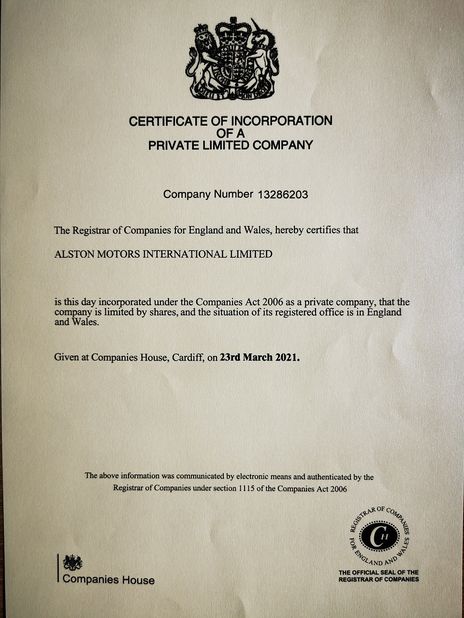
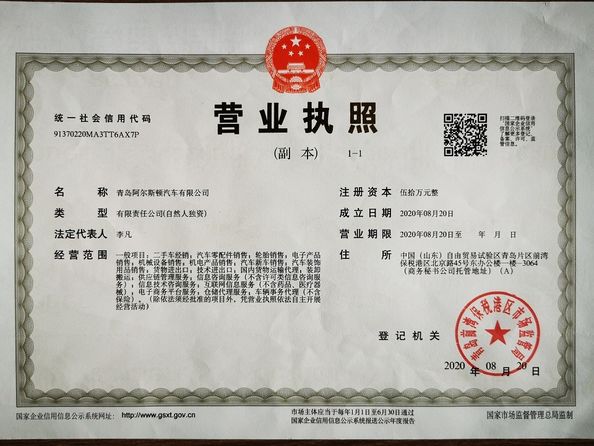
Empresa: Qingdao Alston Motors Co., Ltd.
Sobre el equipo editorial de Alston Motors:
El equipo editorial de Alston Motors comparte ideas prácticas sobre camiones HOWO renovados, semirremolques, vehículos comerciales, autos usados y soluciones de exportación para África y otros mercados en desarrollo.El contenido se basa en la experiencia de la empresa en la inspección de vehículos, renovación, coordinación de exportaciones, soporte de repuestos y servicio al cliente para compradores extranjeros.

 ¡Su mensaje debe tener entre 20 y 3.000 caracteres!
 Spanish