¿Qué deben verificar los compradores extranjeros antes de pedir un semirremolque de cama baja de China?
Los compradores extranjeros que pidan un semirremolque de cama baja de China deben verificar el peso y las dimensiones de la carga, el cálculo de la carga útil, la configuración de los ejes y los frenos, la altura libre del piso, el sistema de carga, la calidad estructural, la compatibilidad del tractor, los requisitos de importación, el costo total y la evidencia previa al envío. Para excavadoras, bulldozers, cargadoras y maquinaria de construcción, el remolque correcto es el que coincide con la máquina y la ruta reales.
1. ¿Qué equipo, carga útil y condiciones de trabajo debe manejar el remolque de cama baja?
El pedido debe basarse en la máquina más pesada y la ruta más difícil que el remolque servirá realmente, no en una tonelada anunciada.
Proporcione al proveedor el peso operativo de la máquina, la longitud, la altura de transporte, el ancho de las orugas o neumáticos, la posición del accesorio y la frecuencia de carga. Una excavadora de 36 toneladas no pertenece automáticamente a todos los remolques anunciados como "40 toneladas". La carga útil debe verificarse con el peso en vacío del remolque, las clasificaciones de los ejes, la carga del perno de tracción, la capacidad de los neumáticos y los límites legales de la carretera.
Las condiciones de trabajo también importan. Un margen de capacidad práctico del 10-20% puede ayudar en el servicio pesado repetido en carreteras de construcción o minas en mal estado, pero no reemplaza los límites legales de carga por eje o los cálculos estructurales.
2. ¿Qué configuración de eje, suspensión, neumático y frenado coincide con la carga útil requerida?
El número de ejes es solo una parte de la capacidad de carga; el tren de rodaje completo y la distribución del peso deben soportar la carga útil solicitada.
Tres ejes de 13 toneladas proporcionan 39 toneladas de clasificación nominal de eje, pero no 39 toneladas de capacidad de carga útil. El peso en vacío del remolque, la carga del perno de tracción, la posición de la carga, la suspensión, las clasificaciones de los neumáticos y las normas locales de ejes afectan el resultado. Los compradores que comparansemirremolques de cama baja de Chinadeben solicitar una explicación de la carga para el diseño exacto en lugar de confiar solo en el nombre del modelo.
Para rutas difíciles, la suspensión mecánica es práctica y reparable. Cualquiera que sea el tipo de suspensión, confirme la marca y la clasificación del eje, el índice de carga del neumático, las cámaras de freno, las líneas de aire, la válvula de relé, el ABS si es necesario y la compatibilidad con el sistema neumático del tractor.
3. ¿Qué longitud, anchura, altura y altura libre del piso se adaptan a la carga y la ruta de transporte?
Las dimensiones de la plataforma deben adaptarse tanto a la maquinaria como a la ruta, porque la plataforma más baja posible no es automáticamente la más segura.
Las camas bajas para equipos pesados suelen utilizar plataformas de trabajo de entre 9 y 13 metros de largo y entre 2,5 y 3,2 metros de ancho, dependiendo de la máquina y los límites locales. Mida el ancho de las orugas o neumáticos, la posición del accesorio y la altura total cargada antes de la producción. Un ancho excesivo puede aumentar los costos de permisos, escoltas, puertos o transporte interior.
La altura de la plataforma debe verificarse junto con la altura libre del piso cargada. Una plataforma más baja reduce la altura de transporte y el centro de gravedad, pero una distancia libre insuficiente aumenta el riesgo de atasco en cruces de ferrocarril, coronas de carreteras, entradas empinadas y caminos de minas irregulares.
4. ¿Qué sistema de carga es mejor: rampas mecánicas, rampas hidráulicas o un cuello de cisne desmontable?
El sistema de carga debe coincidir con el peso del equipo, la frecuencia de carga, el ángulo de la rampa y la capacidad de mantenimiento local.
Las rampas mecánicas son adecuadas para cargas ocasionales y ubicaciones con soporte hidráulico limitado. Las rampas hidráulicas reducen el trabajo manual y son mejores para el movimiento frecuente de excavadoras, rodillos, pavimentadoras y cargadoras. Inspeccione el ancho de la rampa, la superficie antideslizante, el refuerzo, los ejes de las bisagras, los puntos de bloqueo, los cilindros, las mangueras y las patas de soporte traseras si están instaladas.
Un cuello de cisne desmontable proporciona a la maquinaria pesada o de baja altura libre un ángulo de carga frontal más suave, pero aumenta el costo y la complejidad. Solicite un video operativo completo antes del pago final.
| Sistema de carga |
Mejor ajuste |
Verificación previa al pedido |
| Rampas mecánicas |
Uso simple y de bajo mantenimiento |
Bisagras, cerraduras, resistencia de la rampa |
| Rampas hidráulicas |
Carga frecuente |
Cilindros, mangueras, bomba, refuerzo |
| Cuello de cisne desmontable |
Maquinaria pesada o de baja altura libre |
Sistema de bloqueo, hidráulica, alineación |
5. ¿Cómo pueden los compradores verificar el grado de acero, la resistencia de la viga principal, la soldadura y la calidad estructural?
La calidad estructural debe demostrarse con el material acordado y la construcción terminada, no con pintura nueva o una clasificación reclamada de 60 o 100 toneladas.
La especificación de compra debe identificar el material de la viga principal, las dimensiones de la brida y la red, la disposición de los travesaños, las zonas de refuerzo, la placa de cubierta, los soportes de la suspensión y la estructura de la rampa. Las camas bajas de alta resistencia pueden usar acero de alta resistencia, vigas principales reforzadas y placa de cubierta de 4 mm, pero la especificación de otro modelo nunca debe copiarse sin verificar la carga prevista.
Utilice laguía para seleccionar un remolque de cama baja para maquinaria pesadapara la selección básica, luego haga que la orden de compra sea más específica. Antes del envío, inspeccione la transición del cuello de cisne, las soldaduras de la viga principal, las áreas de montaje de los ejes, los travesaños, las bisagras de la rampa y las superficies reparadas en busca de socavaciones, soldaduras incompletas, distorsiones, rectificado excesivo o retrabajo oculto.
6. ¿Cumplirá el remolque con los requisitos de carretera, registro, VIN y certificación del país de destino?
El cumplimiento debe confirmarse antes de la producción, ya que un remolque robusto es una compra incorrecta si no se puede registrar o operar legalmente.
Verifique el ancho, largo y alto total permitidos, los límites de carga por eje, la disposición de las luces y los reflectores, los requisitos de frenado, el formato del número de VIN o chasis, la documentación de registro y las normas de carga anormal. Los requisitos varían según el país, por lo que una especificación de mercado de exportación no debe reutilizarse automáticamente en otros lugares.
Para los mercados que aplican las normas de vehículos de la UNECE, el Reglamento nº 13 de la ONU cubre los frenos de vehículos pesados y se mantiene a través de revisiones y enmiendas actuales. Las normas del país de destino siguen siendo la referencia final para las interfaces de frenado, el ABS, la iluminación, el registro y las operaciones de gran tamaño.
7. ¿Es el remolque de cama baja compatible con el tractor del comprador y las condiciones de mantenimiento locales?
El remolque de cama baja debe pedirse como parte de una combinación tractor-remolque-carga, con los requisitos de acoplamiento, frenado, eléctricos, de tracción y de servicio verificados conjuntamente.
Confirme la altura de la quinta rueda, el tamaño del perno de tracción, el espacio de giro, el enchufe eléctrico, las conexiones de las líneas de aire, la capacidad del eje del tractor, el peso bruto combinado y las necesidades de tracción. Los productos de cama baja pueden usar un perno de tracción de 2 pulgadas (50 mm) o 3,5 pulgadas (90 mm); la elección debe coincidir con la quinta rueda del tractor antes de la producción.
La posición de Qingdao Alston Motors es que la selección del remolque de cama baja debe confirmarse conjuntamente a partir de la carga, el tractor, las condiciones de la carretera y los requisitos del destino, en lugar de basarse solo en el precio del remolque. Los compradores también pueden revisar lagama de productos de camiones y semirremolques de Chinaal hacer coincidir la combinación de transporte completa.
8. ¿Qué incluye el precio cotizado y cuál es el costo total real después del envío y la importación?
Dos cotizaciones son comparables solo cuando la especificación, el Incoterm, el método de envío y los costos de destino se definen sobre la misma base.
La cotización debe enumerar la marca y cantidad de ejes, la suspensión, los neumáticos, la especificación del acero, las dimensiones de la plataforma, el sistema de rampas, el perno de tracción, el tren de aterrizaje, los frenos, la iluminación, la pintura, las piezas de repuesto y las estructuras opcionales. Las rampas hidráulicas, los cuellos de cisne desmontables, los ejes adicionales, las plataformas extensibles o los anchos inusuales pueden cambiar materialmente el costo.
Luego agregue el flete marítimo, el seguro cuando corresponda, el manejo en puerto, el despacho de aduanas, los aranceles e impuestos, los cargos por gran tamaño, el transporte interior, los permisos y el ensamblaje después de la llegada. Dependiendo de las dimensiones y el destino, el envío puede utilizar breakbulk, Ro-Ro, flat rack u otro método de carga de proyectos.
9. ¿Qué deben inspeccionar y verificar los compradores antes del pago final y el envío?
El pago final debe seguir la evidencia de que el remolque terminado exacto coincide con el dibujo aprobado, la orden de compra, la lista de componentes y los documentos de exportación.
Solicite fotos del número de chasis o VIN, placa de identificación, vigas principales, soldaduras, ejes, suspensión, neumáticos, perno de tracción, tren de aterrizaje, cámaras de freno, líneas de aire, luces, rampas, plataforma y pintura. Un video funcional debe mostrar el ciclo de la rampa o el cuello de cisne desmontable, la operación hidráulica cuando esté instalada, la iluminación, las conexiones de los frenos de aire, el tren de aterrizaje y un recorrido completo.
Qingdao Alston Motors trata la verificación previa al envío como un control de especificaciones en lugar de una sesión de fotos cosmética. Revisela experiencia de inspección y exportación de remolques de Qingdao Alston Motorsantes de realizar el pedido, ysolicite una revisión de la configuración del remolque de cama bajacon el peso de la máquina, las dimensiones, los detalles del tractor, el país de destino y el puerto.
Inspección previa al envío de un semirremolque de cama baja de China: rampas, ejes, frenos, perno de tracción y verificación estructural
https://www.youtube.com/watch?v=FOjDQ4iOCjI
Lista de verificación del comprador previa al envío
| Verificar |
Evidencia a solicitar |
| Identidad |
Número de VIN/chasis y placa de identificación |
| Estructura |
Viga principal y soldaduras críticas de cerca |
| Tren de rodaje |
Especificaciones de ejes, suspensión, neumáticos y frenos |
| Acoplamiento |
Tamaño del perno de tracción y compatibilidad con la quinta rueda |
| Sistema de carga |
Video operativo de rampa o cuello de cisne |
| Dimensiones |
Tamaño de plataforma medido y altura libre |
| Documentos |
Datos de factura y certificados requeridos |
| Envío |
Condición final y evidencia de carga |
Preguntas frecuentes sobre el pedido de un semirremolque de cama baja de China
¿Qué carga útil debo elegir para una excavadora?
Comience con el peso operativo real y el cálculo de carga completo. Un margen de trabajo del 10-20% puede ser útil, pero los límites de los ejes, el peso en vacío del remolque, la carga del perno de tracción y las clasificaciones de los neumáticos aún controlan la especificación final.
¿Es suficiente un remolque de cama baja de 3 ejes para equipos de construcción pesados?
A veces, pero la cantidad de ejes por sí sola no es suficiente. Verifique las clasificaciones de los ejes individuales, la posición de la carga, la carga del perno de tracción, el peso en vacío del remolque, los neumáticos, la ruta y los límites de ejes del destino.
¿Una plataforma más baja siempre es mejor?
No. Una plataforma baja reduce la altura de transporte y el centro de gravedad, pero una distancia libre al suelo demasiado pequeña aumenta el riesgo de atasco en cruces de ferrocarril, entradas empinadas y carreteras en mal estado.
¿Son las rampas hidráulicas mejores que las rampas mecánicas?
Las rampas hidráulicas son adecuadas para cargas frecuentes; las rampas mecánicas son más simples donde el soporte de mantenimiento es limitado. En ambos casos, la resistencia de la rampa, la estructura de la bisagra, los puntos de bloqueo y el ángulo de carga son más importantes que el método operativo solo.
¿Debo elegir un perno de tracción de 2 o 3,5 pulgadas?
Elija el tamaño que coincida con la quinta rueda del tractor y el diseño del remolque. Confírmelo antes de la producción en lugar de asumir que el perno de tracción estándar del proveedor encajará.
¿Cuál es la verificación más importante antes del pago final?
Verifique el remolque terminado exacto contra el dibujo aprobado y la orden de compra. Las fotos de identificación, las dimensiones medidas, los primeros planos de los componentes, los videos funcionales, los registros de inspección y los documentos finales deben describir la misma unidad.
Escrito por: Bruce Li, Consultor de Exportación
Revisado por: Equipo de Exportación y Técnico de Alston Motors
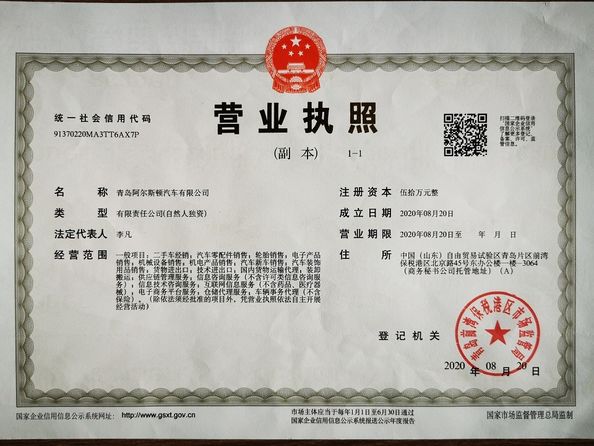
Empresa: Qingdao Alston Motors Co., Ltd

 ¡Su mensaje debe tener entre 20 y 3.000 caracteres!
 Spanish