¿Cómo elegir un camión de carga HOWO usado para el transporte de materiales de construcción?
Para elegir uncamión de carga HOWO usadopara el transporte de materiales de construcción, hacer coincidir el camión con los materiales, y luego verificar la carga útil, la longitud de la carrocería, el tipo de accionamiento, la resistencia del chasis, el estado de frenado, la protección de la carga y la prueba de inspección de exportación.Para el cemento, ladrillos, azulejos, tablas y acero, la carga segura es más importante que la elección de la unidad más barata.
1Compare el camión de carga HOWO usado con sus materiales de construcción
Un camión de carga HOWO usado debe seleccionarse de acuerdo con el peso, la forma, el embalaje y el método de descarga de los materiales de construcción que transportará.
Las bolsas de cemento, los ladrillos, las baldosas, el contrachapado, las tablas de yeso, los andamios y las barras de acero no cargan el camión de la misma manera.y la condición de frenado importa másLas tablas y el acero necesitan una longitud de cuerpo suficiente, apoyo lateral y puntos de fijación seguros para evitar daños durante el transporte.
Para la entrega de materiales de construcción mixtos, una carrocería de carga de pared lateral suele ser práctica porque permite la carga lateral y trasera.un cuerpo de caja o un cuerpo de carga cubierto con lonas es más seguroPara arena suelta, grava o tierra, un camión descargador es normalmente una mejor opción que un camión de carga.
2Seleccione la carga útil correcta, la longitud del cuerpo de la carga y la configuración del motor
La configuración adecuada depende del peso diario de la carga, de la condición de la ruta y de si el camión funciona en carreteras pavimentadas, sitios de trabajo accidentados o rutas de entrega mixtas.
Un camión de carga 4x2 puede manejar materiales de construcción más ligeros en las carreteras de la ciudad, especialmente azulejos empacados, herramientas, accesorios y pequeños materiales de construcción.Un camión de carga HOWO de 6x4 usado es generalmente más adecuado para el cemento más pesadoUna opción de 8x4 puede adaptarse a trabajos de larga distancia más pesados, pero los compradores deben confirmar primero los límites locales de la carretera y el costo de operación.
Las configuraciones comunes de camiones de carga HOWO exportados pueden incluir motores de 336 CV, 371 CV, 375 CV, 400 CV o 430 CV, dependiendo del nivel de stock y renovación.especialmente cuando se transportan tablasUn cuerpo más largo aumenta el espacio de carga, pero puede reducir la conveniencia de girar en carreteras estrechas de construcción.
| Materiales de construcción |
La elección práctica del camión |
Punto de control del comprador |
| Las demás partidas de los artículos del capítulo 85 |
6x4 o 8x4 |
Carga útil, eje trasero, suspensión, neumáticos |
| Carquillas y productos envasados |
4x2 o 6x4 |
Piso plano, pared lateral, cubierta para lluvia |
| Los demás materiales, incluidos los materiales de madera |
Cuerpo de carga más largo |
longitud del cuerpo, nivel del suelo, lonas |
| Barras de acero y andamios |
Cuerpo de carga de pared lateral o de cama plana |
Puntos de vinculación y riesgo de sobrepeso |
| Entrega en el lugar de trabajo urbano |
Cuerpo más corto si es posible |
Espacio de giro y acceso de carga |
3Compruebe si el camión puede transportar cemento, ladrillos, azulejos, tablas y acero de forma segura
Un camión de carga solo es adecuado para materiales de construcción si la carga se puede distribuir uniformemente y sujetar firmemente.
Las bolsas de cemento y los ladrillos no deben apilarse pesadamente en la parte trasera porque el peso concentrado aumenta la tensión de la suspensión y la distancia de frenado.Las baldosas necesitan un embalaje estable y un piso de carga plano para reducir la roturaLas barras de acero, las tuberías y los andamios requieren sujeción lateral, ganchos de cuerda y suficiente longitud del cuerpo.
Un camión puede parecer limpio después de haber sido repintado, pero un suelo de carga débil, una pared lateral dañada, neumáticos deficientes o muelles de hojas cansados pueden causar problemas diarios de entrega.Antes de hacer el pedido, pida fotos cercanas o video del piso de la carrocería de la carga, los paneles laterales, las cerraduras traseras, el marco del chasis y el estado de los neumáticos.
4Compare el cuerpo de carga, el cuerpo de caja y las opciones de piso plano para la entrega de la construcción
Un cuerpo de carga es mejor para materiales de construcción mixtos, un cuerpo de caja protege mejor los bienes secos, y un lecho plano es más fuerte para carga larga o de gran tamaño.
Un cuerpo de carga de pared lateral funciona bien para bolsas de cemento, ladrillos, herramientas, azulejos, materiales empaquetados y suministros generales de construcción.Ofrece flexibilidad cuando un camión necesita atender a varios clientes o sitios de trabajo en una rutaUn cuerpo de caja es mejor para azulejos, tablas, hardware y materiales empaquetados que deben evitar la lluvia, el polvo y el riesgo de robo durante el estacionamiento.
Un lecho plano es más fácil para barras de acero, madera, andamios y palés cargados con grúa, pero necesita una seguridad de carga más fuerte y protección contra el clima.Los compradores que transportan materiales de construcción mixtos a menudo eligen el cuerpo de carga primero, luego agregue el marco de lonas, suelo reforzado o paneles laterales más altos basados en la mezcla real de materiales.
5. Inspeccione el motor, la caja de cambios, el chasis, la suspensión, los frenos y los neumáticos antes de comprar
Un camión de carga HOWO usado debe ser inspeccionado en condiciones de funcionamiento, no juzgado sólo por pintura nueva o fotos exteriores.
El motor debe arrancar normalmente, estar en ralentí de forma constante y no mostrar un humo pesado después del calentamiento.El embrague debe activarse claramente durante el movimiento a baja velocidadEl sistema de frenos de aire debe acumular la presión adecuadamente y responder uniformemente, porque las cargas pesadas de cemento o ladrillo aumentan la demanda de frenado en caminos cuesta abajo o accidentados.
El chasis debe comprobarse para detectar grietas, soldadura pesada, deformación y óxido alrededor de los asientos de resorte, miembros transversales y puntos de montaje del eje trasero.no simplemente limpiados para fotosPara el transporte de materiales de construcción, el reemplazo de neumáticos, la reparación de frenos y el trabajo de suspensión pueden costar más que las reparaciones cosméticas de la cabina.
| Área de inspección |
Qué comprobar |
Por qué es importante |
| El motor |
Inicio, marcha lenta, humo, fugas de aceite |
Confirma la condición básica de funcionamiento |
| Caja de cambios y embrague |
Respuesta y participación en cambios |
Reduce el tiempo de inactividad después de la entrega |
| El chasis |
Rupturas, soldadura, óxido |
Soporta cargas pesadas repetidas |
| Suspensión |
Las demás máquinas y aparatos |
Maneja cemento, ladrillos y acero |
| Frenos |
Presión del aire y respuesta |
Critico para la seguridad de los camiones cargados |
| Los neumáticos |
Pista, grietas en las paredes laterales, de igual tamaño |
Afecta a la seguridad y al coste de sustitución |
| Cuerpo de carga |
Suelo, paredes laterales, cerraduras |
Protege los materiales en uso diario |
6Evaluar la conveniencia de carga, protección contra la lluvia y accesibilidad al lugar de trabajo
Un camión que es difícil de cargar, descargar o conducir hasta el sitio de trabajo puede costar más en el funcionamiento diario que un precio de compra ligeramente más alto.
Los materiales de construcción a menudo se entregan a almacenes, tiendas junto a la carretera, carreteras inacabadas y sitios de construcción activos.Pero puede ser difícil girar en áreas urbanas estrechasUn cuerpo de caja protege contra la lluvia, pero la carga lateral es menos conveniente a menos que se incluyan puertas laterales.
Los compradores deben confirmar el método de carga normal antes de elegir el camión.La entrega en temporada de lluvias puede requerir un soporte de lonas o un cuerpo de cajaLa entrega en terrenos accidentados puede requerir neumáticos más fuertes, una mejor distancia al suelo y un sistema de suspensión cuidadosamente controlado.
7Revisar los puntos de seguridad de carga para madera, barras de acero, contrachapado y placas de yeso
Los materiales de construcción largos, planos, agrupados o resbaladizos necesitan puntos de sujeción adecuados, no sólo un gran cuerpo de carga.
La madera, la madera contrachapada, los tableros de yeso, las barras de acero y las tuberías pueden desplazarse al frenar, girar o conducir en carretera accidentada.y un piso de carga lo suficientemente fuerte para cargar repetidamentePara los materiales largos, los compradores también deben confirmar las reglas de sobrepeso, las marcas de advertencia y los requisitos de carretera del país de destino.
Guía de seguridad externa, por ejemplo:Normas de seguridad de carga de la FMCSA para productos de construcciónLa principal lección para los compradores es simple: un camión de carga no sólo debe transportar el peso;También debe impedir que la carga se mueva durante el transporte..
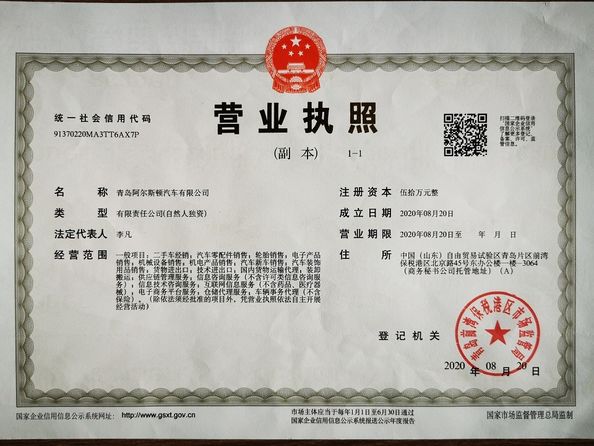
Para los compradores de materiales de construcción, Qingdao Alston Motors por lo general confirma la mezcla de carga, longitud del cuerpo, estado del chasis, estado de los neumáticos,y método de carga antes de recomendar un camión de carga HOWO renovado para la exportaciónEsto ayuda a evitar la elección de un camión que se ve adecuado en las fotos, pero no coincide con el uso real del sitio de trabajo.
8Compare el precio, el nivel de renovación, los documentos de exportación, el método de envío y el soporte postventa
El camión de carga HOWO mejor utilizado no siempre es la unidad de menor precio; es el camión con la configuración correcta, condición probada y un claro apoyo a la exportación.
Un camión de carga HOWO usado de China generalmente gira alrededorEl precio de exportación de los productos incluidos en el anexo de la presente Decisión es el siguiente:Los compradores deben comparar lo que está incluido: prueba del motor, inspección de frenos,reparación de carrocerías de carga, reparación del interior de la cabina, reemplazo de neumáticos, repintura, batería, luces y preparación de carga.
Para los modelos disponibles, los compradores pueden compararcamiones de carga HOWO renovados para la exportaciónSi todavía tienen que elegir entre camiones de carga, camiones de descarga y camiones tractores,camiones HOWO usados de ChinaPara conocer los antecedentes de los proveedores,Experiencia en las exportaciones de Alston MotorsPara obtener una cotización confirmada, los compradores puedenSolicitar un video de inspección de camión de cargaantes del envío.
Antes del envío, confirme la factura comercial, la lista de embalaje, el número del chasis, el número del motor, los datos del conocimiento de embarque, el puerto de destino, el método de carga y la solicitud de repuestos.Qingdao Alston Motors puede proporcionar fotos de inspección, la ejecución de videos, la confirmación de la renovación y la coordinación del envío para los compradores que necesitan camiones de carga HOWO para la entrega de materiales de construcción en África y otros mercados de exportación.
Preguntas frecuentes
¿Es un camión de carga HOWO usado adecuado para el transporte de materiales de construcción?
Sí, es adecuado para bolsas de cemento, ladrillos, baldosas, tablas, piezas de acero y materiales de construcción empaquetados cuando la carga útil, la longitud del cuerpo, los neumáticos, la suspensión y la sujeción de la carga están debidamente verificados.
¿Debería elegir 4x2, 6x4 o 8x4?
Elige 4x2 para el transporte por carretera pavimentada más ligero, 6x4 para materiales de construcción mixtos más pesados y 8x4 para el transporte de larga distancia o de carretera accidentada más pesada cuando las normas locales lo permitan.
¿Es mejor un camión de carga que un camión de cama plana?
Un camión de carga es mejor para materiales mixtos y protegidos. Un lecho plano es mejor para acero largo, madera, andamios y palés cargados con grúa.
¿Qué debo inspeccionar antes de comprar?
Compruebe el arranque del motor, el humo, la caja de cambios, el embrague, los frenos, el chasis, la suspensión, los neumáticos, el piso de carga, las paredes laterales, las cerraduras, las luces y los controles de la cabina.
¿Qué carrocería es mejor para zonas lluviosas?
Un cuerpo de caja o un cuerpo de carga de pared lateral con soporte de lonas es mejor para materiales sensibles a la lluvia como cemento, azulejos, contrachapado y tablas de yeso.
¿Qué afecta más al precio?
El tipo de accionamiento, la potencia, la longitud de la carrocería, el estado de los neumáticos, el año, el estado del motor, el nivel de renovación, el método de envío y el paquete de repuestos afectan al precio final.
¿Qué deben preguntar los compradores antes del envío?
Pida videos de inspección, número de chasis, número de motor, fotos de la carrocería de la carga, estado de los neumáticos, prueba de frenos, documentos de exportación, fotos de carga y horario de envío.
Escrito por: Equipo editorial de Alston Motors
Revisado por: Equipo técnico y de exportación
Empresa: Qingdao Alston Motors Co., Ltd.
Sobre el equipo editorial de Alston Motors:
El equipo editorial de Alston Motors comparte ideas prácticas sobre camiones HOWO renovados, semirremolques, vehículos comerciales, autos usados y soluciones de exportación para África y otros mercados en desarrollo.El contenido se basa en la experiencia de la empresa en la inspección de vehículos, renovación, coordinación de exportaciones, soporte de repuestos y servicio al cliente para compradores extranjeros.

 ¡Su mensaje debe tener entre 20 y 3.000 caracteres!
 Spanish