¿Cuánto cuesta un camión hormigonera HOWO usado de China para la construcción de edificios?
Un camión hormigonera HOWO usado de China cuesta típicamente alrededor de17.000-29.000 USD FOBpara unidades comunes listas para exportación. Para la construcción de edificios, los compradores deben elegir por capacidad del tambor, estado del sistema mezclador, salud del chasis, calidad de la renovación y costo total de llegada, no solo por el precio. Una unidad inspeccionada de 8 m³, 10 m³ o 12 m³ suele ser la compra más segura.
1. ¿Cuánto cuesta un camión hormigonera HOWO usado en China?
Un presupuesto FOB realista para muchos camiones hormigonera HOWO usados listos para exportación es de alrededor de 17.000-29.000 USD. El precio final depende del tamaño del tambor, el tipo de tracción, el año del chasis, el estado del motor, el sistema hidráulico, los neumáticos, el alcance de la renovación y si el camión ha pasado pruebas funcionales antes del envío.
Para la construcción de edificios, los camiones 6x4 con tambores de 8 m³-10 m³ suelen estar en el rango de compra principal, mientras que las unidades de mayor capacidad o 8x4 generalmente cuestan más. Los compradores deben comparar elrango de camiones hormigonera HOWO usadosy utilizar elpunto de referencia de precios de mezcladores de 10 m³como referencia más específica.
2. ¿Qué factores afectan el precio de un camión hormigonera HOWO usado?
Las mayores diferencias de precio provienen de los componentes de trabajo de alto costo, no solo de la pintura nueva o el año del modelo. El estado del motor, la integridad del chasis, el desgaste del tambor, el estado del reductor, el rendimiento de la bomba hidráulica, los neumáticos, los frenos y la profundidad de la renovación deben reflejarse en el precio.
| Factor de precio |
Condición de menor valor |
Condición de mayor valor |
| Tambor mezclador |
Acumulación pesada o palas desgastadas |
Limpio, inspeccionado y probado |
| Hidráulica |
Operación desconocida o fugas |
Bomba, motor y reductor probados |
| Chasis |
Corrosión o reparaciones inciertas |
Bastidor inspeccionado estructuralmente |
| Neumáticos |
Mixtos o cerca del reemplazo |
Serviciables o reemplazados |
| Renovación |
Principalmente cosmética |
Trabajo mecánico y del sistema mezclador |
| Evidencia |
Solo fotos |
Videos de arranque, conducción y prueba de tambor |
Un ahorro de2.000-3.000 USDpuede desaparecer rápidamente si se necesitan reparaciones de neumáticos, hidráulica, frenos o tambor después de la llegada. Por lo tanto, los compradores deben comparar camiones con las mismas especificaciones y nivel de condición verificada en lugar de seleccionar la cotización más baja.
3. ¿Qué capacidad de mezclador es mejor para la construcción de edificios: 8 m³, 10 m³ o 12 m³?
Para la mayoría de los proyectos de construcción, 8 m³-10 m³ ofrece el mejor equilibrio entre volumen de concreto, acceso al sitio, carga por eje, maniobrabilidad y frecuencia de entrega. Una unidad de 12 m³ es mejor cuando la producción de lotes, el acceso a la carretera, los límites de peso locales y la demanda diaria respaldan la carga más grande.
| Capacidad |
Aplicación más adecuada |
Principal consideración del comprador |
| 8 m³ |
Edificios urbanos y sitios más pequeños |
Maniobrabilidad más fácil |
| 10 m³ |
Apartamentos, edificios comerciales, concreto premezclado general |
Mejor equilibrio general |
| 12 m³ |
Vertidos más grandes y entrega de mayor volumen |
Límites de acceso y carga por eje |
Un proyecto que requiere aproximadamente 30 m³ puede necesitar aproximadamente cuatro cargas de 8 m³ o tres cargas de 10 m³ antes de los límites prácticos de carga. El tamaño del tambor también debe coincidir con la producción de lotes, la distancia de viaje, el tiempo de descarga, el ancho de acceso y las normas de tráfico locales.
ASTM C94/C94M – Especificación estándar para concreto premezclado cubre el concreto premezclado entregado en estado recién mezclado y reconoce los camiones mezcladores como parte de ese sistema de entrega. Para los compradores, la capacidad debe ajustarse al proceso de entrega del proyecto, no simplemente verse más grande en una hoja de especificaciones.
4. ¿Qué deben verificar los compradores en el tambor mezclador, las palas y el sistema hidráulico?
El tambor mezclador y el sistema de accionamiento hidráulico son los componentes especializados más importantes a verificar antes de la compra. Un motor en buen estado no compensa un tambor muy desgastado, palas dañadas, reductor con fugas, bomba débil o rotación inestable.
Inspeccione la carcasa del tambor en busca de deformaciones, soldaduras, abrasión, acumulación de concreto endurecido y contacto desigual de los rodillos. También revise las palas, la canaleta, el sistema de agua, la TDF, las mangueras, la bomba, el motor, el reductor, los controles y los rodillos.
Solicite una prueba que muestre rotación hacia adelante, descarga inversa, ajuste de velocidad y operación estable después del calentamiento. Sacudidas anormales, respuesta retardada, ruido del reductor, fugas de aceite o sobrecalentamiento son motivos para reparar el sistema o reajustar el precio del camión.
Para una verificación técnica más detallada, utilice lalista de verificación de inspección de mezcladores 6x4 para operaciones de concreto premezclado.
5. ¿Cómo afectan el motor, el chasis, la transmisión, los neumáticos y los frenos a la decisión de compra?
Se debe rechazar o reajustar el precio de un camión mezclador cuando los problemas importantes del chasis o la cadena cinemática amenazan la operación cargada, incluso si el tambor funciona. Los mezcladores HOWO usados comunes pueden usar chasis 6x4 con aproximadamente 336 HP-380 HP, aunque la especificación correcta depende del año, la ruta, el tamaño del tambor y las condiciones del sitio.
Verifique el arranque en frío, la estabilidad en ralentí, el escape, el comportamiento del refrigerante, las fugas de aceite, el acoplamiento del embrague, el cambio de marchas, la dirección, los frenos, la suspensión y el estado del chasis alrededor de los puntos de montaje del mezclador. Las soldaduras previas o la deformación alrededor de los travesaños y los soportes de la suspensión trasera merecen una atención especial.
Inspeccione los neumáticos individualmente; los frenos, las líneas de aire, la respuesta de la dirección, las luces y el movimiento de marcha atrás también deben funcionar antes de la aceptación. Un mezclador transporta peso concentrado en la parte superior del chasis, por lo que el estado de los frenos, la suspensión y los neumáticos es especialmente importante en carreteras irregulares de obras de construcción.
6. ¿Cómo afecta la calidad de la renovación al valor de un camión hormigonera HOWO usado?
Una buena renovación aumenta el valor solo cuando reduce el riesgo operativo identificable. Repintar la cabina, el chasis y el tambor puede mejorar la apariencia, pero no demuestra que el motor, el reductor, la bomba, los frenos, los neumáticos, el cableado o las palas internas estén listos para el trabajo diario.
Un registro de renovación útil debe separar los elementos inspeccionados, reparados, reconstruidos o reemplazados, respaldado por fotos previas al trabajo, evidencia del taller, una lista de trabajo escrita y videos de prueba finales.
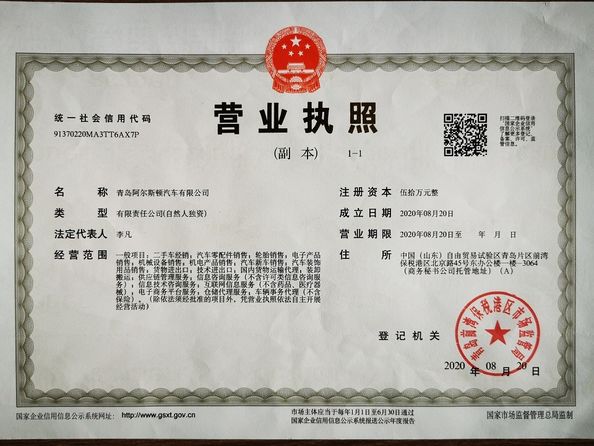
En Qingdao Alston Motors, el estándar del comprador es simple:el valor de un mezclador renovado proviene de un trabajo rastreable y una condición operativa verificada, no solo de la pintura nueva. Los compradores pueden revisarcómo Qingdao Alston Motors maneja la renovación y preparación para exportación de camiones usados para conocer el contexto del proceso.
7. ¿Cuál es el costo total de llegada después del flete, la inspección, los aranceles y las piezas de repuesto?
La comparación correcta es el costo total del proyecto de llegada, no el precio de oferta FOB del proveedor. Un mezclador de 20.000 USD puede costar materialmente más después de agregar el flete marítimo, el seguro cuando corresponda, los cargos de destino, los aranceles, el despacho, el transporte interior, la inspección y los artículos de mantenimiento iniciales.
Un cálculo práctico para el comprador es:
Precio del camión + Costo de exportación en China + Flete marítimo + Seguro + Arancel/Impuesto de destino + Cargos portuarios + Despacho + Entrega interior + Reserva inicial de piezas
Los camiones mezcladores completos se envían comúnmente en buques a granel o Ro-Ro; el contenedor flat-rack puede ser adecuado para ciertas rutas. Compare las cotizaciones solo después de confirmar el puerto de destino y el Incoterm: FOB, CFR o CIF.
La reserva inicial de piezas debe reflejar el resultado de la inspección. Los filtros, correas, piezas de freno, sellos y mangueras hidráulicas pueden valer la pena enviarlos con el camión cuando la disponibilidad local sea incierta. Una cotización FOB más baja no es un ahorro si el vehículo requiere reparaciones costosas inmediatamente después del despacho de aduanas.
8. ¿Cómo deben los compradores evaluar el riesgo de tiempo de inactividad, la disponibilidad de piezas y el mantenimiento local?
El tiempo de inactividad es un problema de costo de compra porque un mezclador detenido puede interrumpir un ciclo de entrega de concreto programado. El riesgo es mayor para los contratistas que operan solo una o dos unidades, donde puede no haber un camión de repuesto disponible durante un vertido.
Antes de realizar el pedido, confirme la capacidad de servicio local para el motor, la caja de cambios, los frenos, el sistema eléctrico, la bomba, el motor y el reductor, además de la disponibilidad de piezas comunes del chasis HOWO y específicas del mezclador.
Haga una pregunta práctica:¿si el camión se detiene mañana, qué componente es más probable que retrase el proyecto y qué tan rápido se puede reparar? Un camión con un precio ligeramente más alto y con condición documentada y piezas compatibles puede producir un costo de proyecto real más bajo que un camión más barato con tiempo de inactividad incierto.
Esto es particularmente importante cuando la planta de lotes, la bomba de concreto, la mano de obra del sitio y el cronograma de entrega del mezclador están coordinados. Una falla mecánica afecta más que solo el camión; puede interrumpir todo el vertido planificado.
9. ¿Cuándo es una buena opción un camión hormigonera HOWO usado para un proyecto de construcción?
Un camión hormigonera HOWO usado es una buena opción cuando su capacidad coincide con el ciclo de entrega y su condición mecánica se puede verificar antes del envío. Es adecuado para contratistas, operadores de concreto premezclado y proyectos de construcción que buscan un menor costo de capital que un camión nuevo sin aceptar un riesgo de reparación incontrolado.
Un candidato sólido debe combinar una capacidad adecuada de 8 m³-12 m³, operación estable del tren motriz, estructura de chasis sólida, rendimiento verificado del tambor e hidráulico, y un costo de llegada aceptable. El mejor camión es el que tiene más probabilidades de entrar en servicio sin reparaciones importantes inmediatas o interrupciones de entrega evitables.
Los compradores listos para comparar configuraciones puedensolicitar una cotización de camión hormigonera HOWO usadocon capacidad, tipo de tracción, puerto de destino, posición de dirección, potencia preferida y aplicación de proyecto de construcción.
Preguntas frecuentes
¿Cuánto cuesta un camión hormigonera HOWO usado de China?
Muchas unidades comunes listas para exportación rondan los17.000-29.000 USD FOB, dependiendo de la capacidad, el estado del chasis, el sistema mezclador, los neumáticos, la renovación y el estado de las pruebas.
¿Es mejor 8 m³ o 10 m³ para la construcción de edificios?
Un camión de 8 m³ se adapta a un acceso urbano más estrecho, mientras que el de 10 m³ es a menudo la opción de propósito general más sólida para trabajos de apartamentos, comerciales y de construcción a mediana escala.
¿Es un mezclador de 12 m³ siempre más productivo?
No. Solo es más productivo cuando el acceso a la carretera, los límites de los ejes, la producción de lotes, la entrada al sitio, la tasa de descarga y el cronograma de entrega respaldan la carga más grande.
¿Cuál es el sistema más importante para inspeccionar?
El tambor y el sistema de accionamiento hidráulico merecen la primera prioridad, especialmente la bomba, el motor, el reductor, los rodillos, las palas, las mangueras y la rotación hacia adelante/atrás.
¿Qué videos deben solicitar los compradores antes del pago?
Solicite arranque en frío, motor en marcha, movimiento en carretera, operación de la caja de cambios, frenado, rotación del tambor, ajuste de velocidad, respuesta hidráulica y un recorrido del camión real.
¿Es un mezclador renovado mejor que un camión tal cual?
Sí, cuando la renovación incluye trabajo mecánico y del sistema mezclador documentado. La simple repintada cosmética no justifica un precio más alto.
¿Deben los compradores elegir el mezclador HOWO usado más barato?
No. Compare el costo de llegada, la condición verificada, el mantenimiento esperado, la disponibilidad de piezas y la exposición al tiempo de inactividad en lugar del precio FOB solamente.
Escrito por: Bruce Li, Consultor de Exportación
Revisado por: Equipo de Exportación y Técnico de Alston Motors
Empresa: Qingdao Alston Motors Co., Ltd

 ¡Su mensaje debe tener entre 20 y 3.000 caracteres!
 Spanish