Utilizado HOWO camión de basura 6x4 vs 8x4: ¿Cuál es mejor para proyectos de tierra y construcción?
Para la mayoría de los proyectos mixtos de trabajo de tierra y construcción, un camión de descarga HOWO 6x4 usado es la mejor opción general porque es más fácil de maniobrar y más barato de operar.Elige un 8x4 cuando el proyecto requiere constantemente una mayor carga útil por viaje, mayor capacidad de carrocería y alto tonelaje diario en carreteras anchas y firmes.
1¿Cómo difieren la capacidad de carga útil y la carga del eje entre 6x4 y 8x4?
Un camión volcado HOWO 8x4 distribuye el peso del vehículo y la carga útil en cuatro ejes, mientras que un 6x4 utiliza tres ejes y normalmente está adaptado a una carga útil de trabajo más baja en el mismo entorno de control de ejes.
Esta diferencia es más importante cuando un proyecto se mide en toneladas movidas por turno. Un 6x4 puede ser suficiente para excavación de cimientos, trabajos de drenaje, proyectos de carreteras pequeñas y movimientos internos cortos..Un 8x4 se vuelve más útil cuando cada tonelada adicional por viaje reduce el número de ciclos de tracción necesarios durante una larga jornada laboral.
SINOTRUK publica ambosConfiguración de los dumpers HOWO-TX 6x4 y 8x4La carga útil final, sin embargo, todavía debe comprobarse en relación con el peso de la correa, el peso de la carrocería, las posiciones del eje, la capacidad de los neumáticos, los límites de peso bruto locales y las restricciones del proyecto de carretera.
2¿Qué configuración es mejor para trabajos de tierra, extracción de canteras y sitios de construcción?
Un 6x4 es generalmente mejor para trabajos de construcción mixtos y acceso restringido, mientras que un 8x4 es mejor para movimientos de tierra de alto volumen en carreteras preparadas.
Un sitio de excavación de cimientos o zanjas de drenaje a menudo cambia de puntos de carga y vertido durante el proyecto.o trabajar en carreteras temporalesEn estas condiciones, el chasis 6x4 más corto normalmente da al operador más flexibilidad.
Un 8x4 es más fuerte cuando el punto de carga, la ruta de transporte y el área de descarga se mantienen estables durante todo el turno.las operaciones de cantera a almacén pueden utilizar la mayor capacidad de viaje de manera más consistente.
Los compradores que comparanOpciones de camiones de descarga HOWO para proyectos de movimiento de tierrasEn el caso de los camiones más grandes, la comparación de las necesidades diarias de producción debería ser más sencilla que la simple elección del camión más grande disponible.
3¿Cómo afectan el tamaño de la caja de carga y la densidad del material a la selección de 6x4 vs 8x4?
El volumen de la carrocería debe corresponder a la densidad del material porque una carrocería grande puede alcanzar el peso permitido del camión antes de que esté físicamente llena.
Un HOWO 6x4 usado típico puede utilizar una carrocería de descarga de aproximadamente 18 ′′25 m3, mientras que un 8 ′′4 puede usar alrededor de 25 ′′35 m3 dependiendo de la especificación del chasis y el mercado previsto.Esos números por sí solos no determinan la carga útil útil.
| El material |
Cuestión principal de selección |
Un mejor punto de partida |
| Suelo excavado seco |
Gran volumen, densidad moderada |
6x4 o 8x4 |
| laterita húmeda |
Peso más alto por metro cúbico |
Primero carga útil. |
| Piedra triturada |
Material denso |
Límites del eje y del neumático |
| Despojos de la demolición |
Carga y impacto irregulares |
Estructura del cuerpo fuerte |
| Arena y base de la carretera |
Ciclos repetidos y intensos |
Condición del cuerpo y de la suspensión |
Para el material denso, una carrocería de 8x4 más grande sólo es útil cuando los límites del eje y el proyecto permiten la carga adicional.el volumen adicional puede mejorar la productividad sin alcanzar inmediatamente el peso bruto máximo.
4¿Cuál ofrece mejor tracción, radio de giro y maniobrabilidad en el lugar de trabajo?
Un 6x4 normalmente ofrece la mejor combinación de tracción y maniobrabilidad en sitios confinados porque sigue siendo un camión de tandem con un chasis general más corto.
Tanto las configuraciones típicas HOWO 6x4 como las 8x4 utilizan dos ejes traseros accionados. El eje adicional en un 8x4 mejora principalmente la distribución de peso frontal y la capacidad de peso bruto;no añade automáticamente otro eje accionado.
Esto es importante durante la excavación de los cimientos, el relleno de los sitios de construcción, los trabajos de servicios públicos y la construcción temporal de carreteras.y las estructuras del sitioUn 8x4 requiere un acceso más amplio y un área de descarga más grande para utilizar su ventaja de carga útil de manera eficiente.
Antes de seleccionar cualquiera de los camiones, mida el ancho de la carretera, el ancho de la puerta, el espacio de giro, el tamaño de la plataforma de carga y la distancia disponible para dar marcha atrás hasta la posición de vertido.
5¿Cómo difieren los requisitos de potencia del motor, transmisión y frenado?
La potencia del motor debe ajustarse al peso bruto de trabajo y a la resistencia de la ruta, con operaciones 8x4 más pesadas que requieren más reserva de marcha que los trabajos de construcción 6x4 moderados.
Los camiones volcantes HOWO usados aparecen comúnmente con configuraciones de 371, 375, 400 y 430 CV.Un camión de 371~375 CV con un rendimiento mecánicamente sólido puede funcionar bien en trabajos de tierra moderados donde las distancias de transporte son cortas y las pendientes están controladasUn 8x4 muy cargado que trabaja en largas subidas o en rutas de canteras de alta temperatura se beneficia más de 400-430 CV.
La transmisión y el estado del eje son igualmente importantes. Compruebe el agarre del embrague, el enganche de baja velocidad, el ruido de la caja de cambios, la fuga del diferencial, el rendimiento de enfriamiento y la recuperación del freno de aire.Un camión de mayor potencia con deslizamiento del embrague o frenos débiles no es una mejor opción para transporte pesado.
6¿Cuál es más estable y más seguro al inclinarse en terreno irregular?
Ninguna de las dos configuraciones debe inclinarse sobre un terreno significativamente irregular, blando o con pendiente transversal; la preparación del área de descarga es más importante que el número de ejes.
Cuando un cuerpo de basura se eleva, el centro de gravedad del camión se mueve bruscamente hacia arriba.o un borde de descarga suave puede desestabilizar ya sea un 6x4 o un 8x4.
El NIOSH identifica las superficies inestables, el terreno inclinado, la carga desigual, los cuerpos elevados y el mal estado del vehículo como los principales riesgos de caída de camiones.Guía de seguridad de los camiones de descarga NIOSH.
El sistema hidráulico debe ser probado a través de la elevación completa, la retención y la baja controlada.y elevando la suavidadEl.Guía de inspección de elevación hidráulica de camiones volquete HOWO usadosproporciona una secuencia de inspección práctica.
7¿Cuál tiene el menor costo total de propiedad: 6x4 o 8x4?
Un 6x4 normalmente tiene el menor costo total de propiedad cuando su carga útil es suficiente; un 8x4 solo se vuelve más económico cuando se utiliza constantemente su capacidad adicional.
El camión más grande trae más neumáticos, componentes de dirección, partes de suspensión, peso del chasis y, por lo general, un mayor consumo de combustible.Estos costes deben compararse con el número de toneladas transportadas por turno.
Por ejemplo, un 8x4 puede justificar su mayor costo de operación si legalmente transporta más material por viaje y reduce el número de ciclos de transporte necesarios para cumplir con un objetivo diario.Se convierte en un valor pobre cuando un cargador pequeño no puede llenarlo eficientemente, la vía de transporte es demasiado estrecha o el peso del eje permitido en el emplazamiento impide el pleno uso de la capacidad adicional.
Por lo tanto, la comparación correcta escoste por tonelada productiva, no sólo el precio de compra.
8¿Qué deben inspeccionar los compradores antes de comprar un camión de 6x4 o 8x4 usados?
Un camión de descarga HOWO usado debe inspeccionarse en las mismas condiciones que se enfrentará en el servicio de movimiento de tierra: arranque cargado, frenado repetido, volcado hidráulico, movimiento en carretera accidentada,y funcionamiento continuo del motor.
| Área de inspección |
Cheque del comprador |
| El motor |
Inicio en frío, humo, explosión, líquido de enfriamiento, fuga de aceite |
| Caja de cambios y embrague |
Cambio de velocidad a toda velocidad, sin desliz ni salto de velocidad |
| El chasis |
Repuestos, subrepuestos, piezas transversales y reparaciones anteriores |
| Ejes y dirección |
Noches, juntas, alineación y ruido diferencial |
| Sistema hidráulico |
Ciclo completo de elevación, retención y bajada |
| Frenos |
Acumulación de aire, detención y recuperación en línea recta |
| Los neumáticos |
Tamaño coincidente, estado de la banda de rodadura y desgaste anormal |
Un documentocaso de inspección previo al envío del camión volcado HOWO 6x4 usadomuestra por qué los ensayos hidráulicos repetidos son más útiles que un solo control visual.
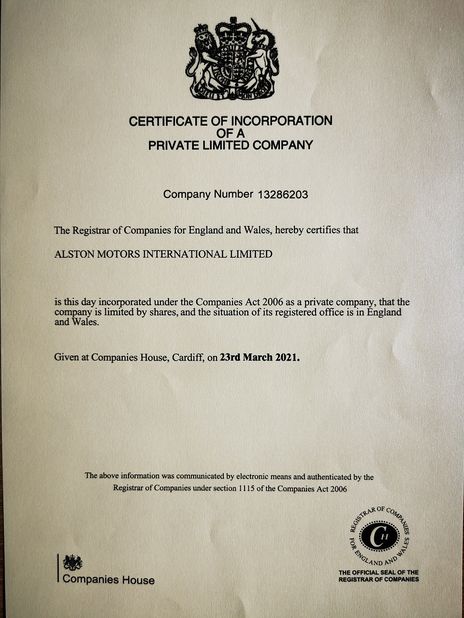
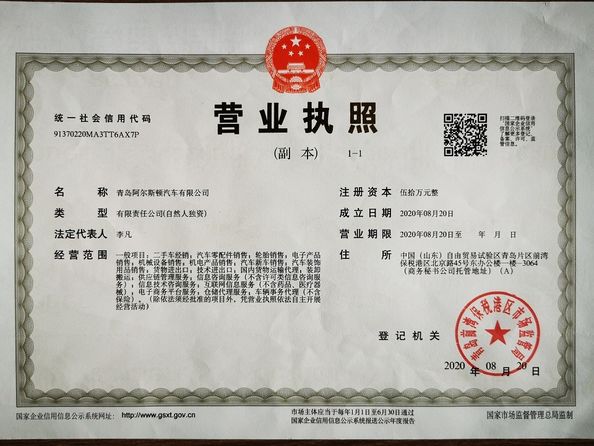
La respuesta de Qingdao Alston Motors es clara: la decisión de 6x4 versus 8x4 debe basarse en la carga útil utilizable, la densidad de material, el acceso al sitio, la capacidad del cargador, el objetivo de tonelaje diario,y condición verificada del camión ◄ no solo el número de ejes.
Los compradores también pueden revisarcómo Qingdao Alston Motors prepara los camiones para la exportacióncuando se comparan las normas de inspección y renovación.
Cuidado con elPrueba de elevación hidráulica del camión de descarga HOWO 6x4 usado.
9¿Cuándo los compradores deben elegir un 6x4, y cuándo un 8x4 vale la pena el costo adicional?
Elegir un 6x4 cuando la flexibilidad del emplazamiento y los menores costes operativos sean los más importantes; elegir un 8x4 cuando las toneladas más altas por viaje mejoren directamente la producción del proyecto.
Un 6x4 es el defecto más fuerte para cambiar sitios de construcción, excavación de cimientos, obras municipales, contratos de movimiento de tierras más pequeños, acceso restringido y ciclos de recorrido más cortos.Un 8x4 vale el costo adicional cuando una excavadora o cargadora grande puede llenarlo rápidamente, la carretera de transporte es ancha y firme, y una mayor carga útil reduce el número total de viajes.
| Condición del proyecto |
Opción de inicio recomendada |
| Acceso restringido al sitio |
6x4 |
| Rutas cortas y cambiantes |
6x4 |
| Objetivo de movimientos de tierra moderados diarios |
6x4 |
| Gran operación de corte y relleno |
8x4 |
| Carretera de transporte interior ancha y preparada |
8x4 |
| Objetivo de toneladas altas por turno |
8x4 |
| Zona de vertido suave o insegura |
Mejorar las condiciones del sitio primero |
Antes de ordenar, proporcione el tipo de material, la densidad esperada, la distancia transportada, el objetivo de tonelaje diario, el tamaño del cubo de carga, el ancho de la carretera, la pendiente máxima, el mercado de destino y el volumen de la carrocería preferido cuando ustedsolicitar una recomendación de proyecto 6x4 u 8x4.
Preguntas frecuentes
¿Es suficiente un camión de 6x4 HOWO para el trabajo de tierra?
Un 6x4 es adecuado para muchos proyectos de cimientos, drenaje, trabajos de carreteras y movimientos de tierra de corta distancia cuando la carga útil y el acceso al sitio coinciden con el chasis.
¿Cuándo es mejor un 8x4?
Elige un 8x4 cuando el proyecto requiera un mayor tonelaje diario, el cargador puede llenarlo eficientemente y las carreteras anchas y firmes soportan el chasis más grande.
¿Un 8x4 siempre lleva más legalmente?
No, la carga legal depende del peso de la correa, los límites del eje, las reglas de peso bruto, el peso del cuerpo, los neumáticos y las regulaciones de destino.
¿Un 8x4 tiene más ejes accionados?
Los camiones camiones HOWO 6x4 y 8x4 utilizan dos ejes traseros.
¿Qué configuración es más fácil de maniobrar?
Un 6x4 es normalmente más fácil de girar y retroceder en sitios de construcción confinados debido a su chasis más corto.
¿Qué camión cuesta menos operar?
Un 6x4 suele costar menos cuando su carga útil es suficiente. Un 8x4 se vuelve más económico cuando su mayor capacidad de viaje reduce los ciclos de transporte.
¿Qué se debe comprobar antes de comprar?
Inspeccionar el motor, el embrague, la caja de cambios, los ejes, la dirección, los frenos, el chasis, los neumáticos, el sistema hidráulico, la carrocería de descarga y el rendimiento completo del ensayo en carretera.
Escrito por: Bruce Li, consultor de exportación
Revisado por: Equipo técnico y de exportación de Alston Motors
Empresa: Qingdao Alston Motors Co., Ltd.

 ¡Su mensaje debe tener entre 20 y 3.000 caracteres!
 Spanish