¿Cómo comprobar el sistema de elevación hidráulica en un camión volquete HOWO usado?
El sistema hidráulico de un camión volquete HOWO usado debe levantarse suavemente, sostener el cuerpo del volquete sin deriva visible y no mostrar fugas de aceite alrededor de mangueras, válvulas, PTO, bomba, camisas de cilindro o bisagras de pivote. Los compradores deben probar el ciclo de elevación, el estado del aceite, la estabilidad de la presión y el soporte estructural antes de confirmar el precio o el envío de exportación.
1. Comience con un recorrido hidráulico completo
Un recorrido visual ayuda a los compradores a encontrar riesgos hidráulicos obvios antes de arrancar el motor o levantar la caja del volquete.
Verifique las mangueras de elevación principales, los accesorios prensados, el tanque hidráulico, las conexiones de la bomba, la válvula de distribución, las líneas de la TDF, la base del cilindro y el área de pivote trasero. en uncamión volquete HOWO usado, las mangueras suelen envejecer más rápido en áreas de trabajo calientes, polvorientas o con mucha humedad. Goma agrietada, malla de alambre expuesta, accesorios mojados o manchas de aceite debajo del chasis son señales de advertencia.
No se deben ignorar las pequeñas fugas. Un ligero goteo de aceite al ralentí puede convertirse en una fuga grave cuando el sistema levanta un volquete de 20 m³ o manipula material de cantera. Si varias mangueras están duras, hinchadas o agrietadas, los compradores deben incluir el costo de reemplazo en la discusión del precio final.
2. Verifique la condición del aceite hidráulico antes de realizar la prueba.
El estado del aceite hidráulico proporciona una indicación rápida del estado de la bomba, la válvula y el cilindro.
Abra el tanque hidráulico con cuidado y verifique el color, el olor y la contaminación del aceite. El aceite hidráulico saludable debe verse limpio y consistente. El aceite lechoso suele significar contaminación del agua. Un olor a quemado sugiere sobrecalentamiento. Las partículas metálicas brillantes en la varilla medidora, el filtro o el tapón de drenaje pueden indicar desgaste interno de la bomba o rayado de la válvula.
Para muchos compradores de exportaciones que comparanCamiones HOWO usados a la venta en China, el estado del aceite es una de las formas más sencillas de juzgar si un camión ha recibido el mantenimiento adecuado. Un sistema sucio aún puede levantarse durante una prueba breve, pero puede dañar los sellos, bloquear válvulas y reducir la velocidad de elevación después de su llegada.
3. Pruebe el compromiso de la TDF y la respuesta de la bomba
La toma de fuerza debe activarse suavemente y transferir potencia a la bomba hidráulica sin chirridos, demoras ni ruidos anormales.
Arranque el camión, mantenga el motor al ralentí, presione el embrague y active la toma de fuerza desde el control de la cabina. Un PTO en buen estado suele responder en 2 o 3 segundos. Escuche si hay chirridos, traqueteos o gemidos agudos. Estos ruidos pueden indicar engranajes de la TDF desgastados, mala adaptación de la transmisión, baja presión de aire o resistencia de la bomba.
Verifique también la línea de aire al actuador de la PTO. Si la presión del aire es inestable o está por debajo del rango de trabajo normal, es posible que la PTO no se engrane completamente. En trabajos de cantera o construcción, un acoplamiento incompleto puede dañar los dientes de los engranajes y reducir la presión hidráulica durante los ciclos de elevación repetidos.
4. Inspeccione el cilindro telescópico en plena extensión
El cilindro telescópico es una de las piezas más caras del sistema hidráulico de un camión volquete.
Levante la caja del volcador sobre un terreno plano y sólido e inspeccione cada camisa de cilindro en su extensión completa. Busque rayones profundos, desconchones de cromo, picaduras de óxido, dobleces o aceite alrededor de los sellos. Las marcas verticales largas son especialmente riesgosas porque pueden romper los sellos durante la elevación y el descenso.
Un cilindro que parece limpio pero se mueve de manera desigual aún puede tener desgaste en el sello interno. Para un camión volquete HOWO 6x4 u 8x4, el cilindro debe permanecer alineado con el bastidor auxiliar cuando la carrocería alcanza el ángulo de inclinación normal. Cualquier movimiento lateral o torsión debe tratarse como una advertencia estructural, no sólo como un problema hidráulico.
5. Utilice parámetros claros durante la prueba de levantamiento
Una buena inspección debería registrar resultados mensurables, no sólo impresiones visuales.
La siguiente tabla de referencia puede ayudar a los compradores a juzgar si el sistema hidráulico está lo suficientemente saludable para minería, construcción, canteras o transporte de agregados.
| Artículo de inspección |
Referencia saludable |
Señal de advertencia |
| Tiempo de levantamiento del cuerpo vacío |
Alrededor de 15 a 20 segundos |
Más de 30 segundos |
| Presión de trabajo normal |
Alrededor de 19 a 21 MPa |
Por debajo de 16 MPa |
| aceite hidraulico |
Aceite antidesgaste limpio L-HM46 |
Lechoso, oscuro, quemado o metálico |
| ángulo de inclinación |
Aproximadamente 43°–45° |
Menos de 40° |
| Prueba de deriva del cilindro |
Menos de 5 mm en 10 minutos |
Más de 15 mm en 10 minutos |
| Respuesta de la toma de fuerza |
Compromiso fluido |
Moler, retrasar o deslizarse |
Estas cifras deben utilizarse como referencias prácticas de inspección. Los resultados reales pueden variar según el tamaño de la carrocería, la marca del sistema hidráulico, la velocidad del motor, la temperatura del aceite y el estado del camión.
6. Ejecute el ciclo de elevación y observe si hay estremecimientos
La caja del volquete debe levantarse suavemente sin sacudidas, sacudidas ni cambios repentinos de velocidad.
Durante la prueba, levante la carrocería vacía a unas 1.200 RPM y observe el ciclo completo de elevación. Si el cuerpo se estremece, se mueve de manera desigual o se detiene durante el levantamiento, es posible que el sistema tenga aire en las líneas hidráulicas, un nivel de aceite bajo, un rendimiento débil de la bomba o una fuga en la válvula interna.
No realice la prueba en suelo blando o irregular. Una superficie inclinada puede hacer que un buen sistema parezca inestable y también puede doblar el cilindro. La mejor zona de prueba es un patio de hormigón plano donde se pueda observar el camión desde el lateral y desde atrás. Este también es el mejor momento para comprobar si las bisagras traseras y el bastidor auxiliar permanecen alineados.
7. Realice una prueba de seguridad de retención de carga de 10 minutos
Una prueba de retención de carga muestra si la válvula de control y los sellos del cilindro pueden mantener la presión después del levantamiento.
Levante la caja volcadora hasta la mitad, pare el motor y deje el sistema en la posición de espera durante 10 minutos. Marque la posición del cilindro o mida la altura del cuerpo. Si el cilindro cae claramente durante la prueba, es posible que existan fugas internas dentro de la válvula de control, los sellos del cilindro o el circuito hidráulico.
Esta prueba es importante porque la caída repentina del cuerpo crea un riesgo grave para la seguridad del sitio. Los compradores nunca deben permanecer debajo de una caja volcadora elevada sin un soporte de seguridad mecánico. Si la carrocería no puede mantener su posición durante una prueba simple en el patio, el camión no debe aceptarse para trabajos pesados hasta que se repare la falla.
8. Verifique los controles de la cabina, las válvulas de aire y la protección de límite
Los controles de la cabina deben coincidir con precisión con el movimiento real de la caja del volquete.
Pruebe las funciones de elevación, sujeción y descenso desde el asiento del conductor. La palanca o joystick debe responder claramente sin juego libre excesivo. La respuesta retrasada puede deberse a conexiones desgastadas, líneas neumáticas con fugas, presión de aire débil o una válvula piloto atascada.
También revise la válvula de límite y el sistema de parada mecánica. Si el control de límite está defectuoso, el cilindro puede extenderse demasiado durante la elevación. La extensión excesiva puede dañar el cilindro, el bastidor auxiliar o la estructura de las bisagras. Un adecuadoGuía de inspección de camiones volquete HOWO usadosSiempre debe incluir tanto la función hidráulica como la seguridad del control, porque los dos sistemas trabajan juntos durante la descarga.
9. Inspeccione el bastidor auxiliar, las bisagras pivotantes y el soporte trasero.
Un sistema hidráulico fuerte aún necesita una estructura de caja de volteo recta y estable.
Compruebe el bastidor auxiliar, los pasadores de las bisagras traseras, el soporte de elevación, la base del cilindro, los travesaños y las costuras de soldadura. Los camiones de minería y canteras suelen transportar piedras pesadas, suelo húmedo o cargas desiguales, que pueden torcer el bastidor auxiliar o desgastar el eje de pivote trasero. Si la caja del volquete se inclina hacia un lado durante el levantamiento, inspeccione la estructura antes de culpar al cilindro.
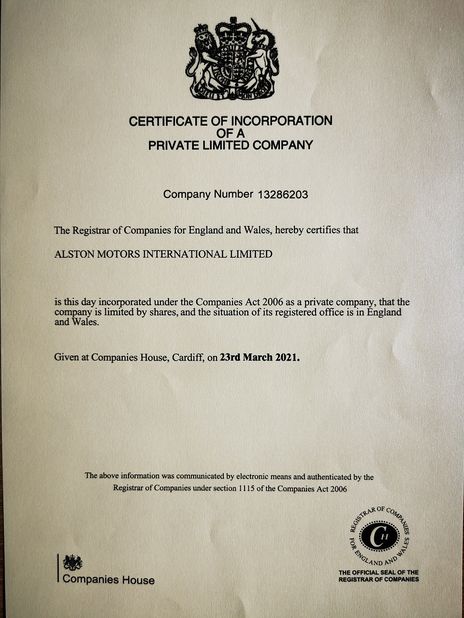
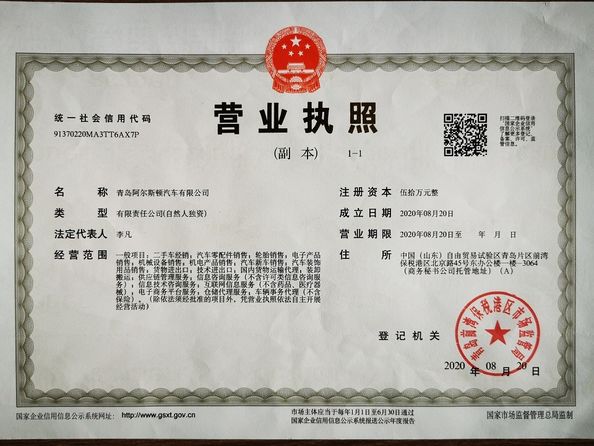
Qingdao Alston Motors verifica el sistema de elevación hidráulico, la respuesta de la TDF, el movimiento del cilindro, el estado del bastidor auxiliar y la estabilidad de vuelco antes de la exportación, lo que ayuda a los compradores extranjeros a confirmar si un camión volquete HOWO reacondicionado es adecuado para la construcción, canteras, minería o transporte de agregados.
10. Estimar el costo de reparación antes de la negociación del precio final
Los resultados de la inspección hidráulica deben convertirse en una lista práctica de costos de reparación.
Por ejemplo, dos mangueras nuevas de alta presión, un cambio de aceite hidráulico y varios accesorios pueden representar un costo manejable. Una bomba débil, un cilindro rayado, una válvula de control dañada o un subchasis agrietado son mucho más graves. Los compradores deben registrar cada falla con fotos y videos antes de confirmar el precio final.
Si el camión se está preparando para envío a granel, Ro-Ro o Flat-Rack, se debe realizar una reparación hidráulica importante antes de la entrega en puerto. Reparar una falla hidráulica después de la llegada puede aumentar el tiempo de inactividad, el costo de la mano de obra local y el riesgo de manipulación en puerto. Para fotografías de inspección, confirmación de carga y soporte para la preparación de exportaciones, los compradores puedenpóngase en contacto con nuestro equipo de ingenieríaantes del envío.
Preguntas frecuentes
¿Qué aceite hidráulico se usa comúnmente para un camión volquete HOWO?
El aceite hidráulico antidesgaste L-HM46 se usa comúnmente para condiciones de trabajo estándar. En áreas muy calurosas o aplicaciones de minería pesada, algunos operadores pueden elegir un aceite hidráulico de mayor viscosidad después de confirmar el clima local, el estado de la bomba y las recomendaciones del proveedor.
¿Cuánto tiempo debe tardar en levantarse una caja volcadora HOWO?
Una caja volquete vacía de 20 m³ normalmente debería alcanzar su ángulo de vuelco normal en unos 15 a 20 segundos a la velocidad adecuada del motor. Si el levantamiento demora más de 30 segundos, se debe verificar la bomba, el nivel de aceite, la válvula de control o las fugas internas.
¿Por qué la caja basculante tiembla durante el levantamiento?
Las sacudidas o estremecimientos a menudo son causados por aire en las líneas hidráulicas, nivel bajo de aceite, aceite sucio, sellos desgastados o presión inestable de la bomba. Los compradores deben repetir la prueba después de verificar el nivel de aceite y purgar el sistema si es necesario.
¿Es aceptable una camisa de cilindro hidráulico rayada?
Las marcas superficiales ligeras pueden ser manejables, pero los rayones verticales profundos, el descascaramiento del cromo, las picaduras de óxido o el aceite alrededor de los sellos son riesgosos. Estos defectos pueden dañar los sellos y causar pérdida de presión durante el levantamiento o sujeción de la carga.
¿Puedo inspeccionar el sistema hidráulico sin manómetro?
Una prueba de elevación visual puede revelar problemas obvios, pero un manómetro proporciona resultados más precisos. Para compras de exportación serias, los compradores deben combinar controles visuales, velocidad de elevación, pruebas de deriva, inspección de aceite y medición de presión cuando sea posible.
Escrito por: Equipo editorial de Alston Motors
Revisado por: Equipo técnico y de exportación
Empresa: Qingdao Alston Motors Co., Ltd.
Acerca del equipo editorial de Alston Motors:
El equipo editorial de Alston Motors comparte conocimientos prácticos sobre camiones HOWO, semirremolques, vehículos comerciales, automóviles usados y soluciones de exportación reacondicionados para África y otros mercados en desarrollo. El contenido se basa en la experiencia de la empresa en inspección de vehículos, reacondicionamiento, coordinación de exportaciones, soporte de repuestos y servicio al cliente para compradores extranjeros.

 ¡Su mensaje debe tener entre 20 y 3.000 caracteres!
 Spanish