Camión cisterna de agua HOWO usado para construcción, fumigación de carreteras y suministro de agua
Un camión cisterna de agua HOWO usado es una opción rentable para la construcción, fumigación de carreteras, control de polvo y suministro temporal de agua cuando su tanque, bomba, boquillas, chasis, frenos y documentos de exportación se inspeccionan antes del envío.
1. ¿Qué es un camión cisterna de agua HOWO usado?
Un camión cisterna de agua HOWO usado es un chasis resistente reacondicionado equipado con un tanque de agua, bomba, tuberías, válvulas, boquillas rociadoras y una plataforma de trabajo trasera. Las unidades HOWO 6x4 comunes transportan entre 15.000 y 25.000 litros, lo que las hace adecuadas para obras de construcción, proyectos de carreteras, obras municipales y suministro de agua rural.
La mayoría de los camiones cisterna HOWO utilizan motores diésel de 336 CV o 371 CV, combinados con cajas de cambios manuales de 10 velocidades y ejes traseros de alta resistencia. Para los compradores africanos, esta configuración es práctica porque las piezas HOWO, como filtros, forros de freno, discos de embrague, inyectores y componentes de suspensión, se suministran ampliamente en muchos mercados en desarrollo.
Un bien reformadoCamión cisterna de agua HOWO usado para construcción y fumigación de carreterasDebe inspeccionarse tanto como camión como como sistema de agua. El chasis debe funcionar de manera segura, mientras que la bomba, el tanque, las tuberías, las válvulas y las boquillas deben funcionar continuamente en condiciones del sitio de 8 a 10 horas.
2. Principales aplicaciones de los camiones cisterna de agua
Las principales aplicaciones incluyen fumigación de carreteras, supresión de polvo, suministro de agua para obras de construcción, paisajismo, apoyo al riego, limpieza de carreteras y suministro de agua de emergencia. En proyectos de carreteras en Ghana, Kenia, Nigeria, Tanzania, Zambia y Zimbabwe, un camión cisterna de 20.000 litros puede servir en varios puntos de trabajo dependiendo de la distancia de recarga y el estado de la carretera.
Los contratistas de la construcción utilizan camiones cisterna para reducir el polvo, apoyar la compactación del suelo, lavar equipos y suministrar agua donde no hay tuberías fijas disponibles. En proyectos de temporada seca, los caminos temporales sin agua pueden convertirse en polvo en 1 a 2 horas, lo que afecta la visibilidad, la seguridad de los trabajadores, los residentes cercanos y la vida útil de los filtros de aire y los neumáticos.
La demanda de suministro de agua también respalda el uso a largo plazo. El informe del Programa Conjunto de Monitoreo OMS/UNICEF 2025 afirma que 2.100 millones de personas en todo el mundo todavía carecían de agua potable gestionada de forma segura en 2024, incluidas 106 millones de personas que utilizaban fuentes de agua superficial no tratada. Esto explica por qué los camiones cisterna siguen siendo útiles en las zonas rurales y periurbanas. (联合国儿童基金会)
3. Capacidad del tanque y opciones del sistema de pulverización
Las capacidades comunes de los tanques de agua HOWO usados incluyen 10.000 litros, 15.000 litros, 20.000 litros y 25.000 litros. Un camión de 10.000 a 15.000 litros es más fácil para las carreteras urbanas, mientras que una unidad 6x4 de 20.000 litros suele ser la preferida para la construcción de carreteras, caminos mineros, zonas de canteras y suministro de agua a sitios de larga distancia.
Un sistema de aspersión completo generalmente incluye aspersor frontal, aspersor trasero, aspersor lateral, salida por gravedad, salida asistida por bomba y cañón de agua trasero. Un cañón de agua en buen estado normalmente puede rociar entre 25 y 35 metros, mientras que los aspersores traseros son más útiles para cubrir caminos anchos y polvorientos a baja velocidad de trabajo.
El cuerpo del tanque debe tener deflectores internos, acceso a boca de acceso, salida de desbordamiento, drenaje inferior, revestimiento anticorrosión y soportes de montaje resistentes. Sin deflectores, un tanque de 20.000 litros medio lleno puede generar una oleada de líquido durante el frenado, lo que aumenta el riesgo de inestabilidad en pendientes, caminos de grava o rutas de construcción sin terminar.
4. Inspección de bombas de agua, tuberías y boquillas
La bomba de agua debe probarse bajo carga durante al menos 10 a 15 minutos antes de comprarla. Es posible que una bomba gire normalmente pero aun así no genere suficiente presión para usar el rociador frontal, el aspersor trasero o el cañón de agua. Los compradores deben comprobar la vibración, las fugas, la velocidad de succión, el ruido anormal y la presión de salida.
Se deben revisar las tuberías para detectar óxido, fugas, obstrucciones, juntas agrietadas, malas reparaciones de soldadura y abrazaderas flojas. Muchos camiones cisterna HOWO utilizan conexiones de tubería de 50 mm o 65 mm, e incluso una pequeña fuga puede desperdiciar cientos de litros por día cuando el camión trabaja continuamente en largas rutas de fumigación.
Las boquillas deben rociar uniformemente de izquierda a derecha a lo ancho del vehículo. Si un lado está débil, la causa puede ser boquillas bloqueadas, tuberías corroídas, presión desigual de la bomba o válvulas de control dañadas. Una prueba previa al envío adecuada debe verificar al menos 5 posiciones: delantera, trasera, lateral, cañón y salida de gravedad.
Basado en la experiencia de inspección en África, Qingdao Alston Motors recomienda probar cada válvula por separado en lugar de arrancar solo la bomba principal. Esto es importante porque un camión puede pasar un video de conducción básico, pero aun así fallar en el trabajo de fumigación después de 2 a 3 días en un sitio de construcción.
5. Verificaciones del estado del chasis y del motor
Un camión cisterna de agua usado primero debe inspeccionarse como camión pesado. El motor debe arrancar suavemente, funcionar en ralentí de manera constante, evitar el humo azul denso y mantener la presión del aceite estable después del calentamiento. Para los motores HOWO WD615, el sobrecalentamiento, la mezcla de aceite y agua, los golpes anormales o la compresión débil pueden indicar un alto costo de reparación.
Se debe revisar el chasis para detectar deformaciones del bastidor, grietas en la suspensión, fugas de aceite del eje, daños en la cámara del freno, desgaste de los neumáticos, respuesta de la caja de cambios y holgura de la dirección. Un camión cisterna 6x4 que transporta 20.000 litros necesita frenos y suspensión fiables porque el peso de trabajo es mucho mayor que el peso del vehículo vacío.
Los neumáticos y frenos merecen mucha atención antes de la exportación. Reemplazar entre 8 y 10 neumáticos de camiones pesados después de su llegada puede costar más de lo que muchos compradores esperan, y los frenos débiles son peligrosos en caminos cuesta abajo. Para países como Tanzania, Ruanda, Zambia y Etiopía, el estado del sistema de refrigeración también es importante en condiciones de calor y polvo.
6. Camión cisterna de agua usado versus camión cisterna de combustible
Un camión cisterna de agua usado y un camión cisterna de combustible pueden parecer similares, pero sus funciones y requisitos de seguridad son diferentes. Un camión cisterna se centra en el flujo de la bomba, el ancho de pulverización, el tratamiento anticorrosión y la eficiencia de descarga, mientras que un camión cisterna de combustible requiere dispositivos antiestáticos, válvulas de emergencia, compartimentos sellados y accesorios de seguridad contra incendios.
Los camiones cisterna suelen transportar líquidos no inflamables y pueden utilizar sistemas de rociadores frontales, rociadores traseros, rociadores laterales y cañones de agua. Los camiones de combustible necesitan un diseño de compartimentos más estricto, válvulas de respiración, cadenas de puesta a tierra, sistemas de corte de emergencia y control de fugas porque el transporte de diésel o gasolina genera riesgos de incendio y medioambientales.
Los compradores no deberían simplemente convertir un camión cisterna de combustible usado en un camión cisterna sin una limpieza, modificación e inspección profesionales. Para la mayoría de los contratistas, unCamión cisterna de agua HOWO de 20.000 litroses más seguro, más fácil de mantener y más adecuado para la fumigación de carreteras y el suministro de agua en el sitio.
7. Factores de precio de los camiones cisterna de agua HOWO usados
El precio de un camión cisterna de agua HOWO usado depende del año del chasis, el estado del motor, la capacidad del tanque, la calidad de la bomba, el estado de los neumáticos, el tipo de dirección, el estándar de emisiones, el nivel de renovación y los requisitos del destino. En las cotizaciones de exportación de China, muchos camiones cisterna HOWO de 20.000 litros cuestan entre 14.000 y 20.000 dólares antes del envío, dependiendo de los resultados de la inspección.
La capacidad del tanque afecta fuertemente el precio porque los tanques más grandes requieren más acero, un montaje más resistente, mejor soldadura y un equilibrio más cuidadoso. Un tanque de 25.000 litros puede transportar más agua, pero un camión de 15.000 a 20.000 litros puede funcionar mejor cuando las carreteras son estrechas, los puentes son débiles o las obras de construcción tienen un espacio limitado para girar.
Los compradores africanos deberían calcular el costo total del envío, no sólo el precio en fábrica. El envío, los cargos portuarios, los derechos de aduana, el transporte terrestre, las tarifas de inspección, los repuestos y las reparaciones locales pueden cambiar el costo final entre un 15% y un 30%. Un camión más barato puede resultar caro si necesita neumáticos, frenos, reparación de bombas o repintado.
El Banco Mundial señala que África subsahariana alcanzó un 68% de acceso a al menos servicios básicos de agua en 2024, pero el acceso rural fue solo del 53%. Esta brecha ayuda a explicar por qué el equipo de transporte de agua sigue siendo importante tanto para los proyectos de construcción como para el suministro temporal de agua en las comunidades rurales. (世界银行)
8. Preparación para la exportación y el envío
La preparación para la exportación debe incluir pruebas de motores, inspección de frenos, pruebas de fugas de tanques, pruebas de bombas, pruebas de boquillas, verificación de neumáticos, limpieza del chasis, inspección de baterías, confirmación de documentos y registros de fotografías o videos. Para los camiones cisterna, los compradores deben solicitar videos de pulverización y descarga desde al menos 3 a 5 posiciones de trabajo antes del envío.
La mayoría de los camiones cisterna de agua HOWO 6x4 son demasiado grandes para contenedores estándar, por lo que el envío de carga Ro-Ro o a granel es más común. Los puertos de destino africanos pueden incluir Lagos, Tema, Mombasa, Dar es Salaam, Durban, Beira y Walvis Bay, y el tiempo de envío a menudo depende de la ruta, el horario del barco y la congestión del puerto.
Para proyectos de exportación, Qingdao Alston Motors generalmente aconseja a los compradores que confirmen el número de chasis, el número de motor, el estado del tanque, el modelo de bomba, la disposición de las válvulas, las fotografías de los neumáticos, el estado de la cabina y la prueba de pulverización antes de cargar. Estos 8 puntos de inspección reducen los malentendidos porque un camión cisterna tiene más piezas funcionales que un camión de carga estándar.
Los compradores que también operan tractores, camiones volquete o semirremolques pueden comparar la planificación de repuestos con unCamión tractor HOWO. Las piezas compartidas, como filtros, neumáticos, baterías, piezas de frenos y componentes de embrague, pueden simplificar el mantenimiento de la flota cuando más de 3 a 5 unidades HOWO trabajan juntas.
El Banco Mundial informa que las ciudades generan alrededor del 80% del PIB mundial y se espera que casi 7 de cada 10 personas vivan en áreas urbanas para 2050. El crecimiento urbano respalda la demanda a largo plazo de carreteras, construcción, limpieza, suministro de agua y vehículos de servicio municipal. (世界银行)
9. Preguntas frecuentes sobre camiones cisterna de agua HOWO usados
P1: ¿Qué capacidad es la más popular?
Un camión cisterna HOWO 6x4 de 20.000 litros es la opción de exportación más común.
P2: ¿Puede transportar agua potable?
Sólo si se cumplen las normas locales sobre revestimiento del tanque, limpieza y agua potable.
P3: ¿336HP son suficientes?
Sí, 336 CV suelen ser suficientes para camiones cisterna de 15.000 a 20.000 litros.
P4: ¿Qué se debe probar primero?
Pruebe la bomba, las boquillas, las válvulas, los frenos, el motor, los neumáticos y las fugas del tanque.
P5: ¿Está disponible el volante a la derecha?
Sí, RHD puede adaptarse a Kenia, Tanzania, Zambia, Zimbabwe y mercados similares.
P6: ¿Cómo se envía?
La mayoría de los camiones cisterna de agua 6x4 se envían mediante Ro-Ro o buques de carga a granel.
P7: ¿Es usado más barato que nuevo?
Una unidad usada reacondicionada puede reducir el costo de compra entre un 30% y un 50%.
P8: ¿Dónde puedo consultar al proveedor?
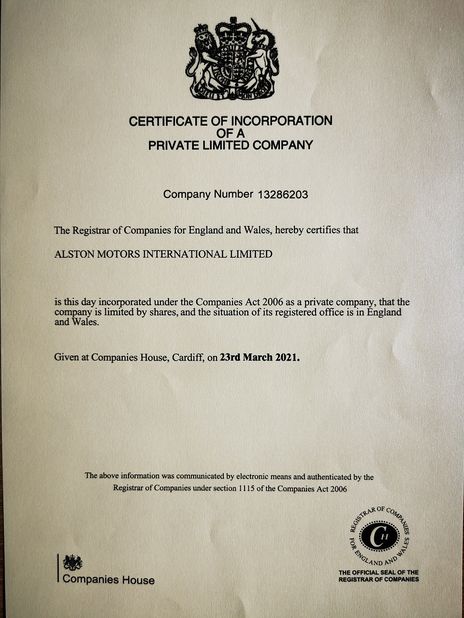
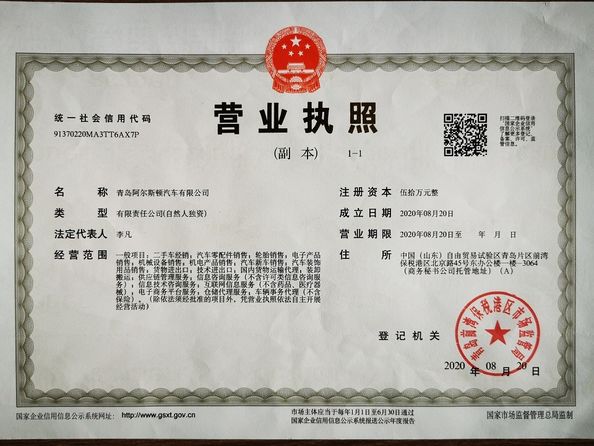
Puede revisar los antecedentes de la empresa en elPágina sobre nosotros.
Escrito por: Equipo editorial de Alston Motors
Revisado por: Equipo técnico y de exportación
Empresa: Qingdao Alston Motors Co., Ltd.
Acerca del equipo editorial de Alston Motors:
El equipo editorial de Alston Motors comparte conocimientos prácticos sobre camiones HOWO, semirremolques, vehículos comerciales, automóviles usados y soluciones de exportación reacondicionados para África y otros mercados en desarrollo. El contenido se basa en la experiencia de la empresa en inspección de vehículos, reacondicionamiento, coordinación de exportaciones, soporte de repuestos y servicio al cliente para compradores extranjeros.

 ¡Su mensaje debe tener entre 20 y 3.000 caracteres!
 Spanish