¿Cuáles son los problemas comunes de los camiones tractores HOWO usados utilizados en la logística portuaria?
Los camiones tractores HOWO usados en la logística portuaria suelen sufrir desgaste del motor, fatiga del embrague, problemas de cambio de caja de cambios, sobrecalentamiento de los frenos, suelta de la quinta rueda, daños en los neumáticos, tensión en el chasis, fallas de enfriamiento,y problemas eléctricos causados por contenedores pesados y movimientos de parada y arranque repetidos.
1¿Por qué la logística portuaria ejerce una presión adicional sobre los camiones tractores usados?
La logística portuaria genera un desgaste más intenso que el transporte por carretera normal porque los camiones tractores repiten arranques a baja velocidad, giros bruscos, ciclos cortos de frenado y el trabajo de acoplamiento de remolque muchas veces por turno.El Banco Mundial y S&P GlobalIndice de rendimiento del puerto de contenedores 2023cubierto182, 000 llamadas de buques,238.2 millones de movimientos de contenedores, y sobre381 millones de TEU, que muestra la intensidad de operación detrás de los puertos de contenedores modernos. (Banco Mundial.org)
En los puertos africanos, la carga de trabajo también está aumentando.2,005,076 TEU en 2024, hacia arriba230,5%desde1,623,080 TEU en 2023Según cifras de la Autoridad Portuaria de Kenia reportadas por la Agencia de Noticias de Kenia, más movimiento de contenedores significa más trabajo de tractores de corta distancia dentro de los patios y rutas logísticas cercanas. (¿Qué es eso? ¿Qué es eso?)
Para los compradores que comparancamiones tractores HOWO usadosEl principal riesgo no es solo la edad del vehículo. Un tractor de 6x4 puede parecer limpio después de la pintura, pero el uso en puerto puede exponer problemas de embrague, freno, neumático, refrigeración y quinta rueda dentro de los límites de la velocidad.3 ¢ 6 mesessi la inspección previa al envío es débil.
2Problemas comunes del motor que los compradores deben comprobar antes de comprar
El desgaste del motor generalmente aparece como humo negro, arranque duro, fuga de aceite, sobrecalentamiento, aceleración débil o velocidad de ralentí inestable.Motor WD615.47,9.726L de desplazamiento, yTransmisión HW19710 10 hacia adelante / 2 hacia atrás, por lo que los compradores deben confirmar si el camión coincide con su configuración declarada antes de la compra.
En el caso de la logística portuaria, el motor debe ser ensayado a temperatura de trabajo, no sólo en ralentí durante5 minutos.Los compradores deben comprobar la presión del aceite, la temperatura del refrigerante, el color del escape, el sonido del turbo, el soplado y la fuga de agua.1,000 ¥ 3.000 km.
3Problemas de caja de cambios y de embrague en las operaciones de puerto de parada y marcha
Los problemas de caja de cambios y de embrague son comunes porque los camiones de contenedores a menudo arrancan a velocidad cero bajo una fuerte resistencia del remolque.La caja de cambios manual 10F/2RLos sincronizadores desgastados, las placas de embrague débiles, el enganche de engranajes duros y el ruido del rodamiento son señales de advertencia antes de que comience el transporte de contenedores portuarios.
Una prueba práctica en carretera debe incluir al menos:3 marchas bajas,2 engranajes altos, y1 ensayo inversoSi el camión se sacude al arrancar, se resbala bajo la carga o hace ruido de metal durante el cambio, los compradores deben presupuestar para la placa de embrague, la placa de presión, el rodamiento de liberación o la reparación de la caja de cambios antes del envío.
4. Desgaste del sistema de frenos causado por el transporte de contenedores pesados
El desgaste de los frenos es un riesgo importante para la seguridad porque los camiones portuarios repiten ciclos cortos de frenado con remolques cargados.Las válvulas, mangueras, y la fuerza del freno de estacionamiento a través de todos3 ejesEl frenado irregular puede causar empuje de remolque, arrastre de neumáticos o mayor distancia de frenado.
El control del peso de los contenedores es importante porque la capacidad de frenado depende de la carga real.El 1 de julio de 2016La misma lógica de seguridad se aplica al frenado de camiones tractores en operaciones portuarias. (- ¿Qué quieres?)
5- Problemas con el chasis, la suspensión y la quinta rueda a inspeccionar
Los compradores deben comprobar el marco principal, los miembros transversales, los soportes de suspensión traseros, los asientos de resorte, el diseño de los trenes, el diseño de los vehículos y el diseño de los vehículos.base de la quinta ruedaLas reparaciones de soldadura se realizan durante más de un año.20 ̊30 cmLas zonas cercanas a las zonas de carga requieren una inspección cuidadosa.
La quinta rueda merece especial atención porque lleva carga vertical y absorbe la fuerza de giro del remolque.Aplanamiento de la placaUna quinta rueda suelta puede causar temblores en el interior del remolque.1 ¢ 2 semanasde trabajo portuario.
Para la selección de las especificaciones, la presente guíacómo elegir un camión tractor HOWO usado para el transporte de contenedores portuariosayuda a los compradores a comparar la potencia, el diseño del eje, la compatibilidad del remolque y la ruta de trabajo antes de elegir una unidad.
6Problemas con el desgaste de los neumáticos, la carga de los ejes y la dirección en los depósitos de contenedores
Los problemas de neumáticos suelen revelar fallas más profundas en el eje o en la dirección.10 ruedas, por lo que el desgaste desigual de los neumáticos puede indicar una desalineación del eje, mandrillas desgastadas, suspensión trasera sobrecargada o mal mantenimiento de la dirección.Los contenedores con curvas agudas y pavimento áspero aceleran el desgaste del hombro.
Los compradores deben medir la profundidad de la banda de rodadura en las secciones interior, central y exterior de cada neumático.El 30%En el caso de los neumáticos más desgastados que el exterior, no basta con sustituirlos por sí solos, sino que antes de la exportación se deben comprobar la posición del eje, el enlace de la dirección, el rodamiento y la geometría de la suspensión.
7Problemas eléctricos, de cabina y del sistema de refrigeración en el uso diario del puerto
Las fallas eléctricas parecen menores, pero pueden interrumpir el trabajo diario del puerto.En mercados calientes como Nigeria, Ghana, Tanzania y Angola, un camión trabajando8 ∙ 12 horaspor día necesita una refrigeración estable y la función de la cabina.
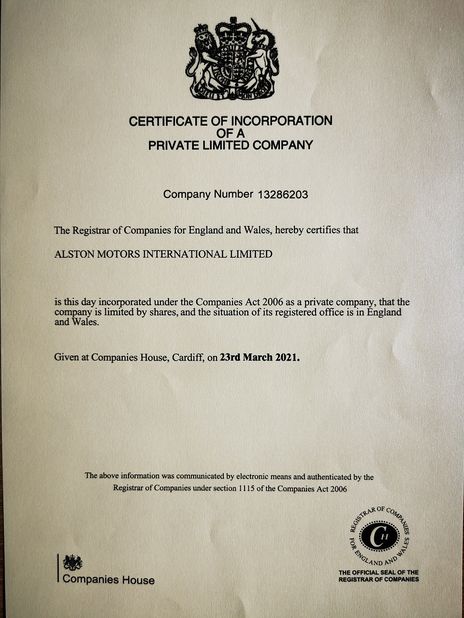
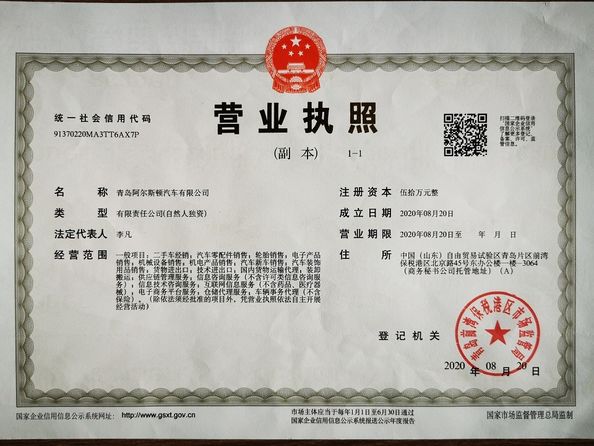
Basado en la experiencia de inspección de exportación,Qingdao Alston Motors y sus subsidiariosrecomienda comprobar el radiador, el embrague del ventilador, los cinturones, el termostato, la bomba de agua, las tuberías de refrigerante, el voltaje de la batería y los puntos de conexión a tierra antes del envío.Envase, el rendimiento del turbocompresor y el aceite del motor después devarios turnos de trabajo pesado.
Los compradores que comparan diferentes opciones de camiones chinos también pueden leer esta guía encamión tractor HOWO usado frente a otros camiones tractores chinos para el transporte de contenedores, que explica el acceso al mantenimiento, la familiaridad de las piezas, la aceptación del conductor y el costo operativo en la logística de contenedores en África.
8¿Qué deben comprobar los compradores antes de elegir un camión tractor HOWO usado para la logística portuaria?
La decisión de compra más segura comienza con unInspección de 20 puntosel motor, la caja de cambios, el embrague, los frenos, el chasis, la suspensión, la quinta rueda, los ejes, los neumáticos, la dirección, la refrigeración, la electricidad, la cabina, el ajuste del remolque, los documentos y la preparación del envío.La comparación de precios sólo debe comenzar una vez que se hayan confirmado estos puntos de inspección.
Para los compradores africanos, la mejor opción no suele ser el tractor más barato, sino el camión con el historial de estado más claro y la menor incertidumbre de reparación.mejor camión tractor HOWO utilizado para el transporte de contenedores en Áfricadeben coincidir con la carga útil, el tipo de remolque, la distancia al puerto, el estado de la carretera y la disponibilidad de repuestos.
Qingdao Alston Motors y sus subsidiariosSe recomienda solicitar videos del motor en marcha, primeros planos del chasis, fotos de los neumáticos, inspección de la quinta rueda, detalles de las pruebas de la caja de cambios, estado de los frenos, registros de renovación y fotos de carga antes del envío.Inspección por video de 15 minutosEl transporte de mercancías por carretera puede revelar problemas que pueden costar mucho más después de que el camión llegue al puerto de destino.
Preguntas frecuentes
1¿Son los camiones tractores HOWO utilizados adecuados para la logística portuaria?
Sí, si el motor, la caja de cambios, los frenos, los neumáticos y la quinta rueda pasan la inspección antes del envío.
2¿Cuál es el mayor riesgo para la logística portuaria?
El embrague, la caja de cambios y el desgaste de los frenos son los 3 principales riesgos en el trabajo de contenedores stop-start.
3¿Es 371 HP suficiente para el transporte de contenedores en el puerto?
Para muchas rutas de logística portuaria 6x4, 371HP es adecuado cuando el camión está en buenas condiciones.
4¿Deberían los compradores elegir 6x4 o 4x2?
Para contenedores pesados y carreteras africanas más accidentadas, 6x4 es generalmente más seguro.
5¿Cuáles son los problemas de la quinta rueda más importantes?
Compruebe las mandíbulas de bloqueo, el espacio libre de la clavija, los tornillos de montaje, la grasa y el desgaste de la placa.
6¿Repintar significa que el camión está reformado?
El motor, la caja de cambios, los frenos, el chasis, los neumáticos y los controles de enfriamiento importan más.
7¿Qué patrón de desgaste de las llantas es peligroso?
El desgaste irregular del interior de los neumáticos suele indicar problemas de alineación, eje, suspensión o dirección.
8¿Cuántos controles se recomiendan?
Una inspección de 20 puntos es un mínimo práctico antes de importar un camión tractor usado.
Escrito por: Equipo editorial de Alston Motors
Revisado por: Equipo técnico y de exportación
Empresa: Qingdao Alston Motors Co., Ltd.
Sobre el equipo editorial de Alston Motors:
El equipo editorial de Alston Motors comparte ideas prácticas sobre camiones HOWO renovados, semirremolques, vehículos comerciales, autos usados y soluciones de exportación para África y otros mercados en desarrollo.El contenido se basa en la experiencia de la empresa en la inspección de vehículos, renovación, coordinación de exportaciones, soporte de repuestos y servicio al cliente para compradores extranjeros.

 ¡Su mensaje debe tener entre 20 y 3.000 caracteres!
 Spanish