¿Qué tamaño y forma de cuerpo de basurero es mejor para un camión de basurero usado HOWO en el transporte de agregados?
El tamaño y la forma óptimos de la carrocería para un camión de descarga HOWO usado en el transporte de agregados dependen de la densidad del material, la carga del chasis, las condiciones de la carretera y la eficiencia de descarga.y piedras trituradas,Para los agregados más ligeros y los materiales de construcción mixtos, un cuerpo rectangular de 20 m3 puede ofrecer una mejor flexibilidad de carga.
1. Compare el tamaño del cuerpo de la basura con la densidad agregada
El tamaño de la carrocería de descarga debe seleccionarse por el peso de la carga útil, no solo por el volumen cúbico.
La arena seca de los ríos puede ser más ligera que la arena húmeda, mientras que el granito, el basalto,y la piedra de cantera densa puede sobrecargar rápidamente un camión si el cuerpo es demasiado grandeUna carrocería de 24 m3 puede parecer atractiva, pero puede tentar a los operadores a sobrecargar el camión más allá de los límites de carga de eje seguros.
Para el transporte de agregados, los compradores deben calcular la carga útil en toneladas estimadas por metro cúbico.Si el camión lleva agregados más ligeros, material de base de la carretera, o cargas de construcción mixtas, una carrocería de 20 m3 puede ser adecuada cuando el chasis y las normas de carretera lo permiten.
2. Elija entre los cuerpos rectangulares y los cuerpos de descarga en forma de U
La forma del cuerpo del vertedero afecta la velocidad de descarga, la adhesión del material, el centro de gravedad y el desgaste a largo plazo.
Un cuerpo rectangular tradicional tiene paredes laterales rectas y un piso plano. Es útil para materiales de construcción mixtos, piedras más grandes y trabajos donde los cargadores pueden dejar caer materiales irregulares en la caja.El piso plano más ancho también puede facilitar la carga para algunas operaciones de cantera y construcción de carreteras.
Un cuerpo en forma de U tiene un piso curvo y menos esquinas afiladas. Este diseño ayuda a que la arena húmeda, la grava fina, el suelo y el agregado pegajoso se deslicen más suavemente durante la inclinación.un cuerpo en forma de U puede reducir el tiempo de descarga y disminuir la posibilidad de que el material permanezca en una esquina durante el levantamiento.
| Tipo de carrocería de descarga |
El mejor uso |
Ventajas principales |
Nota del comprador |
| Cuerpo rectangular |
Piedras grandes, cargas de construcción mixtas, escombros |
Suelo plano fuerte y carga flexible |
Más material puede pegarse en las esquinas |
| Cuerpo en U |
Arenas, grava, áridos finos, suelo húmedo |
Descarga más rápida y menor peso de la tarea |
Menos adecuado para impactos pesados de grandes rocas |
| Cuerpo compacto de 16m3 18m3 |
Carreteras densas y accidentadas |
Ayuda a controlar la sobrecarga |
Lo mejor para materiales pesados |
| Cuerpo de 20 m3 |
Transporte de agregados ligeros y transporte regional |
Más volumen por viaje |
Deben coincidir el chasis y la carga del eje. |
3Compruebe el grado de la placa de acero y la resistencia al desgaste.
El acero de la carrocería del vertedero debe coincidir con el nivel de abrasión del agregado que se transporta.
La arena, la grava y la piedra triturada raspan el suelo y las paredes laterales cada vez que el camión es cargado y descargado.El acero estructural Q345B puede ser práctico si el suelo y el espesor de la pared lateral son adecuadosPara la explotación de canteras pesadas, el acero resistente al desgaste, como el NM450 o la placa equivalente a Hardox, es a menudo una mejor opción.
Para los compradores que comparan las opciones de acero,Placas de acero resistentes al desgaste de la clase HardoxEs una referencia útil para comprender por qué la resistencia a la abrasión es importante en los cuerpos de descarga, los cuerpos de deslizamiento y el manejo de materiales pesados.pero también para reducir el desgaste del sueloEl coste de reparación después de meses de transporte de agregados.
4Confirme el espesor del piso y de las paredes laterales.
El grosor del cuerpo debe coincidir con el impacto de carga, no solo con el modelo de camión mencionado.
Para el transporte ordinario de arena, grava y carreteras, muchos compradores eligen alrededor de paredes laterales de 5 mm y un piso de 8 mm.Las especificaciones más fuertes, como paredes laterales de 8 mm y pisos de 10 mm12 mm, pueden ser más adecuadas.La elección exacta depende del tamaño del material, de la altura del cargador, de los desplazamientos diarios y de la vida útil prevista.
Un piso delgado puede desarrollar abolladuras, grietas y desgaste desigual. Estas depresiones pueden atrapar agregados húmedos, acelerar la corrosión y afectar la descarga.Los compradores deben comprobar el piso desde el interior del cuerpo y desde debajo del submarco, especialmente alrededor de los miembros transversales, zonas de bisagra trasera y soldaduras de reparación anteriores.
5. Reduce la adhesión del material durante la descarga
La adhesión del material es una de las principales razones por las que la forma del cuerpo de la basura es importante en el transporte de agregados.
La arena húmeda, el suelo rico en arcilla y el agregado fino pueden adherirse a las esquinas de las cajas o a la pared delantera.especialmente en terrenos de canteras irregularesEsto no siempre causa un fallo inmediato, pero aumenta el riesgo de descarga y ralentiza los ciclos de trabajo diarios.
Un cuerpo en forma de U reduce la adhesión porque el piso curvo ayuda al material a deslizarse hacia el portón trasero.y limpieza regularEn regiones frías o húmedas, algunos operadores utilizan calefacción por suelo o revestimientos de baja fricción, pero estas opciones sólo deben seleccionarse cuando las condiciones de trabajo justifican el coste adicional.
6Revisa la lona y el control de derrames en la carretera.
El transporte público de agregados por carretera a menudo requiere un mejor control del polvo, el derrame de grava y el material suelto.
Un camión que transporta arena o piedras puede dejar polvo y piedras pequeñas en las carreteras públicas si el cuerpo no está cubierto.un sistema mecánico o eléctrico de lonas puede ayudar a reducir los derrames y mejorar el cumplimiento de las normas locales de seguridad vial.
Al inspeccionar un camión descargador HOWO usado, los compradores deben comprobar si ya están instalados soportes de lonas, ganchos laterales, barandillas de cubierta y puntos de bloqueo traseros.Es posible actualizar un sistema de cubierta más tarde, pero los puntos de montaje al estilo de la fábrica suelen ser más limpios y más fuertes que la soldadura en bruto del mercado posventa.
7. Compare el volumen de la carrocería con el chasis HOWO 6x4 o 8x4
La capacidad de la carrocería de descarga deberá coincidir con la distancia entre ejes del chasis, la carga del eje y la ruta de trabajo.
El transporte de agregados de 16m320m3 se realiza normalmente con un camión de descarga HOWO 6x4 usado, dependiendo de la densidad del material y de las normas de circulación locales.Un camión 8x4 más grande puede llevar una carrocería más larga y distribuir el peso en más ejes, que puede ser útil para un agregado más ligero, rutas más largas y mayor volumen diario.
Una carrocería de gran tamaño en un chasis corto de 6x4 puede sobrecargar los ejes traseros, aumentar el desgaste de los neumáticos, reducir la seguridad de frenado y hacer que el camión sea más difícil de controlar en pendientes.camión de descarga HOWO usado para el transporte de agregadosdebe confirmar la distancia entre ejes, la capacidad del eje trasero, el tamaño del neumático, el estado de la suspensión y la densidad de material esperada antes de elegir el volumen de la carrocería.
8Inspeccionar el sistema de elevación hidráulica.
Un sistema de elevación hidráulica fiable es esencial para la descarga segura de agregados.
El agregado pesado ejerce una alta presión sobre el cilindro de elevación, la bomba de aceite, las válvulas, el subarmazón y la bisagra trasera.Un cilindro telescópico montado en el frente es comúnmente preferido para camiones camiones pesados porque ofrece una mejor estabilidad de elevación y un ángulo de elevación fuerteSin embargo, la condición del cilindro importa más que el nombre de la marca sola.
Antes del envío, los compradores deben solicitar una prueba de elevación completa con el cuerpo levantado y bajado varias veces. El cilindro debe extenderse sin problemas sin temblar, fugas de aceite o ruido anormal.El depósito de aceite hidráulico, mangueras, sellos, bomba, válvula de control, bisagra trasera y soporte de seguridad también deben inspeccionarse cuidadosamente.
9Revisa el submarco, el portón trasero, las bisagras y las reparaciones anteriores.
El cuerpo del vertedero puede parecer nuevo después de la repintura, pero la inspección estructural sigue siendo necesaria.
Los camiones de agregados usados a menudo trabajan en carreteras accidentadas, canteras y áreas de carga pesada.y las soldaduras de paredes laterales pueden desarrollar grietas o deformacionesEstas áreas deben ser revisadas antes de pagar porque las reparaciones después de la llegada pueden ser costosas.
Lista de comprobación de la inspección de los desechos HOWO utilizados
| Punto de inspección |
Qué comprobar |
Por qué es importante |
| Bajo el piso de la carrocería |
espesor, abolladuras, grietas y desgaste |
Afecta la vida útil y la seguridad |
| Paredes laterales |
Condición de la placa, deformación, marcas de reparación |
Muestra el historial de impacto y carga |
| Submarco |
Saldas, piezas transversales, puntos de montaje |
Soporta cargas de deslizamiento pesadas |
| Las bisagras traseras |
Desgaste, óxido, movimiento y alineación de las alfileras |
Control de elevación y bajada seguras |
| Bloqueo de la puerta trasera |
Acciones de ganchos, cadenas, sellado, apertura |
Previene las fugas de material |
| Sistema hidráulico |
Cíclo, mangueras, bomba de aceite, válvula, fugas |
Asegura una descarga estable |
10Confirmar la inspección de exportación antes del envío.
Los camiones de descarga HOWO usados para el transporte de agregados deben comprobarse en condiciones reales de trabajo antes de la exportación.
Antes del envío, los compradores deben solicitar fotos o videos que muestren el arranque del motor, el cambio de caja de cambios, el estado del chasis, el estado de los neumáticos, la inspección de los frenos, el piso de la carrocería, las paredes laterales, la bisagra trasera,Bloqueo de la puerta traseraUn acabado de pintura limpio es útil, pero no puede probar la caja, el sistema hidráulico o la condición del submarco.
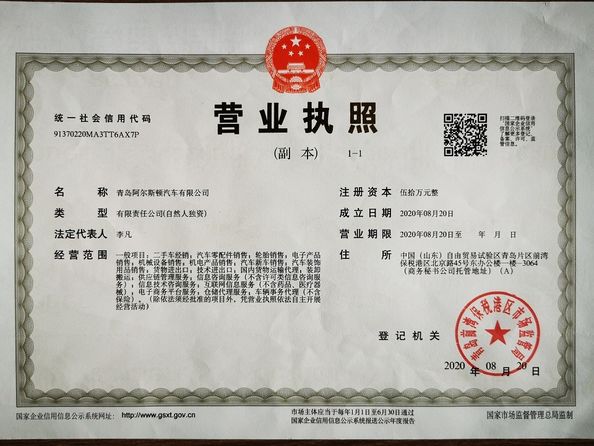
Qingdao Alston Motors suministra camiones de descarga HOWO usados inspeccionados para el transporte de agregados, con controles previos al envío que cubren el tamaño del cuerpo del descarga, la forma en U o el estado rectangular del cuerpo, el grosor del suelo,Saldas de subarmazones, cilindro de elevación hidráulica, bisagra trasera, bloqueo de la puerta trasera, neumáticos, frenos y preparación de la carga de exportación.
Para una selección más amplia de camiones, los compradores pueden revisarcamiones HOWO usados para la exportaciónPara obtener más detalles sobre el flujo de trabajo de renovación, las normas de inspección y el soporte para el envío internacional, visiteQingdao Alston Motors inspección de camiones de descarga y apoyo a la exportaciónPara confirmar el tamaño de la carrocería de descarga disponible, la configuración del chasis, el método de envío y el costo del puerto de destino, puedesolicitar una cotización de camión de descarga HOWO usado.
Preguntas frecuentes
¿Qué tamaño de carrocería es el mejor para el transporte de agregados pesados?
Para la arena pesada, grava y piedra triturada, un cuerpo de 16m318m3 es generalmente más seguro porque ayuda a controlar la sobrecarga.Una carrocería de 20 m3 puede ser práctica para agregados más ligeros cuando la capacidad del chasis y las reglas de carretera locales lo permiten..
¿Es mejor un cuerpo en forma de U que un cuerpo rectangular?
Un cuerpo en forma de U es mejor para arena húmeda, grava fina, suelo y agregado pegajoso porque el material se desliza más fácilmente.y condiciones de carga mixta.
¿Qué espesor de suelo es adecuado para el trabajo de agregación de cantera?
Para el transporte de agregados estándar, es común un piso de 8 mm. Para piedras pesadas de cantera o impactos frecuentes de cargadores, un piso de 10 mm con acero resistente al desgaste más fuerte puede ser más adecuado.
¿Qué debo inspeccionar en un cuerpo usado de un vertedero HOWO?
Compruebe el espesor del piso, las paredes laterales, las soldaduras del subarmazón, la bisagra trasera, el candado de la puerta trasera, el cilindro de elevación hidráulico, marcas de reparación anteriores, óxido,y si el cuerpo se eleva y baja suavemente durante el ensayo.
¿Qué método de envío es adecuado para camiones volquetes HOWO usados?
Los camiones de descarga HOWO usados se envían generalmente por buque Ro-Ro o buque de granel.y documentos de exportación antes de la salida.
Escrito por:Equipo editorial de Alston Motors
Revisado por:Equipo técnico y de exportación
Compañía:Qingdao Alston Motors Co., Ltd. y sus subsidiarias
Sobre el equipo editorial de Alston Motors:
El equipo editorial de Alston Motors comparte ideas prácticas sobre camiones HOWO renovados, semirremolques, vehículos comerciales, autos usados y soluciones de exportación para África y otros mercados en desarrollo.El contenido se basa en la experiencia de la empresa en la inspección de vehículos, renovación, coordinación de exportaciones, soporte de repuestos y servicio al cliente para compradores extranjeros.

 ¡Su mensaje debe tener entre 20 y 3.000 caracteres!
 Spanish