¿Cuál es el mejor camión mezclador de hormigón HOWO utilizado para la entrega de hormigón listo para mezclar?
El camión mezclador de hormigón HOWO mejor utilizado para la entrega de hormigón listo para mezclarse es generalmente un modelo 6x4 renovado con un tambor de 10m312m3, motor 336371HP, sistema hidráulico inspeccionado, reductor confiable,y radio de entrega ajustado a las operaciones locales de la planta de hormigón.
1. Mejor utilizado HOWO camión mezclador de hormigón para la entrega de hormigón de mezcla lista: respuesta directa
Para la mayoría de los proveedores de hormigón preparado, la mejor opción es un camión de mezclador de hormigón HOWO usado de 6x4 con un tambor de 10m3 o 12m3, motor de 336HP 371HP y tambor de mezclador verificado, bomba hidráulica, reductor,sistema de rodillosEsta configuración equilibra el volumen de transporte, el costo de compra, la flexibilidad de la carretera y la disponibilidad de repuestos.
Una mezcladora de 10 m3 es generalmente más segura para rutas urbanas y de corta distancia, especialmente cuando los sitios de trabajo se encuentran a menos de 30 a 60 km de la planta de batch.Pero necesita un mejor acceso por carretera.Los compradores pueden comenzar por comparar los modelos comunes en el mercado.camión de mezclador de hormigón HOWO usadola categoría.
2. Lo que requiere la entrega de hormigón listo para mezclar de un camión mezclador HOWO usado
La entrega de hormigón preparado requiere un camión que pueda mantener el hormigón operable, girar el tambor constantemente, descargar sin problemas y sobrevivir a frecuentes ciclos cortos de operación.Un radio de entrega práctico es a menudo de 30 a 60 km., pero esto depende del tráfico, la temperatura, el diseño de la mezcla, el tiempo de descarga, el estado de las carreteras y el tiempo de espera en el sitio.
Según la guía de especificaciones NRMCA 2026, el límite de descarga fijo de 90 minutos ha sido eliminado de la norma ASTM C94 y el plazo de entrega debe ser fijado por el comprador y el productor.Esto hace que la fiabilidad del vehículo sea más importante porque la mala rotación del tambor, el retraso hidráulico o la larga espera en el sitio pueden afectar directamente la calidad del hormigón.
La demanda del mercado también apoya una planificación cuidadosa de la flota.La actualización regional del Banco Mundial para África 2026 proyecta un crecimiento del 4,1% en el África subsahariana en 2026,Mientras que el Banco Africano de Desarrollo proyecta la economía de África en 4Para los proveedores de concreto, esto significa que la demanda de infraestructura y construcción puede continuar, pero el equipo debe seleccionarse cuidadosamente para controlar el riesgo operativo.
3. 10m3 vs 12m3 Usado Cómo camión mezclador de hormigón: ¿Qué capacidad es mejor?
Un camión mezclador de hormigón HOWO de 10 m3 usado es generalmente mejor para la entrega flexible de mezcla lista, mientras que un modelo de 12 m3 es mejor para rutas estables y de mayor volumen.Acceso al sitio, el ancho de la carretera, el costo del combustible, la habilidad del conductor y si el camión espera a menudo en sitios de trabajo llenos de gente.
Para los pequeños y medianos proveedores de hormigón, 10m3 es a menudo la primera opción más segura, ya que reduce el estrés operativo y mejora la flexibilidad de las rutas.carreterasSin embargo, elegir 12m3 sólo porque parece más rentable puede crear problemas de neumáticos, frenos, suspensión y carga del eje.
| Punto de trabajo |
10m3 mezclador HOWO usado |
12m3 mezclador HOWO usado |
| Mejor uso |
Entrega urbana y en emplazamientos mixtos |
Rutas de entrega de mayor volumen |
| Chasis común |
6x4 |
6x4 o 8x4 |
| Alcance práctico del motor |
336 ∼ 371 CV |
371 CV o más preferido |
| Condición de la ruta |
Las carreteras más estrechas son aceptables |
Necesidad de un mejor acceso por carretera |
| Ventajas principales |
Flexibilidad y menor riesgo |
Más volumen por viaje |
| Principales riesgos |
Volumen de viaje más bajo |
Una mayor tensión de funcionamiento |
4. 6x4 vs 8x4 camión mezclador de hormigón usado: ¿Cuál chasis es mejor?
Un camión mezclador de hormigón HOWO usado de 6x4 es generalmente el mejor chasis general para la entrega de mezcla lista de 10m312m3, mientras que 8x4 es mejor para una capacidad de tambor más grande y rutas de carga más pesada.Para muchos mercados de exportación, 6x4 ofrece un mantenimiento más fácil, un menor costo de compra y un mejor acceso al sitio.
Un camión mezclador de 8x4 puede soportar tambores más grandes, como 14m316m3, pero no es automáticamente mejor. Necesita carreteras más anchas, una gestión de neumáticos más fuerte, más espacio de giro y una mejor planificación de mantenimiento.Si el camión sirve principalmente calles urbanas estrechas, pequeños proyectos de viviendas o entradas de sitios ásperos, una unidad 6x4 bien reformada puede ofrecer una mejor eficiencia diaria.
5¿Qué potencia del motor y caja de engranajes son los mejores para la entrega de hormigón preparado?
Para la entrega de hormigón preparado, 336HP 371HP es una gama de motores práctica para la mayoría de los camiones mezcladores HOWO 6x4 usados, mientras que 371HP o superior es preferible para rutas montañosas, tambores más pesados,y caminos de acceso de construcción accidentadaLa caja de cambios debe desplazarse sin problemas bajo carga sin resbalar, golpear o retrasar la respuesta.
La potencia del motor es importante porque los camiones mezcladores de hormigón funcionan bajo carga continua, parada frecuente y movimiento lento del sitio.Un camión puede arrancar normalmente en el patio, pero aún así funciona mal en pendientes si el embragueLos compradores deben solicitar un video de arranque en frío, verificación de ralentí, verificación de humo, prueba de carretera corta e inspección de la condición de carga cuando sea posible.
Para los compradores que comparan los vehículos pesados relacionados, elopciones de camiones HOWO renovadosLas especificaciones de los camiones mezcladores pueden ayudarles a compararlas con las de los camiones de descarga, los camiones tractores, los camiones cisterna y otros vehículos de transporte de construcción.
6Cómo inspeccionar el tambor, las hojas, la bomba hidráulica y el reductor del mezclador
El tambor del mezclador, las cuchillas, la bomba hidráulica, el reductor, los rodillos y el sistema de agua son las piezas más importantes para inspeccionar en un camión mezclador de hormigón HOWO usado.Un chasis fuerte no es suficiente si el tambor no puede girar sin problemas, descargar uniformemente, o mantener el hormigón mezclado durante el transporte.
Una inspección práctica debe abarcar el desgaste de la pared del tambor, el estado interno de la cuchilla, la rotación hacia adelante y hacia atrás, las vibraciones anormales, las fugas de aceite hidráulico, el ruido del reductor, el desgaste de los rodillos, la función del tanque de agua,estado del paracaídasLos compradores también deben comprobar si el hormigón endurecido se ha acumulado dentro del tambor porque la acumulación reduce la capacidad real y aumenta la carga de operación.
Lista de verificación de las inspecciones previas a la compra
| Punto de inspección |
Condición aceptable |
| Rotación del tambor |
Rotación fluida hacia adelante y hacia atrás |
| Bombas hidráulicas |
No hay fugas, presión estable, no hay ruido anormal |
| Reducción |
No hay golpes, sobrecalentamiento o fugas de aceite pesadas |
| Las hojas del tambor |
No hay desgaste grave, grietas o secciones faltantes |
| Las demás |
Incluso el contacto, sin deformación grave |
| Sistema de agua |
El tanque, la válvula y la tubería funcionan normalmente |
| El chasis |
No hay grietas graves en el marco o soldadura insegura |
| Conducción de prueba |
Respuesta estable del frenado, la dirección, el embrague y la caja de cambios |
7. Utilizado HOWO Los factores de precio de los camiones mezcladores de hormigón de China
El precio de un camión mezclador de hormigón HOWO usado procedente de China se ve afectado principalmente por el año, el estado del chasis, la capacidad del tambor, la marca del sistema hidráulico, el estado del reductor, el estado de los neumáticos, el nivel de renovación,posición de la direcciónEn la experiencia normal de cotización de exportación, muchas unidades caen en torno a USD 17 000 ¥ 29 000 FOB, pero este no es un precio oficial fijo de mercado.
Un precio de compra más bajo no siempre significa un costo total más bajo.o problemas de frenos pueden requerir varios miles de dólares en reparaciones después de la llegadaUna unidad de mayor precio con hidráulicos inspeccionados, tambor más limpio, mejores neumáticos, repintura y pruebas de prueba puede ser más rentable para la entrega diaria de mezcla lista.
Los compradores que necesiten más conocimientos técnicos pueden comparar este tema con elUtilizado HOWO camión mezclador de hormigón para proyectos de construcciónEl transporte de los vehículos de transporte público y de transporte público es una de las actividades más importantes de la Comunidad.
8Documentos de exportación, envío y chequeos previos al envío para compradores extranjeros
Los compradores extranjeros deben confirmar los documentos de exportación, las fotos de inspección, el número de chasis, el número del motor, la factura, los detalles del embalaje, el lado del volante,y método de envío antes de pagar el saldo y organizar la entrega al puertoPara los camiones mezcladores de hormigón, el buque de carga y el Ro-Ro son a menudo más prácticos que el envío de contenedores estándar porque la altura del camión y la estructura del tambor pueden exceder los límites del contenedor.
Para los envíos en contenedores, la norma SOLAS VGM de la OMI requiere una masa bruta verificada antes de que un contenedor envasado sea cargado en un buque.Los compradores deberían centrarse más en las fotos de carga en el puerto., condiciones de sujeción, protección de la batería, presión de los neumáticos, normas sobre el nivel de combustible y si las partes expuestas están protegidas antes de la salida.
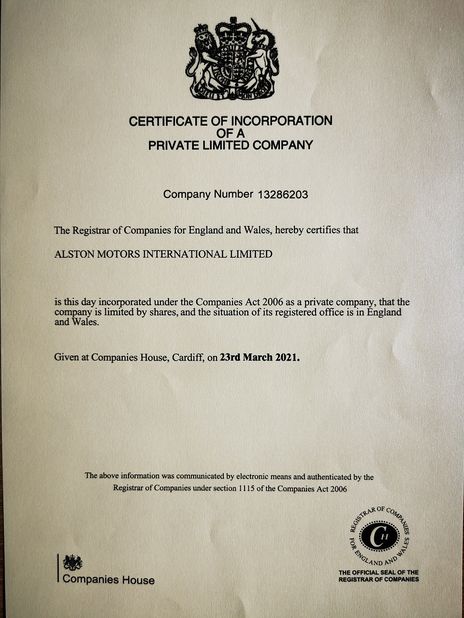
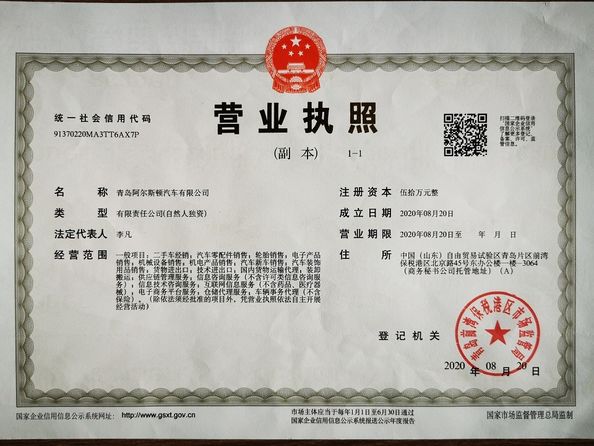
Qingdao Alston Motors suele tratar la exportación de camiones mezcladores de hormigón como un proceso técnico y logístico combinado: inspección de vehículos, confirmación de renovación, reporte de fotos o videos,documentación de exportación, entrega en puerto y coordinación del transporte marítimo.Esto es importante porque los documentos retrasados o la preparación de la carga poco clara pueden interrumpir la planificación de la flota antes de que el camión llegue a la planta de batch.
Antes del envío, los compradores deben solicitar fotos exteriores, fotos de la cabina, video del motor, video de rotación del tambor, prueba del sistema hidráulico, fotos de neumáticos, fotos del número de vehículo o de la placa del chasis y fotos de carga.Un comprador práctico también puede comparar un modelo disponible, como unaCamión de mezclador de hormigón HOWO 371HP 6x4 usado, con la dirección del mercado objetivo, las condiciones de la ruta y los requisitos de importación.
9. Cómo elegir un proveedor fiable de camiones mezcladores de hormigón usados HOWO
Un proveedor fiable debe explicar el estado real del vehículo, no sólo proporcionar fotos atractivas.,Si el proveedor no puede proporcionar pruebas, el riesgo de compra es mayor.
Qingdao Alston Motors recomienda hacer coincidir el camión con el radio de entrega diaria del comprador, la demanda de capacidad del tambor, el acceso al sitio, el lado del volante, el plan de repuestos,y ruta de envío antes de confirmar la unidad finalEsto evita un error común: comprar un camión mezclador grande que se vea potente pero que no coincida con las carreteras locales, los límites de carga o los patrones de envío de la planta.
Una simple consulta debe incluir el país de destino, el lado del volante, la capacidad requerida del tambor, el estado de la carretera, el radio de entrega esperado, el presupuesto preferido y el tiempo de envío previsto.Solicitar una cotización de camión mezcladorpara comparar las unidades disponibles y confirmar si un modelo de 10m3, 12m3, 6x4 u 8x4 es más adecuado.
Preguntas frecuentes sobre cómo se usan los camiones mezcladores de hormigón para la entrega de mezcla lista
1. ¿Cuál es la mejor capacidad del tambor para un camión de mezcladora de hormigón HOWO usado?
Para la mayoría de las rutas de entrega de mezcla lista, 10m312m3 es el rango más práctico. Equilibra la carga útil, el acceso por carretera, el uso de combustible y el costo de compra.
2¿Es suficiente un camión de mezclador de hormigón HOWO usado de 6x4 para la entrega de mezcla lista?
Sí, un modelo 6x4 suele ser adecuado para la entrega de mezcla lista de 10m312m3, especialmente para rutas urbanas, suburbanas y de media distancia.
3¿Cuándo deben los compradores elegir un camión mezclador de hormigón 8x4?
Elige 8x4 cuando la ruta soporte vehículos más pesados y el proyecto necesite una capacidad de tambor más grande, generalmente 14m316m3 o más.
4¿Hasta dónde puede llegar un camión de hormigón usado HOWO?
Muchas rutas de mezcla lista están planeadas dentro de un rango de 30 a 60 km, pero la distancia real depende del tráfico, la temperatura, el diseño de la mezcla, el tiempo de espera en el sitio y las condiciones de entrega acordadas.
5¿Qué partes deben inspeccionarse primero?
El tambor, las cuchillas, la bomba hidráulica, el reductor, los rodillos, el motor, la caja de cambios, los neumáticos y los frenos deben inspeccionarse antes de comprarlos.
6¿Cuánto cuesta un camión usado HOWO mezclador de hormigón de China?
Muchas unidades listas para la exportación están cotizadas en torno a USD 17,000 29,000 FOB, dependiendo de la capacidad, el chasis, el nivel de renovación y la condición.
7¿Cuál es el mayor error de compra?
El mayor error es elegir sólo por el bajo precio o el gran tamaño del tambor sin comprobar el rendimiento hidráulico, el estado del reductor, el desgaste del tambor y la idoneidad de la ruta.
Fuentes y notas: Las referencias del contexto del mercado incluyen el Banco Africano de Desarrollo Perspectivas económicas africanas 2026, el Banco Mundial 2026 Actualización económica de África,la guía de especificaciones de NRMCA 2026 para mezclas listasLas especificaciones de los vehículos, los puntos de inspección y los rangos de precios se basan en las configuraciones comunes del mercado de exportación y la experiencia práctica en la inspección de camiones usados.
Escrito por: Equipo editorial de Alston Motors
Revisado por: Equipo técnico y de exportación
Empresa: Qingdao Alston Motors Co., Ltd.
Sobre el equipo editorial de Alston Motors:
El equipo editorial de Alston Motors comparte ideas prácticas sobre camiones HOWO renovados, semirremolques, vehículos comerciales, autos usados y soluciones de exportación para África y otros mercados en desarrollo.El contenido se basa en la experiencia de la empresa en la inspección de vehículos, renovación, coordinación de exportaciones, soporte de repuestos y servicio al cliente para compradores extranjeros.

 ¡Su mensaje debe tener entre 20 y 3.000 caracteres!
 Spanish