¿Qué especificaciones debo comprobar antes de comprar un semirremolque de plataforma para logística portuaria?
Antes de comprar un semirremolque de plataforma para logística portuaria, verifique la compatibilidad del contenedor, la disposición del bloqueo giratorio, el grado de acero de la viga principal, la capacidad del eje, el sistema de frenos, los neumáticos, el tren de aterrizaje y el tratamiento anticorrosión. Para el transporte frecuente de contenedores portuarios, un semirremolque de plataforma de tres ejes y 40 pies con acero Q345B, 12 cierres giratorios, ejes de alta resistencia y protección de pintura de grado marino suele ser la opción más práctica.
1. Haga coincidir la longitud de la plataforma con las necesidades de transporte de contenedores
Un semirremolque de plataforma para logística portuaria debe coincidir primero con los tamaños de contenedores que su flota maneja con mayor frecuencia.
Los operadores portuarios pueden mover un contenedor de 40 pies, dos contenedores de 20 pies, un contenedor único centrado de 20 pies u ocasionalmente un contenedor alto de 45 pies. Si la longitud del remolque, la posición del bloqueo giratorio y la estructura de la plataforma no coinciden con estos tipos de contenedores, el comprador puede enfrentar retrasos en la carga, voladizos inseguros, mala distribución del peso por eje o rechazo en las puertas del puerto y en los puntos de control del interior.
Para la planificación del tamaño del contenedor,Dimensiones del contenedor de carga ISO 668Es una referencia más relevante que los documentos generales de seguridad aduanera porque cubre las dimensiones y clasificaciones estándar de los contenedores de carga. En términos prácticos de compra, la mayoría de las flotas de logística portuaria deben confirmar si el remolque está diseñado para operar con contenedores de 20, 40, 45 pies o mixtos antes de confirmar el pedido.
2. Verifique el diseño del bloqueo por giro
El diseño del cierre giratorio decide si el remolque puede manejar diferentes combinaciones de contenedores de forma segura.
Es posible que una plataforma plana básica solo tenga suficientes cerraduras giratorias para un contenedor de 40 pies. Esto puede funcionar para rutas simples, pero limita la flexibilidad cuando la flota necesita transportar dos contenedores de 20 pies o un contenedor de 20 pies centrado en el chasis. En la logística portuaria, esto puede reducir la eficiencia del despacho y generar más viajes de regreso vacíos.
Para mayor flexibilidad, suele ser más práctico un diseño de bloqueo de 12 giros. Permite a los operadores asegurar una caja de 40 pies, dos cajas de 20 pies o una caja de 20 pies centrada con un mejor equilibrio de carga por eje. Los compradores también deben verificar si los cierres giratorios se retraen completamente dentro de la plataforma cuando el remolque transporta acero, maquinaria, paletas u otra carga que no sea un contenedor.
3. Verifique el grado y el espesor del acero de la viga principal
La viga principal es la columna vertebral estructural de un semirremolque de plataforma, por lo que se debe comprobar cuidadosamente la calidad y el espesor del acero.
Los remolques de logística portuaria se enfrentan a repetidas cargas de contenedores, colocación de grúas, giros cerrados, frenado y vibraciones de la carretera. Si la viga principal está hecha con acero débil o soldadura deficiente, el remolque puede doblar el marco, agrietarse cerca de los travesaños o deformarse la plataforma a largo plazo. Estos problemas son costosos de reparar y pueden interrumpir los programas de transporte de contenedores.
Para uso pesado, el acero de alta resistencia Q345B es una opción práctica común, mientras que el acero T700 puede seleccionarse cuando el comprador desea una tara más baja con un fuerte rendimiento de tracción. Los compradores deben confirmar la altura de la viga principal, el espesor del ala superior, el espesor del ala inferior, el espesor de la placa del alma, el espaciado de los travesaños y la calidad de la soldadura antes de ordenar unSemirremolque de plataforma para logística portuaria.
| Parte Estructural |
Especificación común de servicio pesado |
Por qué es importante |
| Acero de viga principal |
Q345B o T700 |
Resiste la flexión y la fatiga del marco. |
| Brida superior |
14 mm–16 mm |
Maneja la compresión hacia abajo |
| Brida inferior |
16 mm–18 mm |
Resiste doblarse bajo contenedores cargados. |
| Placa web |
8 mm–10 mm |
Soporta la fuerza de la viga vertical. |
| travesaños |
Espaciado reforzado |
Soporta carga de plataforma y contenedor. |
4. Confirmar la protección marina anticorrosión
Los remolques portuarios trabajan en entornos costeros, por lo que el tratamiento anticorrosión no es opcional.
El aire salado, la lluvia, los patios de carga mojados y el agua estancada pueden dañar rápidamente el acero expuesto, los pernos, el cableado, las piezas de los frenos y los travesaños. Un remolque que parece limpio en el momento de la entrega puede mostrar óxido alrededor del marco, los soportes de suspensión y el sistema de iluminación en unos meses si el tratamiento de la superficie es débil.
Una mejor especificación debería incluir granallado antes de pintar, imprimación rica en zinc y capa protectora duradera. Los compradores deben inspeccionar la parte inferior, la placa del pivote central, los soportes de suspensión, los travesaños, los bolsillos con cierre giratorio y el área del parachoques trasero. Estas áreas acumulan humedad y es más probable que se oxiden que la plataforma superior plana.
5. Inspeccionar el pivote central, el tren de aterrizaje y la placa del acoplador superior
La resistencia del pivote central y del tren de aterrizaje es importante porque la logística portuaria a menudo implica operaciones frecuentes de caída y gancho.
En los patios de contenedores concurridos, los tractores pueden dejar las plataformas cargadas sobre el tren de aterrizaje mientras mueven otros remolques. Si el tren de aterrizaje es débil o la placa superior del acoplador es demasiado delgada, los impactos repetidos del acoplamiento pueden crear deformaciones, una mala conexión del tractor o fallas durante el estacionamiento con carga.
Para el transporte de contenedores portuarios de servicio pesado, los compradores deben verificar si el remolque utiliza un perno rey de 2 o 3,5 pulgadas, el grosor de la placa superior y la capacidad nominal del tren de aterrizaje. A menudo se prefiere un pivote central forjado de 3,5 pulgadas para operaciones más pesadas o de alta frecuencia. El tren de aterrizaje debe elevarse suavemente bajo carga y permanecer estable en terreno terminal irregular.
6. Haga coincidir los ejes, la suspensión y los frenos con el peso del contenedor
La configuración del eje determina la seguridad con la que el remolque transporta cargas intermodales pesadas.
Un semirremolque estándar de plataforma de tres ejes es común en la logística portuaria porque equilibra la capacidad de carga útil, el costo de los neumáticos y el cumplimiento de las carreteras. Los compradores deben confirmar si el remolque utiliza ejes de 13 o 16 toneladas, suspensión mecánica o suspensión neumática, y si las marcas de ejes y las piezas de repuesto son fáciles de conseguir en el mercado de destino.
La suspensión mecánica de ballestas a menudo se prefiere para caminos en mal estado y con menores costos de mantenimiento. La suspensión neumática puede mejorar la calidad de marcha y la protección de la carga, pero requiere una mayor disciplina de mantenimiento. Para compradores que combinan remolques con unCamión tractor HOWO usado para transporte de contenedoresTambién se deben verificar antes del envío la altura de la quinta rueda, la compatibilidad de las líneas de freno, los enchufes eléctricos y la coincidencia del perno rey.
7. Elija neumáticos adecuados para terminales estrechas
Los neumáticos de los remolques portuarios deben soportar cargas pesadas y giros repetidos a baja velocidad.
Los patios de contenedores suelen tener carriles estrechos, puntos de giro bruscos y superficies de hormigón. Durante las curvas cerradas, los remolques de varios ejes experimentan fricción en los neumáticos, especialmente cuando están muy cargados. Los neumáticos de baja calidad pueden desgastarse rápidamente, agrietarse en las paredes laterales o sufrir separación de la banda de rodadura durante la entrega de contenedores a larga distancia.
Las opciones de neumáticos comunes incluyen neumáticos radiales 12.00R20 o 315/80R22.5, según el mercado y los hábitos de mantenimiento del comprador. Para controlar los costos a largo plazo, los compradores deben confirmar la clasificación de las capas de los neumáticos, el estado de las llantas, la disponibilidad de los neumáticos de repuesto y si el diseño del remolque permite un reemplazo más fácil de los neumáticos. Si el remolque regresa vacío con frecuencia, un eje elevable puede reducir el desgaste de los neumáticos y el consumo de combustible.
8. Verifique el ABS, las líneas de aire, las luces y el sistema eléctrico
Un remolque de plataforma portuaria debe tener sistemas confiables de frenado e iluminación para pasar los controles de seguridad vial y de la terminal.
Los contenedores pesados aumentan la distancia de frenado, especialmente en carreteras costeras mojadas. Un sistema de frenos de aire débil, un tanque de aire con fugas, una válvula de relé retardada o un cableado ABS deficiente pueden crear riesgos de seguridad y causar problemas de entrada en terminales más estrictas. Los compradores deben verificar el estado de los tanques de aire, las cámaras de freno, las válvulas de relé, las tuberías de aire, los sensores ABS y las zapatas de freno.
La iluminación también es importante para el movimiento nocturno en puertos y la conducción en autopistas. Las luces LED selladas, los mazos de cables protegidos y los conectores resistentes a la humedad son mejores para uso costero. El cableado abierto y el aislamiento deficiente pueden fallar rápidamente en ambientes salados o húmedos, lo que genera trabajos de reparación repetidos para los operadores de flotas.
9. Compare la versatilidad de la plataforma con la eficiencia del remolque esquelético
Un semirremolque de plataforma es más versátil que un remolque esqueleto exclusivo, pero los compradores deben comparar las necesidades reales de la ruta antes de decidirse.
Un remolque esqueleto tiene una tara menor y es eficiente para el transporte únicamente de contenedores. Sin embargo, no puede transportar fácilmente acero, maquinaria, paletas, troncos, cemento en sacos o carga general en los viajes de regreso. Si su flota regresa a menudo de destinos del interior sin contenedores, una plataforma puede crear mejores oportunidades de regreso.
Para una ruta que sólo mueve contenedores entre el puerto y los patios cercanos, un remolque esqueleto puede ser más eficiente. Para la logística portuaria mixta y el transporte terrestre, suele ser más práctico un camión de plataforma. Los compradores que comparen ambas opciones pueden revisar elguía de remolque esqueleto vs remolque de plataformaantes de elegir una configuración de flota.
10. Confirmar la inspección previa al envío y la preparación de exportación
Un semirremolque de plataforma debe inspeccionarse antes del envío, no juzgarse únicamente por la pintura y las fotografías.
Antes de exportar, los compradores deben solicitar fotografías o videos de la viga principal, los travesaños, los cierres giratorios, la placa del pivote central, el tren de aterrizaje, los ejes, la suspensión, los neumáticos, los frenos, el sistema de iluminación, la superficie de pintura y el número de chasis. Si el remolque se enviará en un barco granelero, se deben proteger las partes expuestas y se deben confirmar las fotografías de carga antes de la salida.
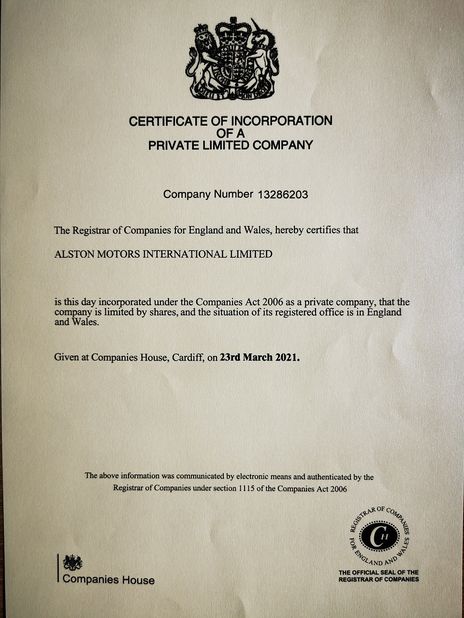
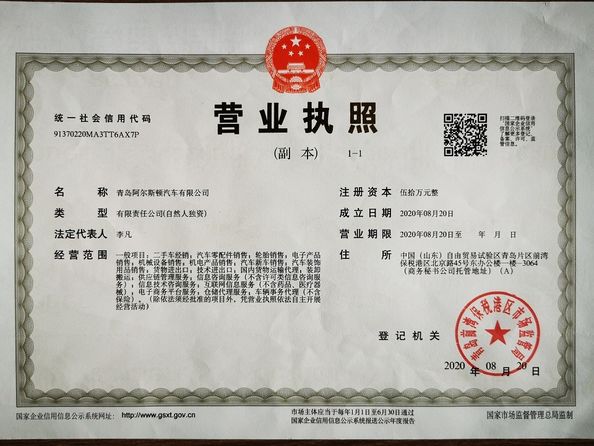
Qingdao Alston Motors suministra semirremolques de plataforma para logística portuaria y transporte de contenedores, con soporte de inspección que cubre la calidad del acero de la viga principal, el diseño del bloqueo giratorio, la configuración del eje, el sistema de frenos, los neumáticos, el tren de aterrizaje, el tratamiento anticorrosión y la preparación del envío de exportación.
Para obtener más información sobre el flujo de trabajo de inspección de remolques, control de calidad y soporte para envíos internacionales, visiteQingdao Alston Motors inspección de remolques y apoyo a la exportación. Para confirmar la longitud del remolque, la configuración del eje, la disposición de las cerraduras del contenedor, las opciones de neumáticos y el costo del puerto de destino, puedeSolicite una cotización de semirremolque de plataforma..
Preguntas frecuentes
¿Cuál es el mejor tamaño de semirremolque de plataforma para la logística portuaria?
Un semirremolque de plataforma de tres ejes y 40 pies suele ser la opción más práctica para la logística portuaria. Puede manejar el transporte de contenedores estándar y aun así ofrecer flexibilidad para acero, maquinaria, paletas y carga general en viajes de regreso.
¿Cuántas cerraduras de giro debe tener un remolque de plataforma portuaria?
Se recomienda un diseño de bloqueo de 12 giros para una operación de puerto flexible. Permite que el remolque transporte un contenedor de 40 pies, dos contenedores de 20 pies o un contenedor centrado de 20 pies con una mejor distribución de la carga.
¿Es el acero Q345B suficiente para un semirremolque de plataforma?
Sí, el acero de alta resistencia Q345B es una opción común y práctica para remolques de plataforma de servicio pesado. Los compradores también deben verificar el espesor de las vigas, la calidad de la soldadura, el espacio entre los travesaños y los requisitos de carga útil reales del remolque.
¿Debo elegir suspensión mecánica o suspensión neumática?
La suspensión mecánica es duradera, de menor costo y más fácil de mantener en muchos mercados de exportación. La suspensión neumática ofrece una mejor calidad de marcha, pero requiere un mantenimiento más limpio y suele ser más adecuada para compradores con un mayor soporte de servicio.
¿Por qué es importante el tratamiento anticorrosión para los remolques portuarios?
Los remolques portuarios trabajan cerca de aire salado, lluvia y patios húmedos. Sin un granallado, una imprimación y una capa de protección adecuados, el óxido puede desarrollarse rápidamente alrededor de los travesaños, los soportes de suspensión, las cavidades de los cierres giratorios, el cableado y el área del parachoques trasero.
Escrito por:Equipo editorial de Alston Motors
Revisado por:Equipo técnico y de exportación
Compañía:Qingdao Alston Motors Co., Ltd.
Acerca del equipo editorial de Alston Motors:
El equipo editorial de Alston Motors comparte conocimientos prácticos sobre camiones HOWO, semirremolques, vehículos comerciales, automóviles usados y soluciones de exportación reacondicionados para África y otros mercados en desarrollo. El contenido se basa en la experiencia de la empresa en inspección de vehículos, reacondicionamiento, coordinación de exportaciones, soporte de repuestos y servicio al cliente para compradores extranjeros.

 ¡Su mensaje debe tener entre 20 y 3.000 caracteres!
 Spanish