¿Qué capacidad de tanque es adecuada para un camión rociador de agua HOWO para supresión de polvo?
La capacidad adecuada del tanque de un camión con rociadores de agua HOWO depende del área de trabajo, el nivel de polvo de la carretera, la distancia de recarga, la frecuencia de pulverización y el límite de carga del chasis. Para la supresión de polvo en minas, canteras y construcciones pesadas, la opción más equilibrada suele ser de 15 m³ a 20 m³ en un chasis 6x4. Para la limpieza de vías urbanas, suele ser más práctico de 8 m³ a 12 m³ en un chasis 4x2.
Esta guía está preparada para compradores extranjeros que comparan camiones rociadores de agua HOWO para caminos mineros, caminos de acceso a la construcción, canteras, mantenimiento de caminos y proyectos municipales de control de polvo.
1. Comience con el área real de supresión de polvo
La capacidad correcta del tanque debe seleccionarse en función del área de trabajo real, no solo del tamaño del tanque.
Un pequeño tramo de carretera de una ciudad, un camino de transporte de una cantera y una mina a cielo abierto no necesitan el mismo volumen de agua. Si el camión trabaja en caminos secos sin pavimentar con movimientos frecuentes del camión volquete o del cargador, el polvo regresa rápidamente después de cada ciclo de pulverización. En este caso, un tanque de tamaño insuficiente genera repetidas paradas de recarga y un control débil del polvo durante las horas de trabajo más ocupadas.
El control del polvo industrial también afecta la seguridad y la visibilidad.Guía de materia particulada de la EPAexplica que las partículas en suspensión en el aire pueden afectar la salud y la calidad ambiental. Para los compradores, esto significa que el tamaño del camión debe tener en cuenta la exposición del sitio, la frecuencia del tráfico y el tiempo de fumigación diario, no sólo el precio de compra más bajo.
2. Deje que la distancia de recarga decida si el tanque es demasiado pequeño
En caminos mineros remotos, la distancia de recarga a menudo decide si un camión de 10 m³ es eficiente o demasiado pequeño.
Si la fuente de agua está cerca del área de trabajo, un tanque más pequeño aún puede completar varios ciclos de pulverización útiles por turno. Por ejemplo, un camión de limpieza de carreteras urbanas puede recargarse rápidamente desde un hidrante o un punto de agua de jardín. En esta situación, entre 8 y 12 m³ pueden ofrecer una buena maniobrabilidad y un menor coste operativo.
Para proyectos de minería, canteras o grandes carreteras, la fuente de agua puede estar a varios kilómetros de distancia. Cada recarga cuesta tiempo de conducción, combustible, desgaste de neumáticos y horas de operador. Cuando el punto de recarga está lejos de la carretera de pulverización, un tanque de 15 m³ a 20 m³ suele ofrecer una mejor productividad porque el camión pasa más tiempo trabajando y menos tiempo regresando a buscar agua.
3. Haga coincidir el chasis HOWO con la carga útil de agua
El agua pesa alrededor de 1.000 kg por metro cúbico, por lo que el tamaño del tanque debe coincidir con la capacidad de carga útil del chasis.
Un tanque de 20 m³ transporta alrededor de 20 toneladas de agua antes de agregarle el cuerpo del tanque, la bomba, el sistema de tuberías, el marco de montaje y el peso propio del vehículo. Si esta carga útil se instala en un chasis liviano, el camión puede sufrir sobrecarga en el eje trasero, fatiga del bastidor, frenado débil, sobrecalentamiento de neumáticos y daños más rápidos en la suspensión.
ACamión aspersor de agua HOWO para supresión de polvoen un chasis 4x2 normalmente es adecuado para aplicaciones de 8 m³ a 12 m³. Un chasis 6x4 es la opción más segura y común para trabajos pesados de 15 m³ a 20 m³. Para áreas mineras muy grandes o caminos de largo recorrido, un chasis 8x4 puede soportar carrocerías de tanques más grandes con una mejor distribución de la carga.
| Chasis HOWO |
Capacidad adecuada del tanque |
Aplicación típica |
Riesgo principal si es de gran tamaño |
| 4x2 |
8m³–12m³ |
Limpieza urbana, pequeñas obras de construcción. |
Sobrecarga del eje trasero y frenado débil |
| 6x4 |
15m³–20m³ |
Caminos de canteras, minas, proyectos de carreteras. |
El mejor equilibrio para uso intensivo |
| 8x4 |
22m³–25m³+ |
Grandes minas y caminos de largo recorrido |
Mayor coste y mayor radio de giro. |
4. Verifique el material, el espesor y el tratamiento anticorrosión del tanque
La vida útil del tanque depende de la calidad del agua, el espesor del acero, la calidad de la soldadura y la protección interna anticorrosión.
Para la mayoría de los proyectos de supresión de polvo, el acero al carbono Q235B con un tanque de 4 a 5 mm de espesor es una opción práctica. Es lo suficientemente resistente para uso industrial y más fácil de reparar que algunos materiales especiales. Sin embargo, el agua de pozo, el agua costera o el agua de mina rica en minerales pueden aumentar el riesgo de corrosión, especialmente alrededor de la curva inferior del tanque, la salida de drenaje, la boca de acceso y las uniones soldadas.
Antes de comprar, los compradores deben solicitar fotografías o videos del interior del tanque, el área inferior, la salida de drenaje y las líneas de soldadura visibles. Si el camión va a trabajar con agua altamente corrosiva, se puede considerar el acero inoxidable, pero aumenta el costo y debe seleccionarse sólo cuando el entorno de trabajo lo justifique.
5. Inspeccionar los deflectores, los soportes del tanque y el refuerzo del chasis
Un camión rociador de agua necesita deflectores internos y puntos de montaje fuertes porque la carga líquida se mueve durante la conducción.
El agua no se comporta como arena o piedra. Se desplaza hacia adelante al frenar, hacia los lados en las curvas y hacia atrás al subir. Sin suficientes placas deflectoras internas, el agua en movimiento aumenta el riesgo de vuelco y ejerce una tensión repetida sobre el armazón del tanque, el subchasis, los pernos en U, los soportes y los rieles del chasis.
Para un camión cisterna HOWO reacondicionado, la inspección debe centrarse en el marco de montaje del tanque, los rieles del chasis, las reparaciones de soldadura anteriores, el estado del deflector y las fugas alrededor del fondo del tanque. Un camión con pintura nueva pero soportes de tanque débiles aún puede generar costos de reparación importantes después de su llegada.
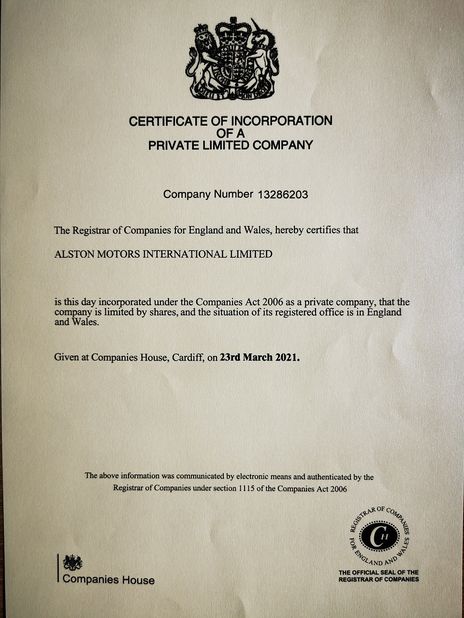
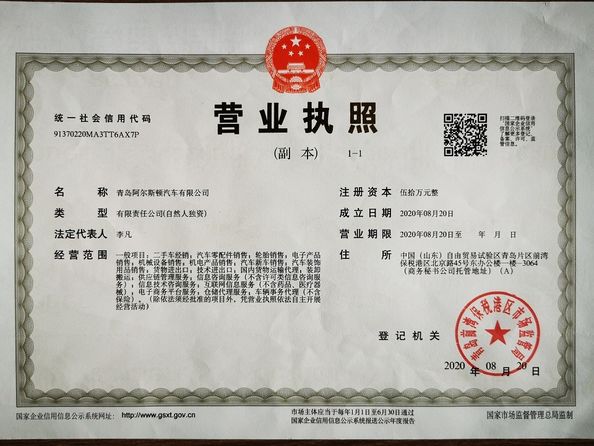
Qingdao Alston Motors suministra camiones rociadores de agua HOWO inspeccionados para proyectos de supresión de polvo en el extranjero, con controles previos al envío que cubren fugas del tanque, funcionamiento de la bomba de agua, barras rociadoras, estado del chasis, neumáticos, frenos y documentación de exportación.
6. Confirme el flujo de la bomba, las barras rociadoras, el cañón de agua y los controles
La capacidad del tanque sólo es útil cuando la bomba y el sistema de aspersión pueden suministrar agua de manera uniforme y confiable.
Un camión rociador de agua estándar puede incluir boquillas rociadoras delanteras, barras de rociadores traseras, salidas laterales, un cañón de agua y, a veces, un cañón nebulizador. Cada dispositivo consume agua a un ritmo diferente. Si el operador utiliza barras aspersoras traseras y un cañón de agua juntos, el tanque se vacía más rápido de lo esperado.
Antes de la confirmación del pedido, los compradores deben solicitar una prueba de agua real. La bomba debe extraer agua suavemente, mantener la presión y funcionar sin ruidos anormales. Las barras rociadoras deben cubrir el camino de manera uniforme. El cañón de agua debe girar, elevarse y rociar con una presión estable. Los controles de la cabina, las válvulas neumáticas, las tuberías, los sellos de goma y las juntas también deben probarse bajo presión de trabajo.
Lista de verificación de inspección de camiones con rociadores de agua
| Artículo de inspección |
Qué comprobar |
Por qué es importante |
| bomba de agua |
Caudal, presión, fugas, ruido anormal |
Confirma el rendimiento real de pulverización. |
| Barras rociadoras traseras |
Salida de agua uniforme por ambos lados |
Previene la supresión desigual del polvo |
| Cañón de agua |
Rotación, alcance, estabilidad de presión. |
Útil para arsenales y caminos mineros. |
| Deflectores internos |
Espaciado, condición de soldadura, holgura |
Reduce el chapoteo de líquidos |
| Fuga del tanque |
Fondo, costuras laterales, salida de drenaje, boca de hombre. |
Evita el costo de reparación después de la entrega. |
| Controles de cabina |
Válvulas neumáticas y funcionamiento del tablero. |
Mejora la seguridad y comodidad del conductor |
7. Equilibre las normas viales con la productividad del sitio
El depósito más grande no siempre es la mejor opción si el camión debe circular por la vía pública.
Un camión cisterna de 25 m³ puede reducir la frecuencia de recarga dentro de un sitio minero privado, pero puede resultar difícil en vías públicas, puentes, caminos de acceso estrechos y áreas urbanas. La operación con exceso de peso puede causar multas, daños a los neumáticos, sobrecalentamiento de los frenos o descarga forzada antes de que el camión llegue al lugar de trabajo.
Los compradores de importación deben confirmar las reglas locales de carga por eje, el ancho de la carretera, los límites del puente, el lado de dirección y las condiciones de acceso al sitio antes de elegir una unidad de alta capacidad. Esto es especialmente importante en los mercados de África, Medio Oriente y Asia Central, donde un camión puede moverse entre vías públicas y sitios privados de construcción o minería.
8. Compare el precio de compra con el costo operativo a largo plazo
Un tanque pequeño más barato puede resultar más caro si genera demasiados ciclos de recarga todos los días.
Por ejemplo, un camión de 10 m³ suele costar menos que uno de 20 m³. Sin embargo, si duplica el número de recargas diarias, el comprador paga más por el consumo de combustible, el desgaste de los neumáticos, el tiempo del operador, el uso de la bomba y las horas de trabajo perdidas. Para proyectos de minería y construcción de carreteras, el costo real debería incluir la productividad diaria, no sólo el precio inicial del camión.
Para una planificación de flota más amplia, los compradores pueden comparar camiones cisterna con camiones volquete, camiones tractores, camiones mezcladores y camiones de carga a través decamiones HOWO usados para exportación. Esto ayuda a encontrar el tipo de vehículo correcto para aplicaciones de minería, construcción, municipales y de logística.
9. Utilice una guía práctica de capacidad antes de realizar el pedido
Para la mayoría de los proyectos de supresión de polvo, 15 m³–20 m³ es el rango de capacidad más práctico para un camión rociador de agua HOWO 6x4.
Esta gama ofrece suficiente volumen de agua para caminos mineros, canteras, caminos de acceso a la construcción y grandes sitios de movimiento de tierras, al mismo tiempo que mantiene el camión familiar para los conductores y equipos de mantenimiento. También evita algunos de los problemas de manejo y cumplimiento de normas viales que pueden surgir con unidades de gran tamaño de 25 m³ o más.
Para la selección del camión rociador de agua, los compradores no deben comparar únicamente la capacidad del tanque. La carga del eje, la resistencia del bastidor, el estado de los frenos, el estado de los neumáticos, el lado de la dirección, el acceso a la carretera, la distancia de recarga y la durabilidad en el lugar de trabajo afectan si una unidad de 15 m³, 20 m³ o 25 m³ es práctica para el trabajo diario de supresión de polvo.
10. Confirmar la preparación de exportación antes del envío
Un camión rociador de agua debe probarse con agua real antes de su entrega en puerto, no juzgarse únicamente por el repintado.
Antes del envío, los compradores deben solicitar fotografías o videos de inspección que muestren las pruebas de la bomba de agua, el funcionamiento de la barra rociadora, el movimiento del cañón de agua, la inspección de fugas del tanque, el estado de los neumáticos, el estado del chasis, la revisión de los frenos, los controles de la cabina y la preparación del puerto de carga. Un exterior limpio ayuda a la presentación, pero no puede demostrar que la bomba, las válvulas, el tanque o el sistema de tuberías sean confiables.
Para obtener detalles sobre el flujo de trabajo de remodelación, los estándares de inspección y la logística internacional, visiteQingdao Alston Motors inspección y apoyo a la exportación. Para confirmar la capacidad del tanque, el lado de dirección, las unidades disponibles, el método de envío y el costo del puerto de destino, puedeSolicite una cotización de camión cisterna HOWO.
Preguntas frecuentes
¿Cuál es la mejor capacidad del tanque para la supresión de polvo en minería?
Para la mayoría de los caminos de minas y canteras, un camión rociador de agua HOWO 6x4 de 15 m³ a 20 m³ es la opción más equilibrada. Proporciona un volumen de trabajo útil y al mismo tiempo mantiene la carga del chasis, el frenado y la tensión de los neumáticos dentro de un rango de trabajo pesado más seguro.
¿Puede un camión HOWO 4x2 transportar un tanque de agua de 20 m³?
No. Una carga útil de agua de 20 m³ pesa alrededor de 20 toneladas antes de sumar el peso del cuerpo del tanque y del equipo. Un chasis 4x2 normalmente es adecuado para tanques de 8 m³ a 12 m³, mientras que para tanques más grandes se deben utilizar chasis 6x4 u 8x4.
¿Es siempre mejor un depósito de agua de 25 m³ que uno de 20 m³?
No siempre. Un tanque de 25 m³ reduce la frecuencia de recarga, pero también aumenta el peso, el radio de giro, la carga de los neumáticos, la demanda de frenado y el riesgo de cumplimiento de la normativa vial. Es más adecuado para grandes sitios mineros privados que la operación mixta en caminos públicos.
¿Qué se debe comprobar antes de comprar un camión cisterna HOWO reacondicionado?
Los compradores deben revisar el motor, la caja de cambios, el bastidor del chasis, el eje trasero, los neumáticos, los frenos, las fugas del tanque, la bomba de agua, las barras rociadoras, el cañón de agua, las válvulas, las tuberías y los controles de la cabina. Una prueba de agua real es más útil que las fotografías de apariencia solas.
¿Qué método de envío es adecuado para los camiones rociadores de agua HOWO?
La mayoría de los camiones rociadores de agua HOWO se envían en buques Ro-Ro o buques a granel porque el cuerpo del tanque y la altura del vehículo no son adecuados para contenedores estándar. Los compradores deben confirmar las fotografías de carga, las condiciones de amarre, las reglas de nivel de combustible, la protección de la batería y los documentos de exportación antes de la salida.
Escrito por:Equipo editorial de Alston Motors
Revisado por:Equipo técnico y de exportación
Compañía:Qingdao Alston Motors Co., Ltd.
Acerca del equipo editorial de Alston Motors:
El equipo editorial de Alston Motors comparte conocimientos prácticos sobre camiones HOWO, semirremolques, vehículos comerciales, automóviles usados y soluciones de exportación reacondicionados para África y otros mercados en desarrollo. El contenido se basa en la experiencia de la empresa en inspección de vehículos, reacondicionamiento, coordinación de exportaciones, soporte de repuestos y servicio al cliente para compradores extranjeros.

 ¡Su mensaje debe tener entre 20 y 3.000 caracteres!
 Spanish